Get your free personalized podcast brief
We scan new podcasts and send you the top 5 insights daily.
Early on, two traders at Merrill Lynch relentlessly criticized Bloomberg's product. Rather than seeing this as a nuisance, Bloomberg treated them as invaluable collaborators. Their "nitpicking" provided a direct, real-time feedback loop that was crucial for building a product that met market needs.

Related Insights
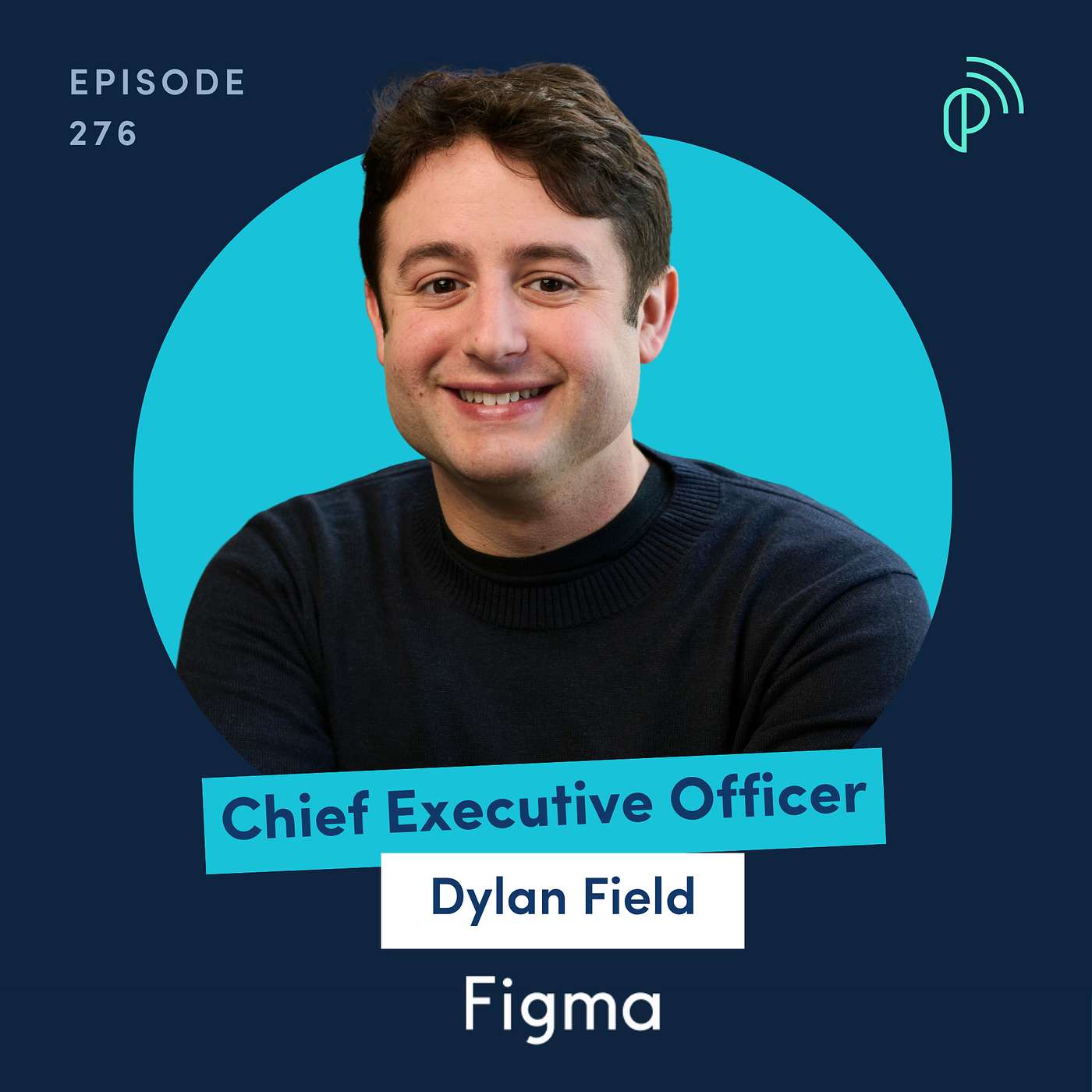
In Figma's early days, CEO Dylan Field actively sought out his idols in the design community via cold emails. He didn't ask for praise; he asked them to critique the product harshly. This direct, high-quality feedback was a 'blessing' that accelerated improvement and built crucial industry relationships.
Successful founders treat investors as more than just a source of capital. They actively listen to investor 'chatter' to gain insights on competitors, commercial viability, and market trends. This feedback loop acts as a form of human-powered AI, helping to continuously learn and make key business adjustments.

Your first customers require obsessive, daily interaction to ensure the product works for them. Astronomer's founder spoke with their first managed Airflow customer four times a day for two months. This grueling process is essential for ironing out roadblocks and achieving product-market fit.

To launch his company, Bloomberg sold his terminal to Merrill Lynch with a firm six-month delivery promise, despite the product being purely conceptual. This high-stakes commitment created immense pressure and focus, forcing his team to build and deliver under a non-negotiable deadline.
A consultant's favorite clients are the ones who are detail-oriented and constantly ask questions. This behavior, often seen as challenging, is actually a strong indicator of passion, system usage, and a desire to improve—hallmarks of a successful partnership.
Successful entrepreneurs view all customer feedback, positive or negative, as a valuable gift of data. This information shouldn't be taken personally but used strategically to refine the product, messaging, and even the company's core focus. This responsiveness is key to evolving and finding true product-market fit in a complex industry.

True innovation requires building features customers don't yet know to ask for. Bloomberg's success came from providing functionality users hadn't imagined was possible with computers, rather than just reacting to their explicit requests.

Figma's CEO Dylan Field now realizes that a user sending a 14-page feedback document after a buggy, non-performant product demo was an unmistakable sign of strong demand. Intense engagement with a flawed product indicates a deep user need that founders should act on decisively.

Counterintuitively, the best early customers are the most demanding. Their rigorous feedback is a gift that improves your product for everyone. Their reputation also serves as a powerful market signal, as industry peers know how good they are and will follow their lead.

When building a collaborative product like a fraud network, manage the expectation that all customer feedback will be implemented. Position early customers as 'advisory members' of the system. This values their input while maintaining your strategic control to balance their requests against the broader product vision and business needs.
