Get your free personalized podcast brief
We scan new podcasts and send you the top 5 insights daily.
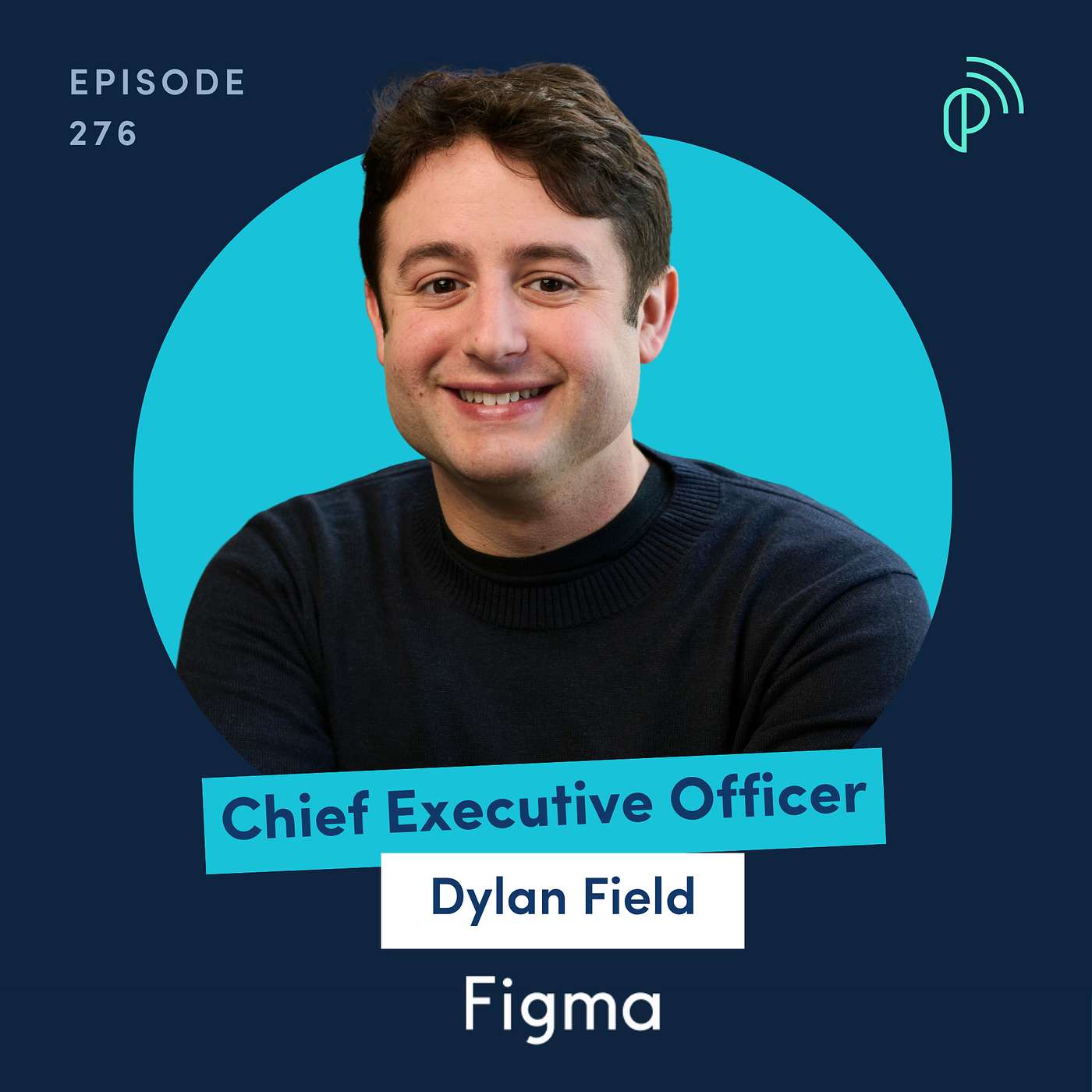
In Figma's early days, CEO Dylan Field actively sought out his idols in the design community via cold emails. He didn't ask for praise; he asked them to critique the product harshly. This direct, high-quality feedback was a 'blessing' that accelerated improvement and built crucial industry relationships.
Related Insights
Figma's CEO reflects that despite clear signals of user demand, like a 14-page feature request after a buggy demo, he was too nervous to hire aggressively. This slowed their progress unnecessarily in the early years, a mistake he advises other founders to avoid.

Figma's expansion into multiple products (FigJam, Slides) wasn't based on abstract strategy but on observing users pushing the main design tool to its limits for unintended use cases. Identifying these 'hacks' revealed validated market needs for dedicated products.
Initial data suggested the market for design tools was too small to build a large business. Figma's founders bet on the trend that design was becoming a key business differentiator, which would force the market to expand. They focused on building for the trend, not the existing TAM.

A month before launch, Figma's whiteboarding tool, FigJam, felt undifferentiated. In a high-stakes meeting with the team and board, they pivoted strategy to focus entirely on making it 'fun.' This led to features like cursor high-fives that gave the product its soul and market distinction.
Early user research showed designers did not want a collaborative, multiplayer tool. However, Figma's web-based architecture made a single-player experience technically terrible (e.g., tabs constantly reloading). They were forced by the technology to build multiplayer functionality, which ultimately became their key differentiator, proving the platform's needs can override initial user requests.

Early versions of Figma failed to gain traction because designers, its target users, fundamentally didn't trust the tool's own subpar visual design. This meta-problem highlights that for a tool to be credible to its expert users, its own execution must embody the principles it espouses. A redesign was the key to unlocking user trust and adoption.
Monologue's creator received an immediate, unfiltered feedback loop from his team at the Every incubator, exemplified by a colleague's bug report: "immediate churn." This concentrated, high-quality user base allowed him to rapidly build a bulletproof product, an advantage unavailable to most solo founders.

To gain global user insights, Dylan Field would organize informal Figma meetups whenever he traveled for personal reasons. This low-cost, high-impact approach provided crucial one-on-one context about regional needs, like localization in Southeast Asia, that group settings often miss.
Figma learned that removing issues preventing users from adopting the product was as important as adding new features. They systematically tackled these blockers—often table stakes features—and saw a direct, measurable improvement in retention and activation after fixing each one.
Figma's market initially seemed too small to attract major VC interest or intense competition, giving them space to build a defensible product. Founders can gain a significant advantage by working in overlooked spaces, provided they have genuine passion to sustain them for a decade or more.