Get your free personalized podcast brief
We scan new podcasts and send you the top 5 insights daily.
Brett Taylor argues that focusing solely on rapid growth can lead to 'fragile ARR.' The better metric is 'earned ARR,' which reflects sticky, high-quality revenue from satisfied customers and indicates a more durable business with a real moat.

Related Insights
The popular pursuit of massive user scale is often a trap. For bootstrapped SaaS, a sustainable, multi-million dollar business can be built on a few hundred happy, high-paying customers. This focus reduces support load, churn, and stress, creating a more resilient company.

The 'MQL death cycle' is over. Forward-thinking marketing organizations should align around Net Annual Recurring Revenue (Net ARR) as their ultimate measure of success. This metric, which combines new customer acquisition with retention, forces a focus on the entire customer lifecycle and proves marketing's contribution to sustainable business growth.
The true indicator of Product-Market Fit isn't how fast you can sign up new users, but how effectively you can retain them. High growth with high churn is a false signal that leads to a plateau, not compounding growth.

Focus on retaining and expanding existing customer revenue (NRR) over acquiring new logos. An NRR above 120% creates compounding growth, while below 75% signals the business is dying. This metric is a truer indicator of company health than top-line growth alone.

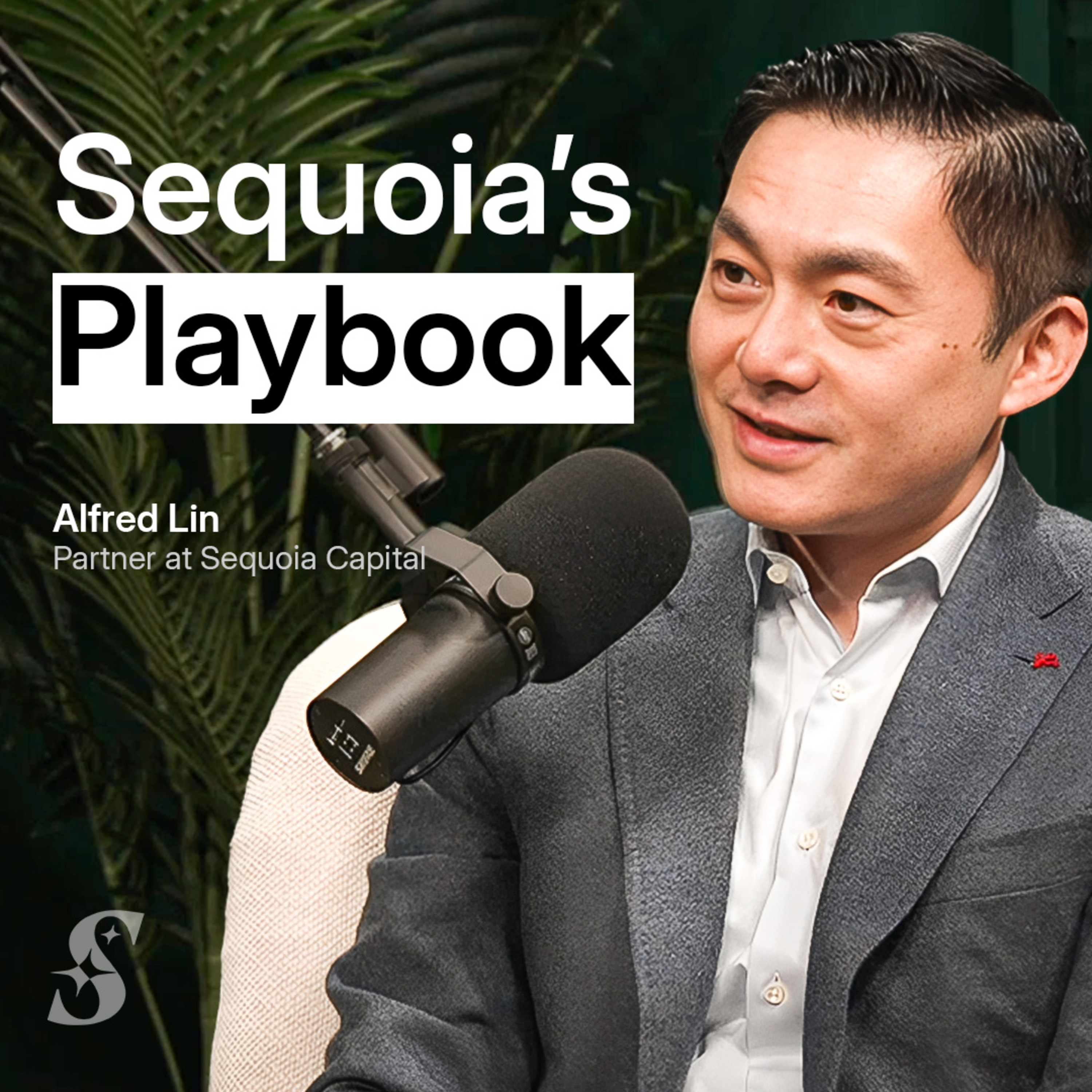
Lin warns that much of today's AI revenue is 'experimental,' where customers test solutions without long-term commitment. He calls annualizing this pilot revenue 'a joke.' He advises founders to prioritize slower, high-quality, high-retention revenue over fast, low-quality growth that will eventually churn.
Investors and acquirers pay premiums for predictable revenue, which comes from retaining and upselling existing customers. This "expansion revenue" is a far greater value multiplier than simply acquiring new customers, a metric most founders wrongly prioritize.

With Seed-to-A conversion below 20%, VCs are intensely vetting revenue quality. They are wary of "vibe ARR" inflated by pilots, credits, or non-recurring fees. Founders must demonstrate true, sticky recurring revenue with high customer loyalty and switching costs to secure a Series A.

Founder Sam Darawish argues that a healthy, moderate growth rate (25-30%) is often better than chasing venture-backed hyper-growth. He believes rapid growth can lead to taking on non-ICP customers, which pulls the product in multiple directions, wastes resources, and ultimately thins the team's focus.

The strategy for scaling a business evolves. The first phase is typically dominated by maximizing acquisition volume—doing more of what works. Once you hit a ceiling (e.g., market saturation or physical capacity), the next level of growth comes from compounding. The primary mission must shift to retention and ensuring customers never leave.

While impressive, hypergrowth from zero to $100M+ ARR can be a red flag. The mechanics enabling such speed, like low-friction monthly subscriptions, often correlate with low switching costs, weak product depth, and poor long-term retention, resembling consumer apps more than enterprise SaaS.
