Get your free personalized podcast brief
We scan new podcasts and send you the top 5 insights daily.
The 'MQL death cycle' is over. Forward-thinking marketing organizations should align around Net Annual Recurring Revenue (Net ARR) as their ultimate measure of success. This metric, which combines new customer acquisition with retention, forces a focus on the entire customer lifecycle and proves marketing's contribution to sustainable business growth.

Related Insights
A more effective mental model than PLG vs. SLG is analyzing which activities create new demand versus which ones harvest existing demand. Both sales and product can serve either function. Creating demand is always the harder, more critical challenge for any revenue engine.

Due to signal loss from cookie deprecation, no single model like MTA or MMM is sufficient. The new gold standard is using all available algorithms together in a machine learning framework, allowing them to influence each other for a more accurate ROI picture.

Instead of viewing them as separate efforts, businesses should link customer retention and acquisition. By unifying data to better re-engage existing customers via owned channels like email and SMS, brands increase lifetime value. This, in turn, reduces the long-term pressure and cost associated with acquiring entirely new customers.

Everyone obsesses over Net Revenue Retention (NRR), but Gross Revenue Retention (GRR) is the real indicator of product health. GRR tells you if customers like your product enough to stay, period. A low GRR signals a core problem that expansion revenue in NRR might be masking.

The current AI hype cycle can create misleading top-of-funnel metrics. The only companies that will survive are those demonstrating strong, above-benchmark user and revenue retention. It has become the ultimate litmus test for whether a product provides real, lasting value beyond the initial curiosity.

Escape the trap of chasing top-line revenue. Instead, make contribution margin (revenue minus COGS, ad spend, and discounts) your primary success metric. This provides a truer picture of business health and aligns the entire organization around profitable, sustainable growth rather than vanity metrics.
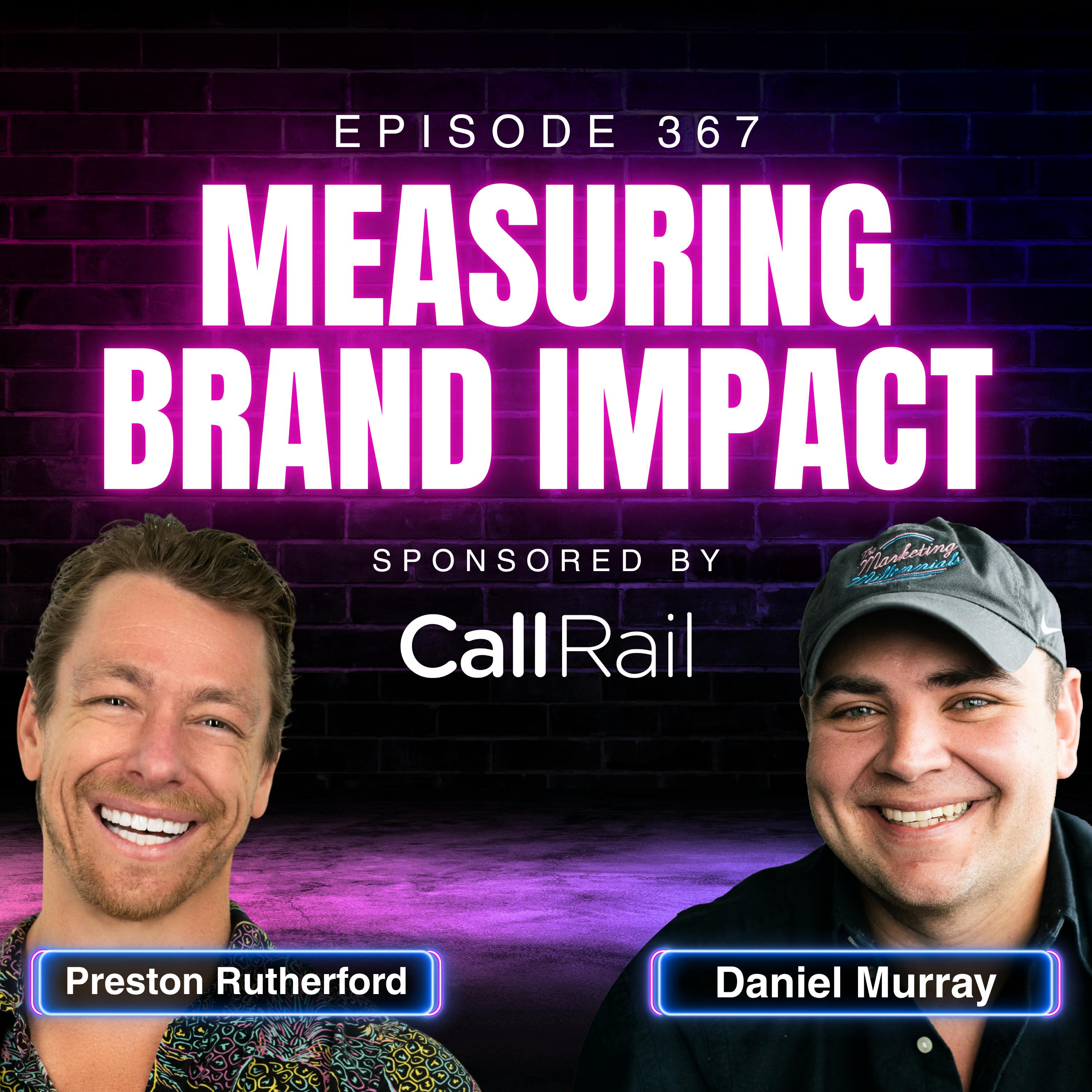
Shift the mindset from a brand vs. performance dichotomy. All marketing should be measured for performance. For brand initiatives, use metrics like branded search volume per dollar spent to quantify impact and tie "fluffy" activities to tangible growth outcomes.
Position marketing as the engine for future quarters' growth, while sales focuses on closing current-quarter deals. This reframes marketing's long-term investments (like brand building) as essential for sustainable revenue, justifying budgets that don't show immediate, direct ROI to a CFO.
To value high-growth, PLG-driven AI companies, segment the user base. The low-end cohort often has extremely high churn (e.g., 60-80%) and should be mentally modeled as a marketing expense for brand awareness. The company's real value is in the high-end cohorts, which exhibit strong net dollar retention (140%+) and enterprise stickiness.

The team moves beyond surface-level KPIs like open and click rates. They measure success by its contribution to broader business objectives: generating more value with less cost and investment. This focus on operational efficiency ensures marketing activities are directly tied to tangible financial outcomes and long-term customer value.