Get your free personalized podcast brief
We scan new podcasts and send you the top 5 insights daily.
Engineering excellence is a system of five interconnected competencies: building high-performing teams, setting actionable strategy, driving a relentless execution cadence, actively reducing organizational toil, and intentionally building a strong culture of values and behaviors.

Related Insights
Engineering leadership involves four distinct skills: Technical, Operations, Product, and Strategy. Since no single person excels at all four, organizations should build complementary leadership teams, pairing a visionary CTO with a process-driven VP of Engineering.

Simply hiring superstar "Galacticos" is an ineffective team-building strategy. A successful AI team requires a deliberate mix of three archetypes: visionaries who set direction, rigorous executors who ship product, and social "glue" who maintain team cohesion and morale.

Engineers moving into leadership shouldn't see it as abandoning their technical identity. Instead, they should reframe their role as "elevating engineering." They can stay connected to their roots by using their experience to constructively challenge their teams, brainstorm solutions, and help others solve problems faster and more effectively.

Effective engineering leadership is like farming: growth isn't achieved by demanding it from the plants. Leaders should obsess over inputs—clear goals, sound strategy, team structure, and operational rigor—to create the conditions for great engineering to happen naturally.

To prevent management from becoming a detached layer, Arista ensures its leaders are "coach players." This means even senior executives, like the CTO and founder, still contribute by coding. This "leading by example" approach proves to employees that management is connected to the core work, reinforcing a strong, authentic engineering culture.

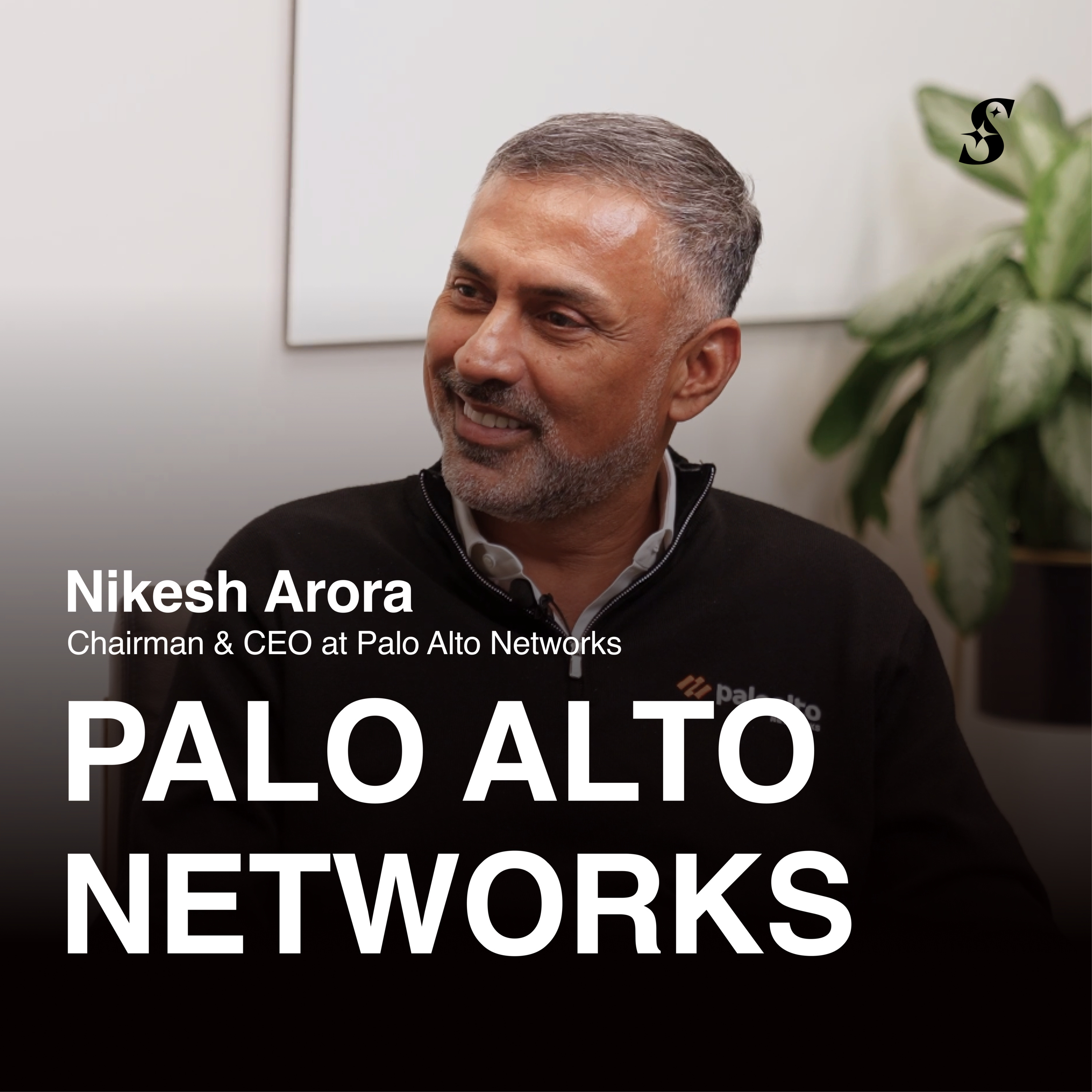
Nikesh Arora uses a framework that analogizes team roles to home construction. 'Architects' design the vision, 'Builders' execute it, and 'Maintainers' run it. Effective leaders recognize that individuals excel in different areas and build teams that combine these complementary skills, rather than expecting one person to be all three.
Better products are a byproduct of a better team environment. A leader's primary job is not to work on the product, but to cultivate the people and the system they work in—improving their thinking, decision-making, and collaboration.
In a technical environment, the best product leaders aren't the top domain experts. Their critical skill is managing, uplifting, and guiding a team of A-players. They act as a catalyst, extracting the collective expertise of the team to achieve the final goal.

A high-performing team needs three profiles: a few 'Visionaries' for ideas, a majority of 'Implementers' to build, and crucial 'Closers' to push projects past the finish line. Lacking Closers results in numerous projects stuck at 90% completion, delivering no value.

Dr. Dispenza's formula for a high-performing team rests on three pillars: a shared mission, exceptional competence in one's role, and personal accountability. When all three are present, trust is built and excellence becomes the standard. A deficiency in any one area makes an individual stand out negatively.
