Get your free personalized podcast brief
We scan new podcasts and send you the top 5 insights daily.
Founders are naturally dreamers, but execution requires ruthless prioritizing. The most critical, and difficult, role is saying 'no' to shiny objects and good ideas to maintain focus. This clarity is more important than simply working long hours.

Related Insights
Entrepreneurs often prefer being the indispensable "most valuable player" because it feels good and gives them control. However, this ego-driven desire makes the business less valuable and prevents it from scaling. To truly grow, a founder must transition from the court to the owner's box.

A founder's role isn't a linear progression away from the details. While you must step back to empower a team, you also need to periodically dive back into 'founder mode'—obsessively focusing on details—to stay connected and guide the company.
Founders often equate constant hustle with progress, saying yes to every opportunity. This leads to burnout. The critical mindset shift is recognizing that every professional "yes" is an implicit "no" to personal life. True success can mean choosing less income to regain time, a decision that can change a business's trajectory.

The CEO warns that a founder's most cherished personal traits—like a relentless work ethic—can become the very hindrances that prevent both them and their company from scaling. He advises actively challenging these self-perceptions to enable growth.

Saying "no" to clients, extra requests, and bad-fit opportunities is not about being difficult; it's a strategic necessity. It protects your time, prevents burnout, sets clear boundaries, and allows you to focus on what truly matters for growth.

True focus isn’t just concentrating on a task. It’s the discipline to reject genuinely good, appealing ideas because they distract from the single great idea that matters most. This represents a higher level of strategic sacrifice for founders.

At scale, the biggest threat isn't a lack of opportunity but mental overload. The key is to treat your focus as a finite resource and actively protect it. This means becoming comfortable saying "I'm done for today" and disappointing people, realizing that protecting your mind is more strategic than satisfying every request.

The very traits that help a founder succeed initially—doing everything themselves, obsessing over details—become bottlenecks to growth. To scale, founders must abandon the tools that got them started and adopt new ones like delegation and trust.

A critical inflection point for an entrepreneurial founder is deciding whether to be a 'projects guy' focused on individual deals or a 'business builder' focused on process, structure, and vision. These two paths are often in direct conflict, and choosing one is essential for scaling.
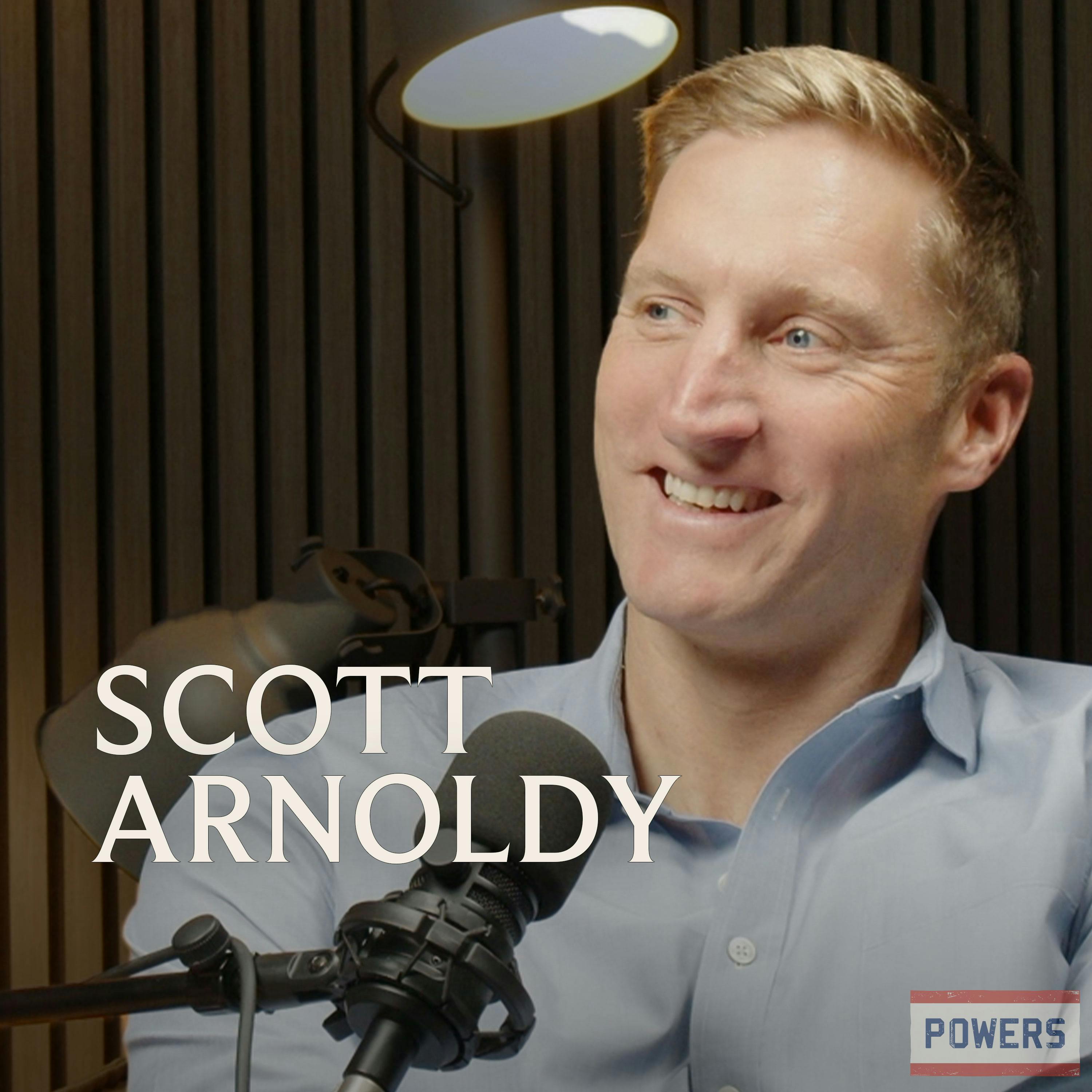
Borrowing a quote from Shopify's CEO, Mike Cannon-Brookes emphasizes that a founder's key responsibility is to counteract the natural decline in ambition that occurs as a company grows. They must constantly push the organization to remain bold and hungry.