Get your free personalized podcast brief
We scan new podcasts and send you the top 5 insights daily.
True focus isn’t just concentrating on a task. It’s the discipline to reject genuinely good, appealing ideas because they distract from the single great idea that matters most. This represents a higher level of strategic sacrifice for founders.

Related Insights
Startups often get stuck trying to do many 'important' things at once without achieving takeoff. A powerful mental model for growth should provide a unified system that clarifies the single most important action to take at any moment. This shifts the team from unfocused, frantic activity to singular, effective focus.
The sacrifice required for a huge, long-term goal isn't just the initial hard work. It's the continuous discipline of saying "no" to new, exciting ideas and ventures that will inevitably arise. Committing to one big thing means giving up participation in many other potentially interesting things.

Entrepreneurs often jump between projects, fearing their current one won't succeed in the long run. This is a fatal trap. According to Sam Parr, true focus, while difficult, is the necessary price for an outsized outcome and increases the likelihood of success. Diversification is for preserving wealth, not creating it.

Instead of chasing trends or pivoting every few weeks, founders should focus on a singular mission that stems from their unique expertise and conviction. This approach builds durable, meaningful companies rather than simply chasing valuations.

The struggle to eliminate 'good' ideas, features, or customer segments is often rooted in a founder's ego and their grand vision. True high-growth strategy requires sacrificing that expansive vision for the simple, repeatable system that the market is actually pulling for.
The true cost of becoming great at one thing isn't the work, but the discipline to ignore all other 'shiny objects.' Success comes from the paths untaken. The fear of missing out (FOMO) is the price of focus.
In an era defined by notifications and multitasking, a founder's ability to block out all distractions for extended periods is a profound competitive advantage. This deep, rigorous focus allows them to solve complex problems at a level that is increasingly rare and valuable.
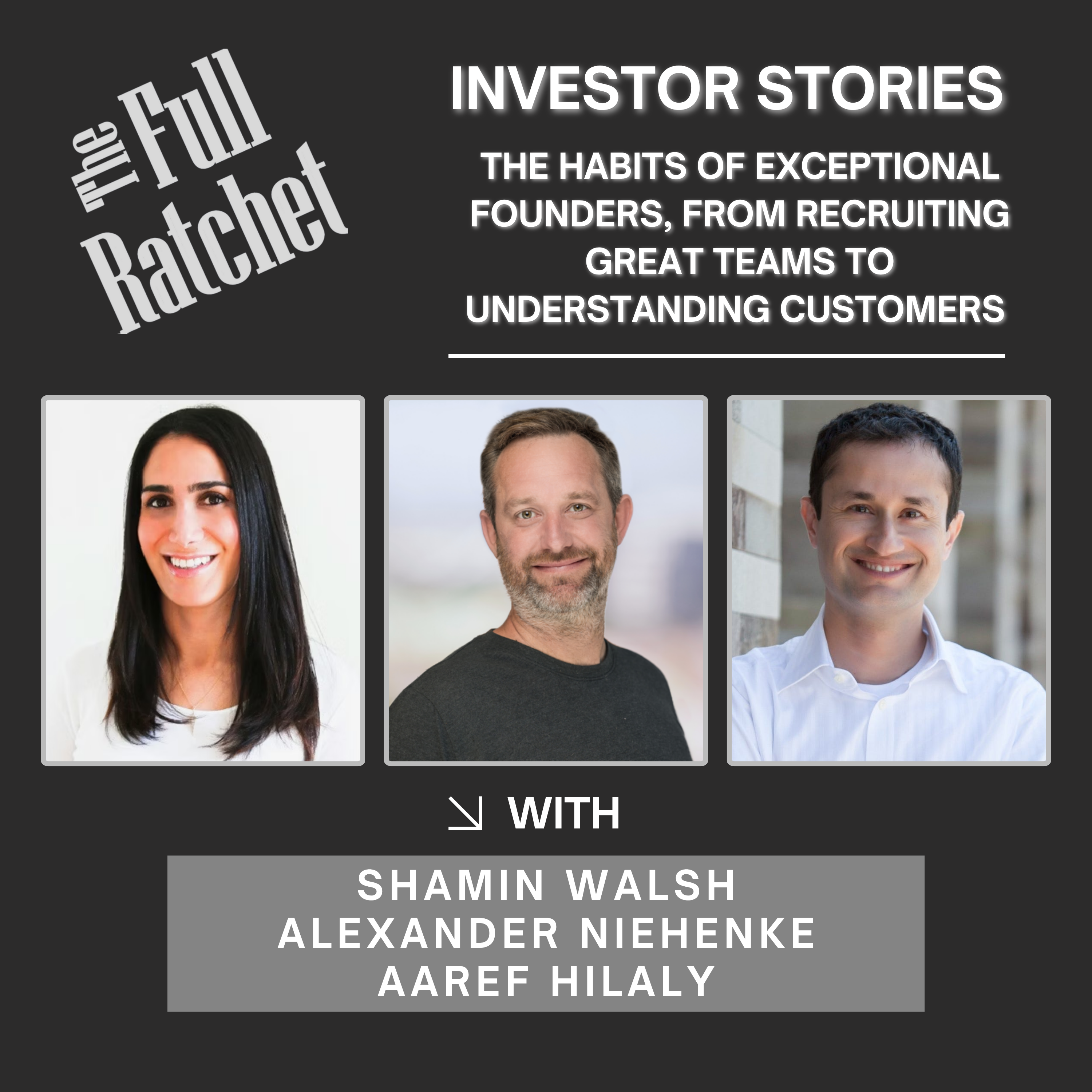
Amidst endless distractions like competitors, funding struggles, or negative press, the most effective focusing mechanism is to constantly return to one question: 'Why do we exist for our customer?' This core purpose should guide all strategic decisions and help filter out noise that doesn't serve the end user.

At scale, the biggest threat isn't a lack of opportunity but mental overload. The key is to treat your focus as a finite resource and actively protect it. This means becoming comfortable saying "I'm done for today" and disappointing people, realizing that protecting your mind is more strategic than satisfying every request.

True generosity is not saying 'yes' to every request. It's strategically saying 'no' to minor commitments to protect the focus required for significant, impactful projects. The instant gratification of small 'yeses' is a selfish trap that prevents you from delivering your best work to the world.
