Get your free personalized podcast brief
We scan new podcasts and send you the top 5 insights daily.
High-profile collaborations are viewed not as direct profit centers ('pennies'), but as a powerful engine for 'free-earned brand and media.' This approach builds brand reach more economically than funding marketing purely through sales revenue.

Related Insights
For high-growth brands, the value of partnering with major figures like athletes isn't immediate sales. The real return is in access and the 'co-sign' effect. One partnership can unlock several other valuable opportunities, making the investment worthwhile through indirect, long-term benefits.

With customer acquisition costs (CAC) on platforms like Meta and TikTok rising exponentially, brands will increasingly collaborate. One brand will sponsor a free trial for another's product as a more efficient way to acquire new users, creating a new ecosystem of shared customer acquisition.

When a mass-market brand like Hanes partners with a niche retailer like Urban Outfitters on a capsule collection, the primary goal isn't sales volume. The collaboration's true value lies in generating marketing buzz, cultural relevance, and "brand heat," which is often more valuable than direct revenue.

Brands maximize the ROI of expensive activations like those at the Super Bowl by reframing them as 'production days.' Instead of a one-off event, they become content engines for social media and creative campaigns, using influencers and programming to reach a much broader audience.

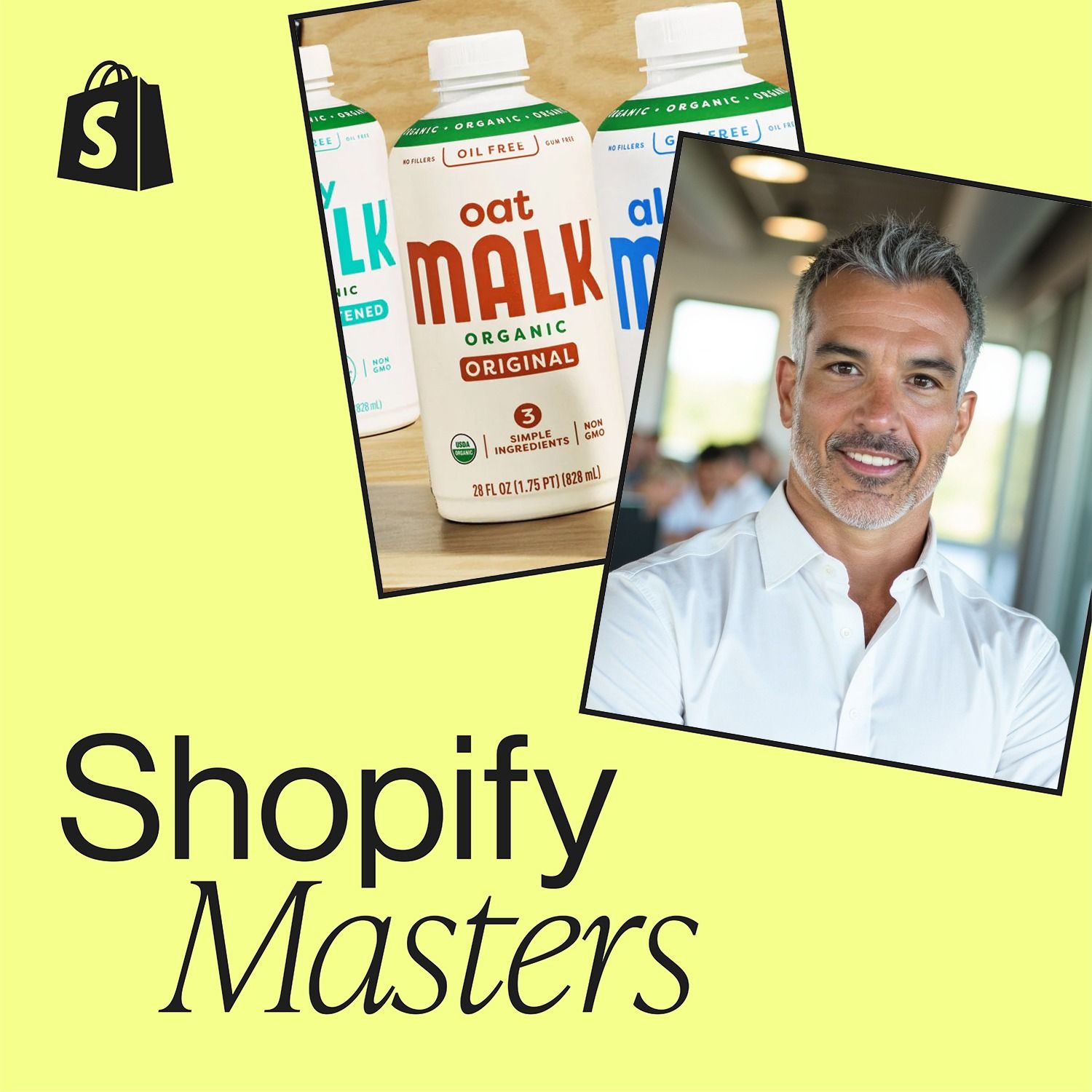
Malk's Erewhon smoothie partnership is a dual-purpose initiative. It generates direct revenue from product sales within Erewhon stores, providing a tangible ROI floor. This sales component de-risks the harder-to-measure brand awareness benefit from social media fame, making "gut feel" marketing decisions easier to justify and assess.
Leading marketers confidently invest in high-cost, low-measurability channels like billboards and physical books. They understand that reaching a concentrated target audience builds brand in a way that can't be captured by direct attribution but drives long-term pipeline.

Instead of viewing brand visibility and white-label distribution as a conflict, see them as mutually reinforcing. A strong brand helps secure major partners, and the scale from those partnerships strengthens the core product, which ultimately enhances brand recognition and equity.

Instead of running their own ads, an influencer can propose a deal to create ad content for a partner brand. The brand funds the ad spend, and the influencer accepts a reduced commission (e.g., 20% instead of 40%) on sales. This generates risk-free revenue and free brand exposure for the influencer.

Chipotle's "buy-one-get-one" deal for customers wearing NHL jerseys is an "adternative"—a clever stunt or promotion that costs less than a traditional ad campaign but generates significant free press and social media buzz (earned media).

True Religion's CMO views marketing through a simple lens: the collaboration with a celebrity or influencer is the "what"—the core content of the campaign. The media strategy, including paid spend and the partner's own channels, is the "how"—the distribution engine. One cannot be effective without the other.