Get your free personalized podcast brief
We scan new podcasts and send you the top 5 insights daily.
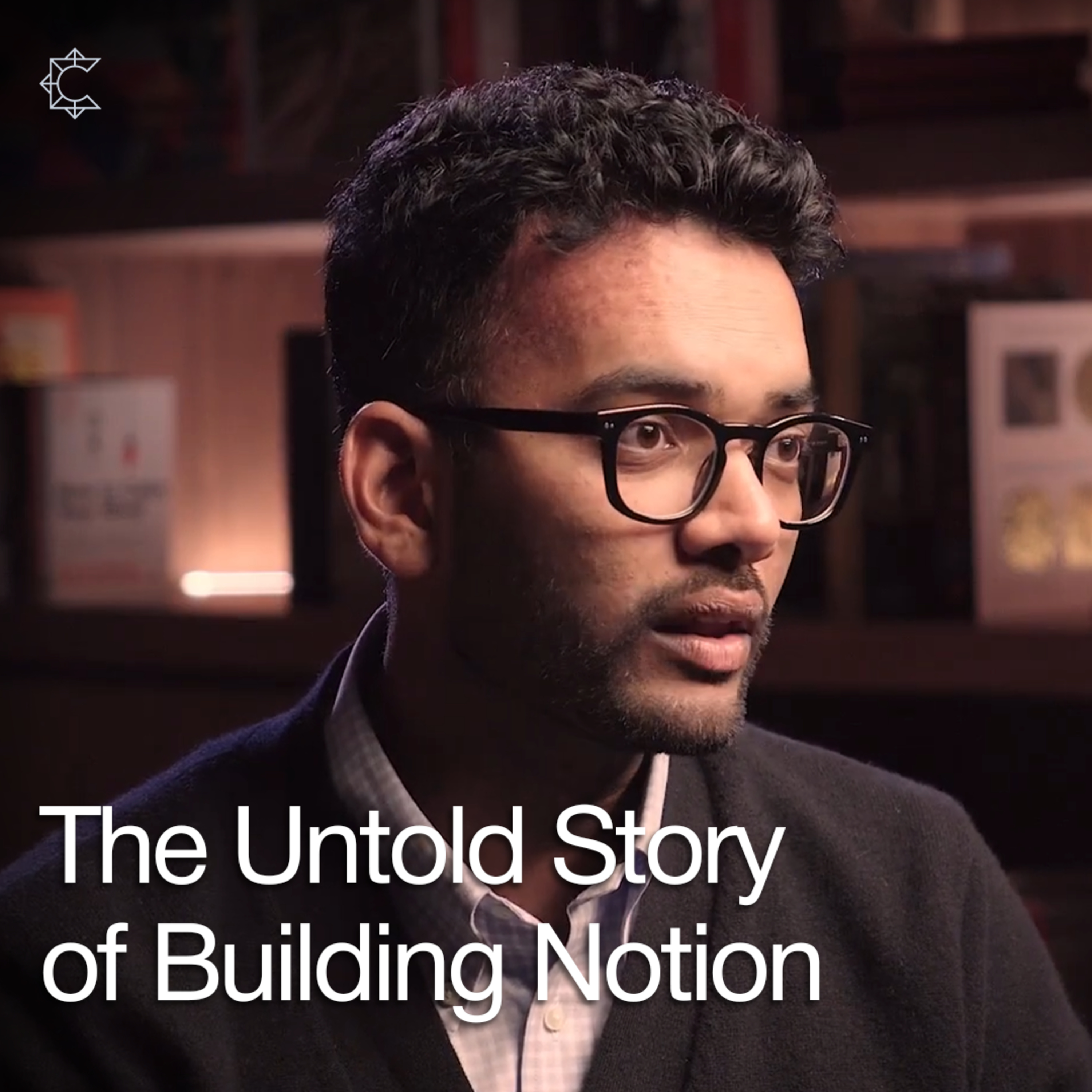
True productivity doesn't come from copying a guru's setup or using a third-party template. The most effective approach is to use flexible tools like Notion as a platform to build a completely personalized system that caters to your unique thought processes, goals, and daily workflow.

Related Insights
Not all hours are equal; a 9 AM Monday slot might be worth $500/hour in focused output, while a 4 PM Friday slot is worth $10. Identify your peak performance times for deep, creative work and relegate low-cognitive tasks like watching informational videos to low-energy periods like a commute.

Short-term aids like timers or caffeine are merely patches. The true aim is the "upgrade loop": using systems to build habits that permanently alter your identity. Ultimate success is when you no longer need the hack because you've become a person who is naturally focused and disciplined.

Most productivity systems are based on Industrial Revolution models that assume constant, machine-like output. A more humane approach involves first understanding your personal energy ebbs and flows and then building a compassionate system that aligns with your body's reality.

Systems—repeatable processes that save time, energy, and stress—are more reliable than willpower, which fades. Instead of just setting goals, build systems that make achieving them the default outcome, even when motivation is low.
To move beyond static playbooks, treat your team's ways of working (e.g., meetings, frameworks) as a product. Define the problem they solve, for whom, and what success looks like. This approach allows for public reflection and iterative improvement based on whether the process is achieving its goal.

To truly leverage AI, professionals must change their approach to tasks. Instead of automatically assuming personal responsibility, the first question should be whether an AI tool can perform it. This proactive mindset shift unlocks significant productivity gains by automating routine work.

To overcome the paralysis of perfectionism, create systems that force action. Use techniques like 'time boxing' with hard deadlines, creating public accountability by pre-announcing launches, and generating financial stakes by pre-selling offers. These functions make backing out more difficult and uncomfortable than moving forward.

Productive teams need to schedule three distinct types of time. Beyond solo deep work and structured meetings, they must carve out 'fluid collaboration' blocks. These are for unstructured, creative work like brainstorming or pair programming, which are distinct from formal, agenda-led meetings and crucial for innovation.
Frame mundane life-maintenance tasks like eating, cleaning, and laundry as "humaning." By systematically outsourcing this work, you eliminate distractions from your primary goals. This allows you to create an environment of extreme focus, effectively doubling your productive output.

Notion’s initial abstract vision of letting users build their own software failed to gain traction. The key insight was that users don't want to build tools; they want to accomplish tasks. By providing a familiar "wedge" like note-taking, Notion got into users' workflows before revealing its deeper, more powerful capabilities.