Get your free personalized podcast brief
We scan new podcasts and send you the top 5 insights daily.
An analyst argues that manufacturing a car is a solved problem, whereas building a humanoid robot involves replicating millions of years of biological evolution in hands, feet, and eyes. This represents a far greater engineering challenge with a less clear commercial ROI compared to Tesla's core automotive business.

Related Insights
Contrary to popular belief, China is not ahead in the humanoid race. The current bottleneck is solving general-purpose AI and systems integration, not manufacturing at scale. In this domain, US companies are leading. Manufacturing humanoids is closer to consumer electronics than cars, mitigating China's automotive-style manufacturing advantages.

Elon Musk's Optimus project is predicted to become history's most successful product, overshadowing Tesla's automotive achievements. This suggests investors should evaluate Tesla as a robotics and AI company, not just a car manufacturer, for long-term growth.

Unlike cars, which gather data passively, humanoid robots need active training. To solve this, Musk's strategy is to build a physical 'academy' of 10,000-30,000 Optimus robots performing self-play on various tasks, using this real-world data to close the 'sim-to-real' gap from millions of simulated robots.
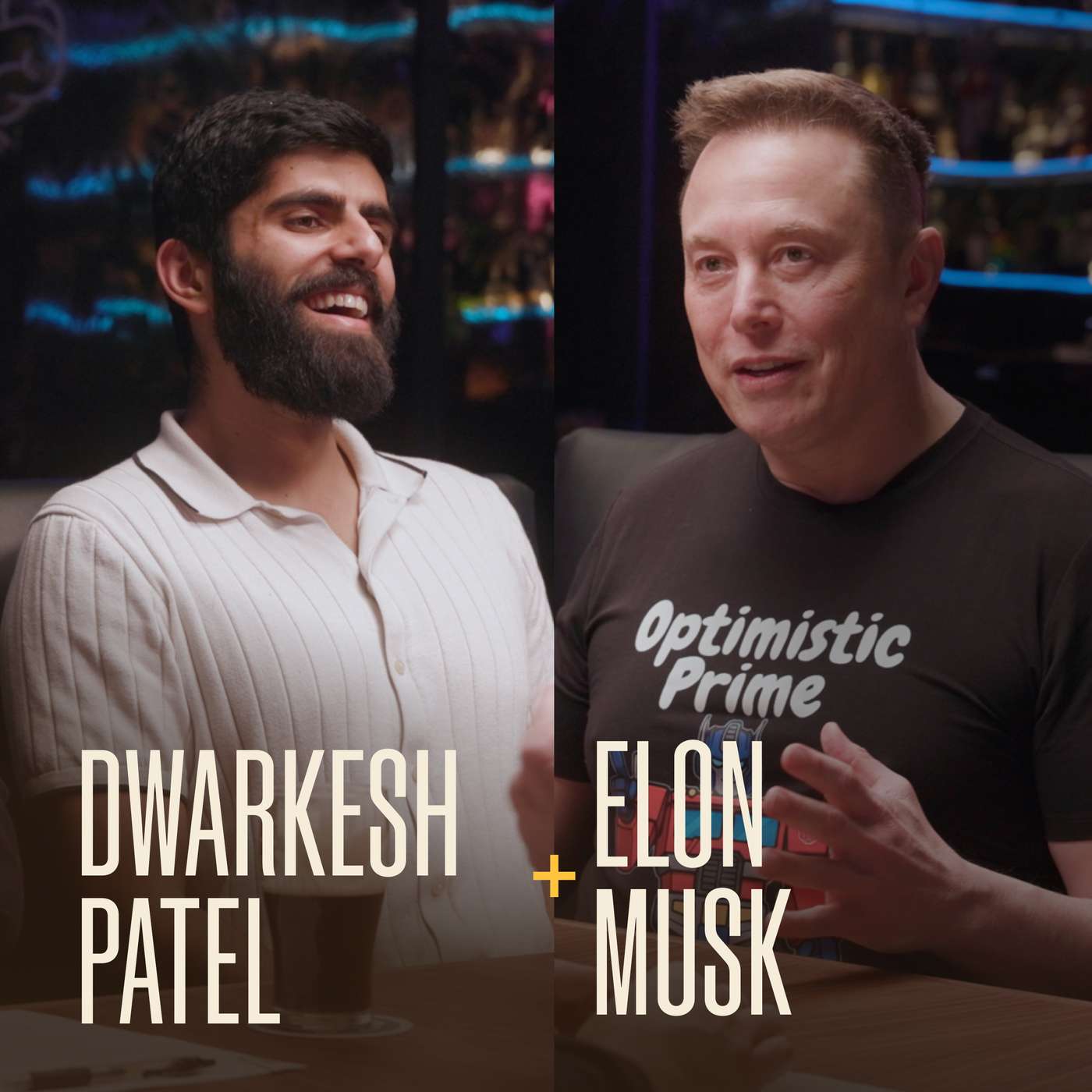
The decision to end production of iconic Tesla models is a strategic move to retool manufacturing capacity for Optimus humanoid robots. This action supports Musk's larger vision of a "real-world AI flywheel" integrating data and hardware from Tesla, SpaceX, and xAI.

The adoption of humanoid robots will mirror that of autonomous vehicles: focus on achievable, single-task applications first. Instead of a complex, general-purpose home robot, the market will first embrace robots trained for specific, repeatable industrial tasks like warehouse logistics or shelf stocking.

Whenever Tesla's core automotive business faces headwinds—like falling market share or intense competition—Elon Musk introduces a new, futuristic narrative, such as the Optimus robot. This strategy aims to reposition the company as an AI leader and distract investors from underwhelming auto industry fundamentals.

Self-driving cars, a 20-year journey so far, are relatively simple robots: metal boxes on 2D surfaces designed *not* to touch things. General-purpose robots operate in complex 3D environments with the primary goal of *touching* and manipulating objects. This highlights the immense, often underestimated, physical and algorithmic challenges facing robotics.

Car companies are uniquely positioned to build humanoid robots. They possess deep expertise in mass manufacturing complex systems with chips and batteries, and they are already heavy users of robotics in their own factories, giving them a significant advantage in the emerging market.
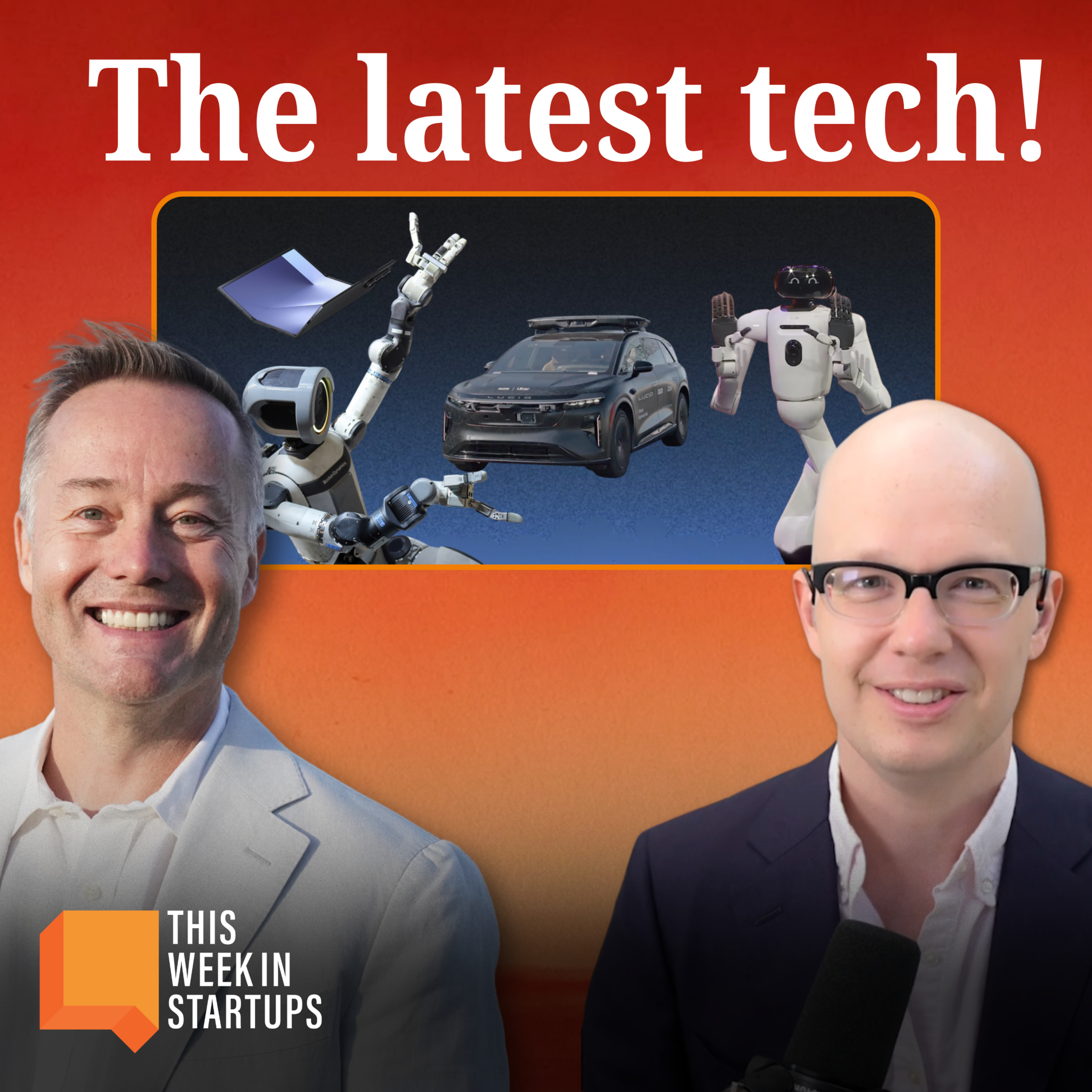
Rapid advances in Tesla's Optimus robot suggest the company's ultimate focus is on humanoid robotics, not electric vehicles. This pivot could redefine Tesla's identity, making cars a footnote in its history, much like Sony's early products are forgotten in favor of its iconic consumer electronics.
Musk identifies three primary challenges for humanoid robots: real-world intelligence, manufacturing at scale, and the hand. He asserts that from an electromechanical standpoint, perfecting the human-like hand is more difficult than all other physical components combined, requiring custom-designed actuators from first principles.