Get your free personalized podcast brief
We scan new podcasts and send you the top 5 insights daily.
Platforms first attract users with good service, then lock them in. Next, they worsen the user experience to benefit business customers. Finally, they squeeze business customers, extracting all value for shareholders, leaving behind a dysfunctional service.

Related Insights
Matt Mullenweg observes a predictable cycle where technology swings from open to proprietary and back. When proprietary systems become too profitable and user-hostile, it creates a market opportunity for open-source alternatives to emerge and capture disillusioned customers.
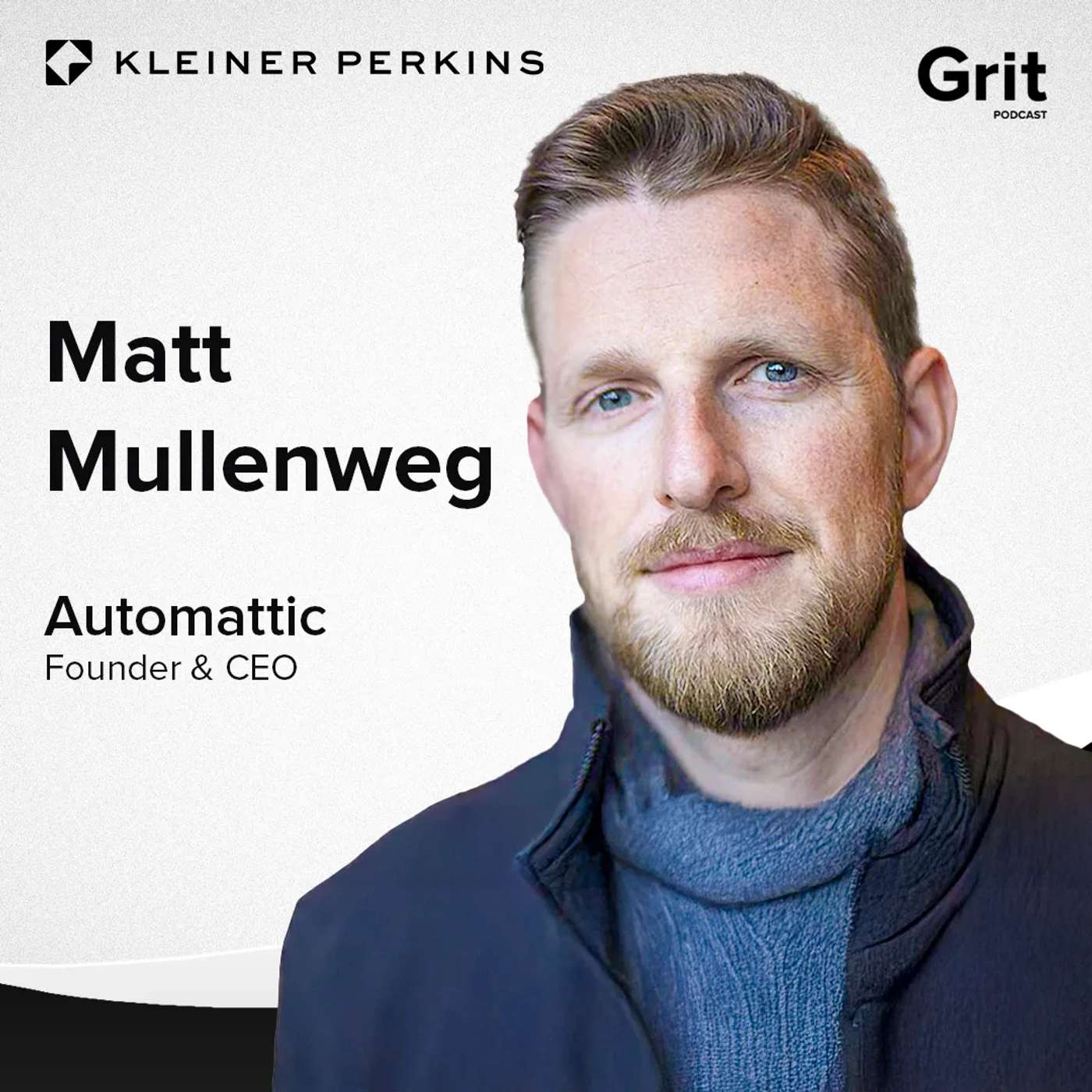
Businesses become critically dependent on platforms for even a small fraction of their revenue (e.g., 20%). This 'monopsony power' creates a stronger lock-in than user network effects, as losing that customer base can bankrupt the business.
Airbnb's AI-driven party prevention is a pro-host move to counterbalance recent pro-guest changes to its fee structure. This illustrates how platform businesses must continuously alternate which side of the marketplace they favor to keep both groups engaged and prevent churn on either side.

The idea of a truly "open web" was a brief historical moment. Powerful, proprietary "organizing layers" like search engines and app stores inevitably emerge to centralize ecosystems and capture value. Today's AI chatbots are simply the newest form of these organizing layers.
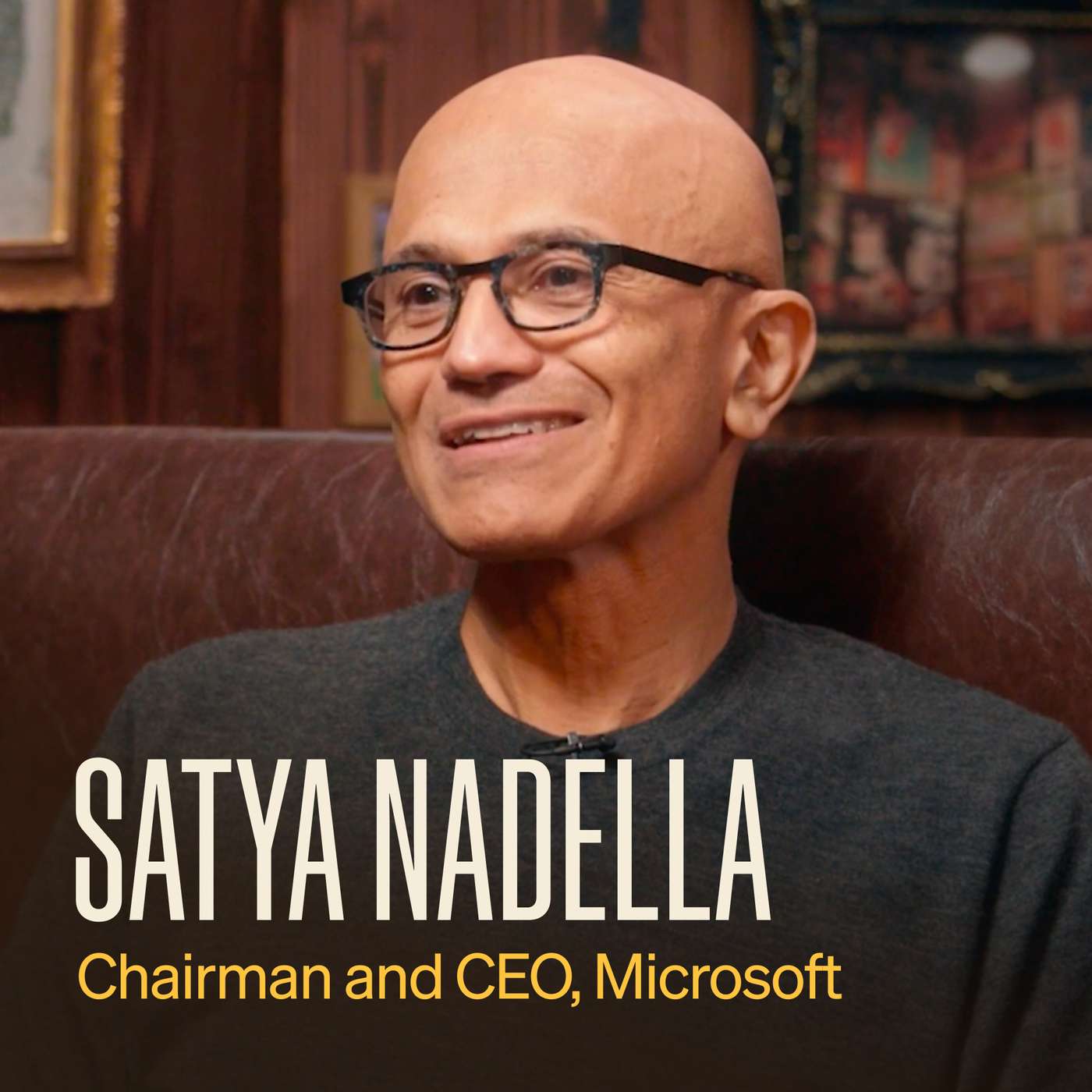
The common feeling of needing to 'detox' from a phone or computer is a sign of a broken user relationship. Unlike a sofa, we can't simply replace it. This aversion stems from devices being filled with applications whose incentives are not aligned with our well-being, a problem AI will amplify.

Businesses building their entire model on leads from a single platform like Google or Facebook Ads are at severe risk. An algorithm change can instantly destroy their customer source, highlighting the need for a diversified, systems-based marketing approach rather than tactical dependency.

A consistent pattern shows innovators adopting the models of legacy players they displaced. YouTube creating cable-like bundles, Coinbase mirroring traditional banks, and Facebook becoming new media illustrates a natural lifecycle where disruptors eventually converge with the industries they set out to revolutionize.

OpenAI's platform strategy, which centralizes app distribution through ChatGPT, mirrors Apple's iOS model. This creates a 'walled garden' that could follow Cory Doctorow's 'inshittification' pattern: initially benefiting users, then locking them in, and finally exploiting them once they cannot easily leave the ecosystem.
Avoid building your primary content presence on platforms like Medium or Quora. These platforms inevitably shift focus from serving users to serving advertisers and their own bottom line, ultimately degrading reach and control for creators. Use them as spokes, but always own your central content hub.

Previously, scarce and mission-driven tech workers could refuse to build features that harmed users. Mass layoffs created a labor surplus, removing workers' leverage and allowing companies to push through user-hostile changes without internal resistance.