Get your free personalized podcast brief
We scan new podcasts and send you the top 5 insights daily.
The detention of Manus's co-founders by Chinese authorities after selling their leading AI company to Meta is a stark warning. It illustrates the immense geopolitical risks involved when strategic AI assets are sold to foreign entities, especially amidst a global "AI race" between superpowers.

Related Insights
Expect Meta to rename the Manus AI technology before a wide rollout. This would be a strategic move to distance the product from its Chinese roots, thereby sidestepping potential user distrust and the intense regulatory scrutiny faced by companies like TikTok in the US.

The dispute highlights a core tension for democracies: how to compete with authoritarian states like China, which can command its AI labs without debate. The pressure to maintain a military edge may force the U.S. to adopt more coercive policies towards its own private tech companies, compromising the free market principles it aims to defend.

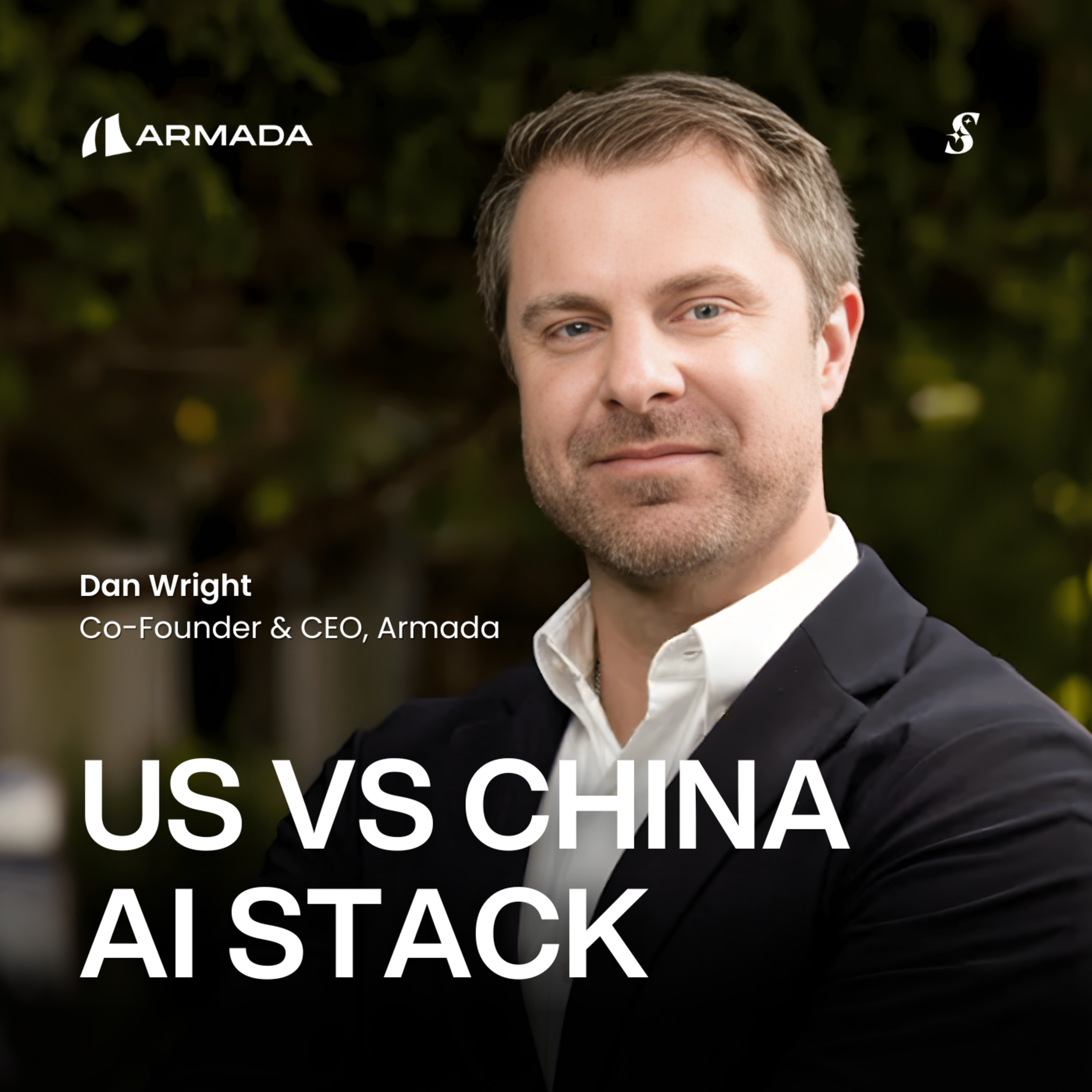
The competition in AI infrastructure is framed as a binary, geopolitical choice. The future will be dominated by either a US-led AI stack or a Chinese one. This perspective positions edge infrastructure companies as critical players in national security and technological dominance.
Dario Amodei, CEO of Anthropic, frames the debate over selling advanced GPUs to China not as a trade issue, but as a severe national security risk. He compares it to selling nuclear weapons, arguing that it arms a geopolitical competitor with the foundational technology for advanced AI, which he calls "a country of geniuses in a data center."

Meta's acquisition of Manus, a Chinese-founded startup that moved to Singapore, is being scrutinized by Beijing. This shows that simply changing legal domicile is not enough to escape China's control over deals involving its domestic technology, data, or talent, setting a precedent for future cross-border M&A.
AI startup Manus's move from China to Singapore was a survival tactic to escape a market where big tech clones viral products in days. This strategic relocation allowed it to build defensible traction with a Western user base, creating a new playbook for Chinese-founded startups seeking global acquisition.
The competition for AI supremacy is a two-country race between the US and China, with all other nations playing peripheral roles. This singular dynamic is so powerful that it will consume global capital and force all other geopolitical issues to align around it, defining the next era of international relations.

China's investigation into Meta's acquisition of Singapore-based Manus (a formerly Chinese company) is a warning shot. It signals that China will discourage its founders from re-domiciling to neutral territories like Singapore simply to facilitate sales to American companies.

The feeling that AI development is a "race" is unique to this tech era. According to Aetherflux founder Baiju Bhat, this urgency is fueled by geopolitical competition between the U.S. and China, who both view AI leadership as a national strategic priority, unlike previous consumer-focused tech waves.

A key risk to OpenAI's trillion-dollar valuation is not just market competition, but the rise of a state-backed, parallel AI ecosystem in China. This creates a future where global AI leadership could be fragmented along geopolitical lines, challenging long-term dominance.