Get your free personalized podcast brief
We scan new podcasts and send you the top 5 insights daily.
Building a media empire traditionally requires massive capital and resources. Vaynerchuk highlights that the recent critical mass of AI technology provides a strategic advantage, enabling smaller creators to produce high-quality content and compete with the world's largest entertainment studios on a more level playing field.

Related Insights
As AI tools enable millions of amateur creators to produce professional-quality content, platforms like YouTube and Spotify become less reliant on a small number of mainstream media giants. This diffusion of content creation shifts bargaining power away from traditional studios and labels to the platforms themselves.

Instead of betting hundreds of millions on a single blockbuster, studios can use AI to drastically lower production costs. This enables a 'go wider' strategy, funding numerous smaller projects based on 'B-tier' IP like Warhammer, de-risking their content portfolio.

Proficiency with AI video generators is a strategic business advantage, not just a content skill. Like early mastery of YouTube or Instagram, it creates a defensible distribution channel by allowing individuals and startups to own audience attention, which is an unfair advantage in the market.

Historically, the effort and resources needed to execute an idea were the biggest hurdles. With AI, the distance between imagination and execution has shrunk dramatically, making creativity the new bottleneck and a key driver of value creation.

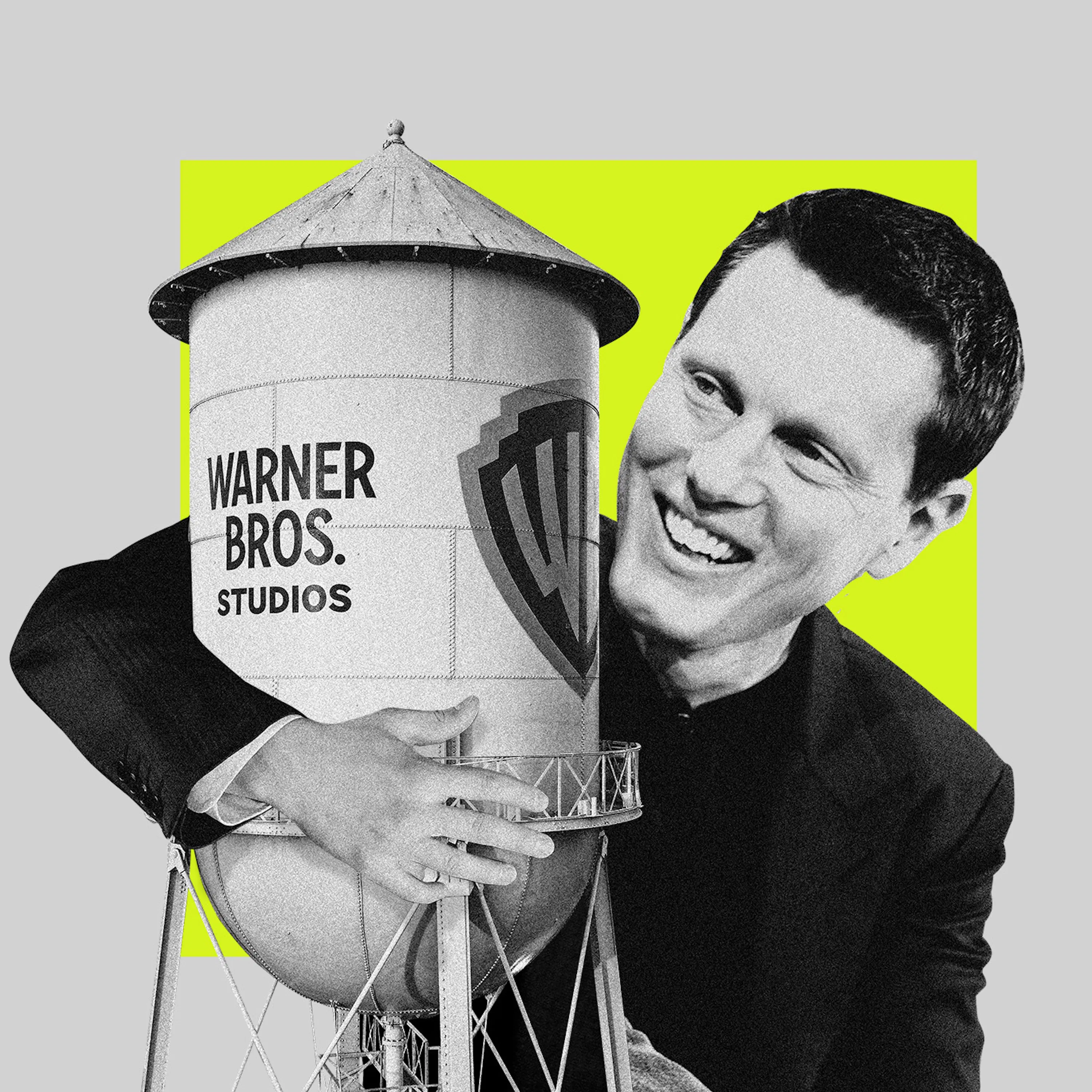
While AI could lower production costs for studios like Paramount, its greater impact may be empowering millions of creators on platforms like YouTube. This could create a competitive "sea of content" that erodes the value of the very IP being acquired, presenting a major threat that legacy media isn't discussing.
Social media allows anyone to be a "reality TV star," but creating high-production fiction requires immense capital. As AI tools democratize filmmaking, countless talented storytellers who prefer working behind the scenes—the Christopher Nolans of the world—can finally produce their visions.

While large enterprises remain cautious about ceding creative control to AI, small and mid-sized businesses see a breakthrough. AI overcomes the economic barriers to content production, enabling them to execute personalization and campaigns at a scale that was previously out of reach.

While the internet is filling with low-quality AI content, a significant opportunity exists for AI-native media companies focused on creating high-quality, niche content. By using AI avatars and voice generation thoughtfully, creators can build massive, engaged audiences and then effectively monetize them.
An AI CEO predicts that within two years, AI tools will make content creation instantaneous and nearly free. This will destroy traditional moats like audience loyalty and production quality, as anyone can generate photorealistic content. The market will shift focus from the creator to the individual content piece.

AI tools for creative production are becoming ubiquitous, leveling the playing field for execution. As production becomes a commodity, the strategic quality and originality of the core creative idea becomes the primary factor for success and differentiation.
