Get your free personalized podcast brief
We scan new podcasts and send you the top 5 insights daily.
HubSpot's co-founders were driven by the goal of becoming the biggest tech company in Boston, not the world. While VC Marc Andreessen views this "local maximum" thinking as a flaw, for HubSpot it provided a powerful, tangible anchor that fueled their long-term focus and prevented them from selling early.
Related Insights
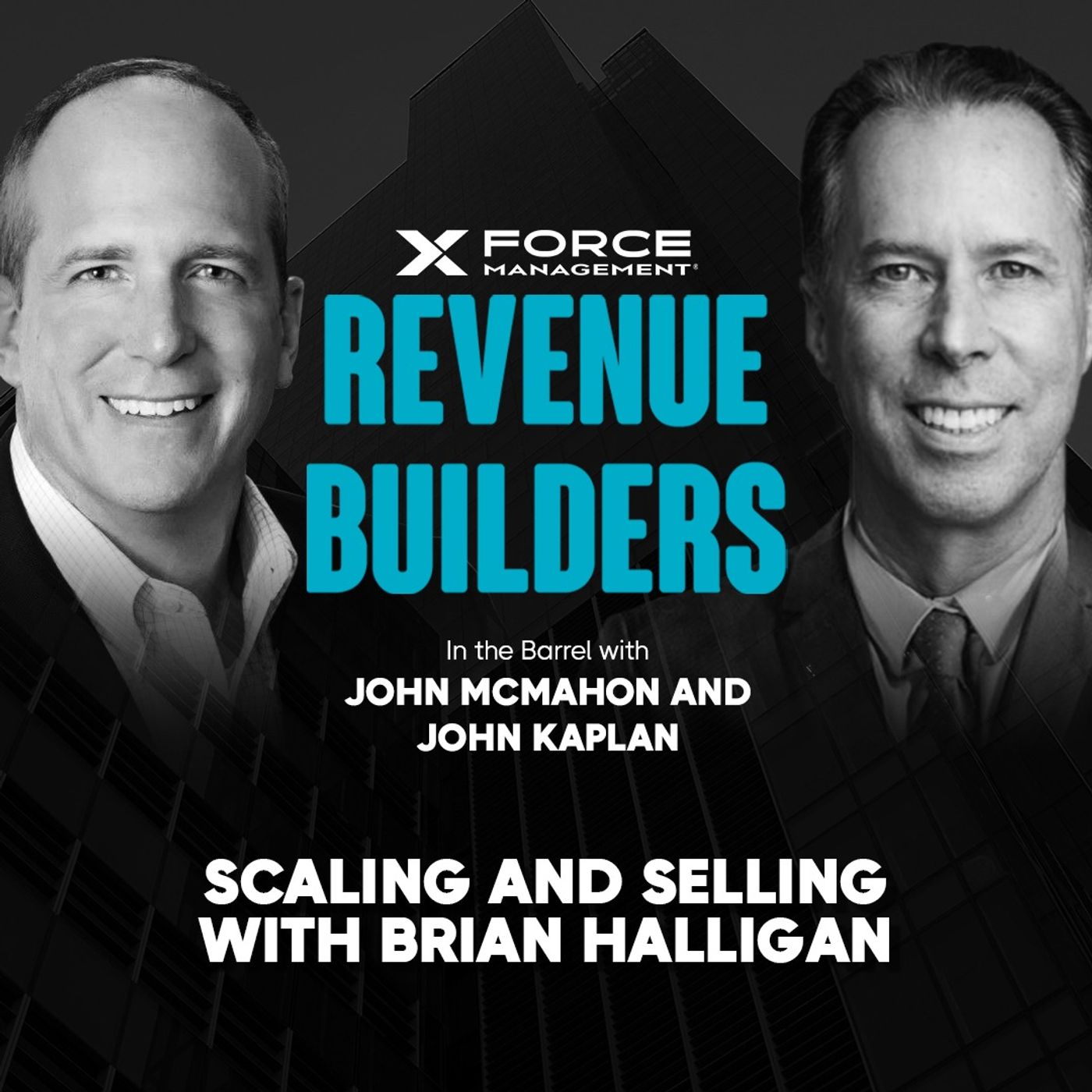
Contrary to the popular belief that successful, high-growth startups are constantly fielding acquisition offers, HubSpot's Brian Halligan reveals they received fewer than five serious inquiries over 18 years. This reality check suggests that a quiet phone is normal, even for category-defining companies.
HubSpot co-founder Brian Halligan observes a new archetype of tech leader: the "five-tool CEO." Like a rare multi-talented baseball player, they possess elite skills in five key areas: vision, coding, design, recruiting, and sales. Founders like Rippling's Parker Conrad exemplify this new, formidable breed of entrepreneur.

A16z's foundational belief is that founders, not hired "professional CEOs," should lead their companies long-term. The firm is structured as a network of specialists to provide founders with the knowledge and connections they lack, enabling them to grow into the CEO role and succeed.

Founders with deep market fit must trust their unique intuition over persuasive, but generic, VC advice. Following the standard playbook leads to cookie-cutter companies, while leaning into the 'weird' things that make your business different is what creates a unique, defensible moat.

Dara Khosrowshahi argues that entrepreneurs over-index on Total Addressable Market (TAM), which he sees mainly as a fundraising tool. The real focus should be on proving product-market fit and solid unit economics in a small, defensible niche. Once that's established, you can expand into adjacent markets.

Figma's market initially seemed too small to attract major VC interest or intense competition, giving them space to build a defensible product. Founders can gain a significant advantage by working in overlooked spaces, provided they have genuine passion to sustain them for a decade or more.

To challenge an incumbent with massive network effects, Dara Khosrowshahi suggests startups shouldn't attack head-on. Instead, they should find a niche, like a smaller city or a specific service (e.g., two-wheelers), build concentrated local liquidity there, and then replicate that model city-by-city.
Boston's tech culture has historically over-indexed on protecting intellectual property and taking non-dilutive grants. This defensive mindset, focused on holding a large share of a small pie, stifles the aggressive, value-creation-first approach necessary for hyper-growth.
Instead of choosing between tech hubs like Austin and San Francisco, founders can adopt a hybrid model. Spend a concentrated period (1-3 months) in a high-density talent hub like SF to build domain expertise and relationships, then apply that capital back in a lower-cost home base.

The most enduring companies, like Facebook and Google, began with founders solving a problem they personally experienced. Trying to logically deduce a mission from market reports lacks the authenticity and passion required to build something great. The best ideas are organic, not analytical.