Get your free personalized podcast brief
We scan new podcasts and send you the top 5 insights daily.
A profound insight came to the author in her daughter's "voice": the book itself doesn't keep the daughter alive; rather, the mother keeps her alive by choosing to truly live, not just exist as a "sad sack." This transforms living from a burden into an act of remembrance.

Related Insights
Upon his father's passing, Wilson realized the most impactful trait was his dad's ability to make every space better through positivity, compliments, and genuine interest in others. This serves as a powerful reminder of what truly constitutes a meaningful legacy.

Reflecting on losing her father, Kara Swisher advises that the surviving parent should actively maintain connections with the deceased's family and friends. Her mother failed to do this, forcing Swisher to rediscover her father's history on her own as an adult—a painful process her children could have been spared.

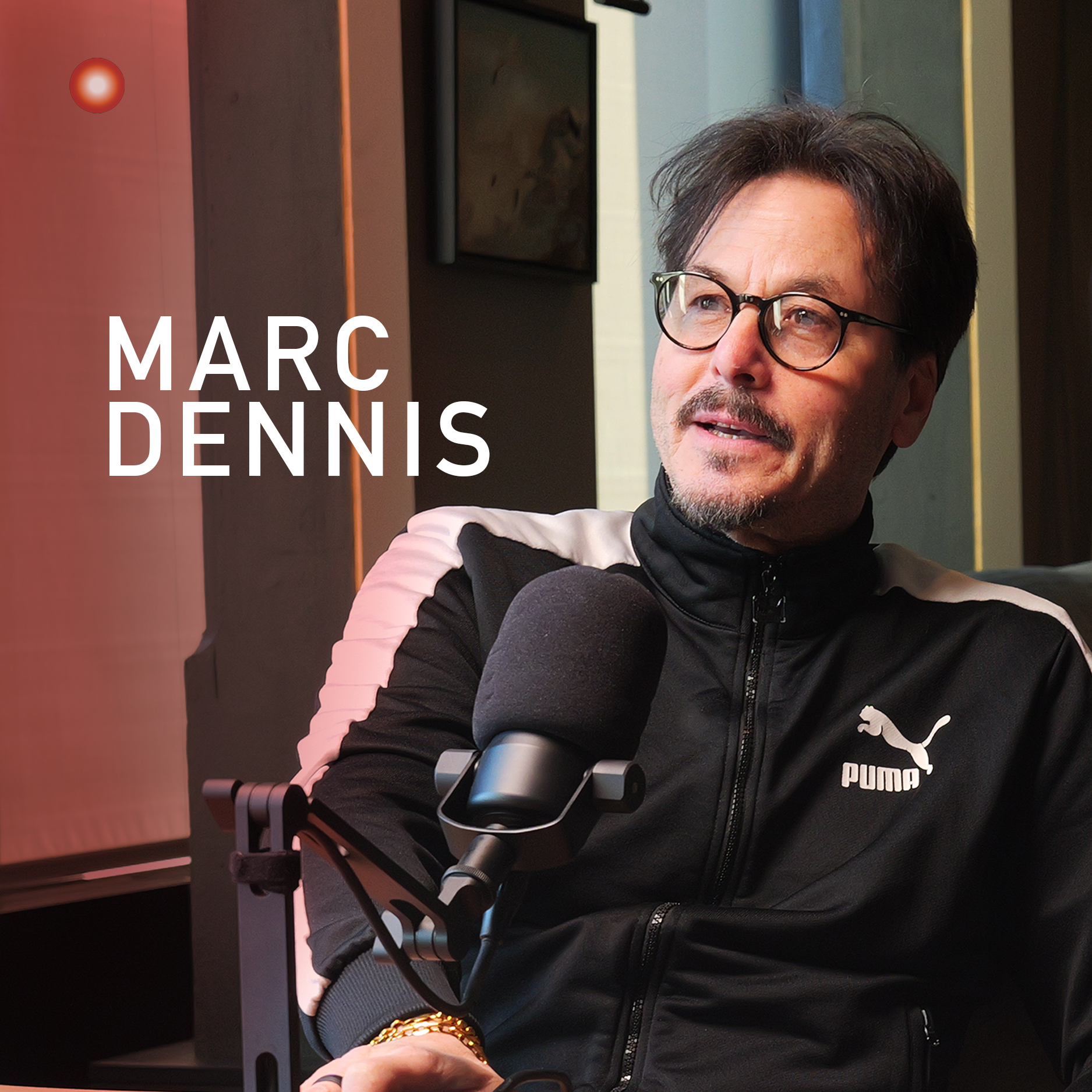
Artist Marc Dennis started writing his memoir not for an audience, but as a way to communicate with his younger brother after he passed away. This deeply personal, therapeutic act of writing daily letters evolved into a broader collection of life stories and memories, born from grief rather than ambition.
A deceased loved one can maintain a spiritual presence that is more vivid and interactive than most living people. This continued communion provides crucial support during grief and fades naturally once they sense you are strong enough to move forward alone.

Most books are 'dead' archives of past knowledge, like digesting old food. An 'alive' book channels the author's present, living transformation onto the page. This imbues the work with a dynamic life force of its own, capable of creating profound, real-time change in the reader.

People facing death find joy not because their suffering is gone, but because they consciously look for and acknowledge positive moments. A dying client used a simple tally device, a "joy counter," to track every small good thing, which retrained his focus on what was still present and good in his life.

The capacity for profound joy from simple things is intensified by having experienced life's hardships. Grief provides the necessary contrast that transforms tender moments from being merely "nice" into feeling "life-saving" and deeply meaningful.

Jane Fonda argues that mortality gives life its meaning and creative spark. At age 60, she consciously began to live in a way that would minimize future regrets. This focus on the end-of-life experience, rather than fearing it, informs present-day actions and creates a more purposeful existence.
The anxiety you feel for your children or the grief from losing a loved one isn't just pain. It's the tangible evidence, or "receipt," of deep love and purpose. Acknowledging this connection can help in processing these difficult emotions as a feature of a meaningful life, not just a bug.
Instead of viewing grief as a problem to be solved or 'gotten over,' it should be seen as a feature of a well-lived life. Grief is the natural and proportional receipt for the love you have for someone. Experiencing deep grief means you experienced deep connection, and that is not something to be erased.
