Get your free personalized podcast brief
We scan new podcasts and send you the top 5 insights daily.
Unlike open web publishers such as The New York Times, which seamlessly cross-promote separate verticals like recipes, games, and sports using simple hyperlinks, television streaming companies are trapped in closed app environments. Platforms like Roku, Apple TV, and Amazon Fire prevent fluid cross-navigation between distinct properties. This app-centric architecture forces media conglomerates to maintain clumsy, separate app bundles or confusing UI tabs rather than enjoying frictionless multi-product discovery.

Related Insights
The Fox-Roku merger highlights a key vulnerability in streaming: services without a distinct, defensible value proposition (like sports for ESPN or kids' content for Disney) will struggle to remain independent. Companies with a generic content library are prime targets for acquisition in the ongoing media consolidation wave.

Netflix wisely spun off its streaming device project into Roku. This allowed Netflix to focus on being a content *network* available on all devices, while Roku focused on being the agnostic *platform* that hosted all networks. This strategic separation enabled both to become market leaders in their respective domains.

Even dominant media players like the NYT struggle with internal content discovery. Paying subscribers often find the most interesting articles through third-party platforms like Google News rather than the publication's own homepage, revealing a significant flaw in their on-site user experience.
Relying on wholesale third-party aggregators like Amazon Prime creates structural vulnerabilities for streaming services. Amazon distributes millions of subscriptions for apps like HBO Max and Paramount Plus without sharing customer credit cards or email addresses. Streamers cannot even message their own subscribers directly. Although leaving Amazon costs millions of subscribers, staying leaves media companies without direct ownership of their closest consumer relationships, constraining long-term platform migrations.
By mandating its own WebKit engine and banning more capable alternatives on iOS, Apple prevents web applications from competing effectively with native apps, pushing developers toward its lucrative App Store ecosystem.

Current streaming giants offer deep catalogs of Hollywood programming but lack any integration with snackable, creator-generated formats like Reels or TikTok. Jason Krebs suggests that merging conglomerates like Skydance and Paramount have an opportunity to innovate by combining creator content and professional entertainment under a single platform, potentially offering revenue or equity partnerships. Dabbling in creator content remains unexploited by legacy services despite huge shifts in consumer attention.
When major entertainment networks consolidate streaming platforms, unifying apps creates an immediate monetization dilemma. Simon Owens highlights that an estimated 25 million people subscribe to both Paramount Plus and HBO Max. Merging the services into a single app means either doubling subscription prices or sacrificing dual subscriptions—potentially wiping out roughly $3 billion in annual revenue. Consequently, consolidated conglomerates are forced to maintain fragmented apps despite marketing promises of unified libraries.
Services like Paramount rely heavily on third-party "channel stores" like Amazon for subscribers, ceding customer ownership and app usage. To become a top-tier player like Netflix or Disney, the new entity may need to pull off these platforms, forcing a strategic choice: go it alone with massive marketing costs or remain dependent on aggregators.
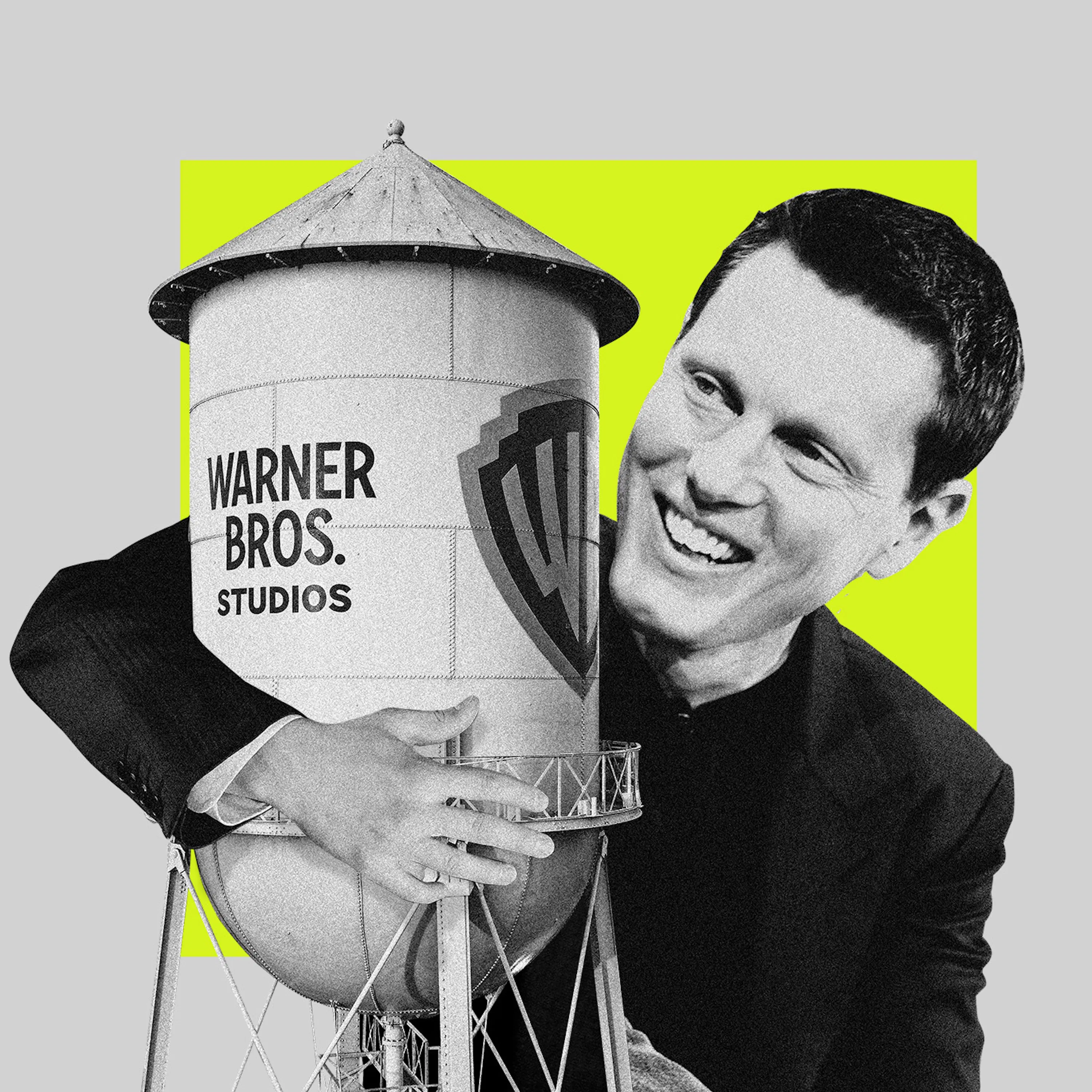
Obvious strategic synergies, like a single subscription bundle for MSNOW and CNBC, are often blocked by powerful executives running channels as personal fiefdoms and by complex legacy carriage agreements with cable distributors that restrict digital offerings.
Tech giants like Google and Meta maintain closed advertising ecosystems ("walled gardens"). This control, while profitable, fundamentally limits AI's potential to automate and optimize media buying across different platforms, as AI agents cannot access and purchase inventory freely.