Get your free personalized podcast brief
We scan new podcasts and send you the top 5 insights daily.
Faced with backlash for using names without consent, Superhuman's first move was an email-based opt-out. This common tech crisis playbook addresses the immediate PR problem with a tactical fix, delaying the harder strategic decision to kill the feature entirely, which only came later.

Related Insights
When faced with intense public scrutiny unrelated to the product, Astronomer's leadership focused all discussions on employee support and customer assurance. This internal focus prevented any employee or customer churn, demonstrating that the core business can remain stable by ignoring external noise.

The common instinct in a brand crisis is to repeatedly apologize. However, after acknowledging the mistake and the fix, the best path is to stop talking about it. Loyal customers want the brand to return to being trustworthy, and over-apologizing keeps the focus on the failure.

During a launch, subscribers may not want the current offer but still value your content. Instead of a global unsubscribe, provide a link to opt-out of that specific promotion only. This retains subscribers while allowing you to market more aggressively.
The Superhuman CEO apologized for the controversial feature, but framed the failure around its poor user experience, low usage, and bad outputs. This tactic subtly shifts the focus away from the core ethical problem—using likenesses without consent—and reframes it as a more forgivable product mistake.
After accidentally spamming 1,000 VIPs with 450,000 emails, a marketer sent a personal apology. He found that 99% of recipients were gracious and empathetic, understanding that such mistakes can happen. This act of vulnerability helped mitigate the reputational damage.

During the Sydney Sweeney ad controversy, American Eagle's marketing team intentionally remained silent, contrary to typical crisis management advice. This allowed them to assess internal data and let the negative sentiment cycle burn out, which ultimately proved successful as public opinion swung back in their favor.

Superhuman's CEO repeatedly called the 'Expert Review' feature "not good" and misaligned with strategy. Simultaneously, he maintained the legal claims against it are "without merit." This dual-track defense allows a company to manage public perception and appease critics while preserving its legal position in court.
Corporate fear of social media backlash is largely unfounded. Negative attention cycles are short, and brands can neutralize issues by quickly acknowledging them and moving on. The risk of inaction is therefore greater than the risk of making a mistake.

The CEO described a canonical decision-making process designed to solicit feedback and avoid groupthink. Yet, a feature using names without permission—a clear ethical and legal risk—was launched by a small team. This indicates a failure to apply the company's own governance framework to product development.
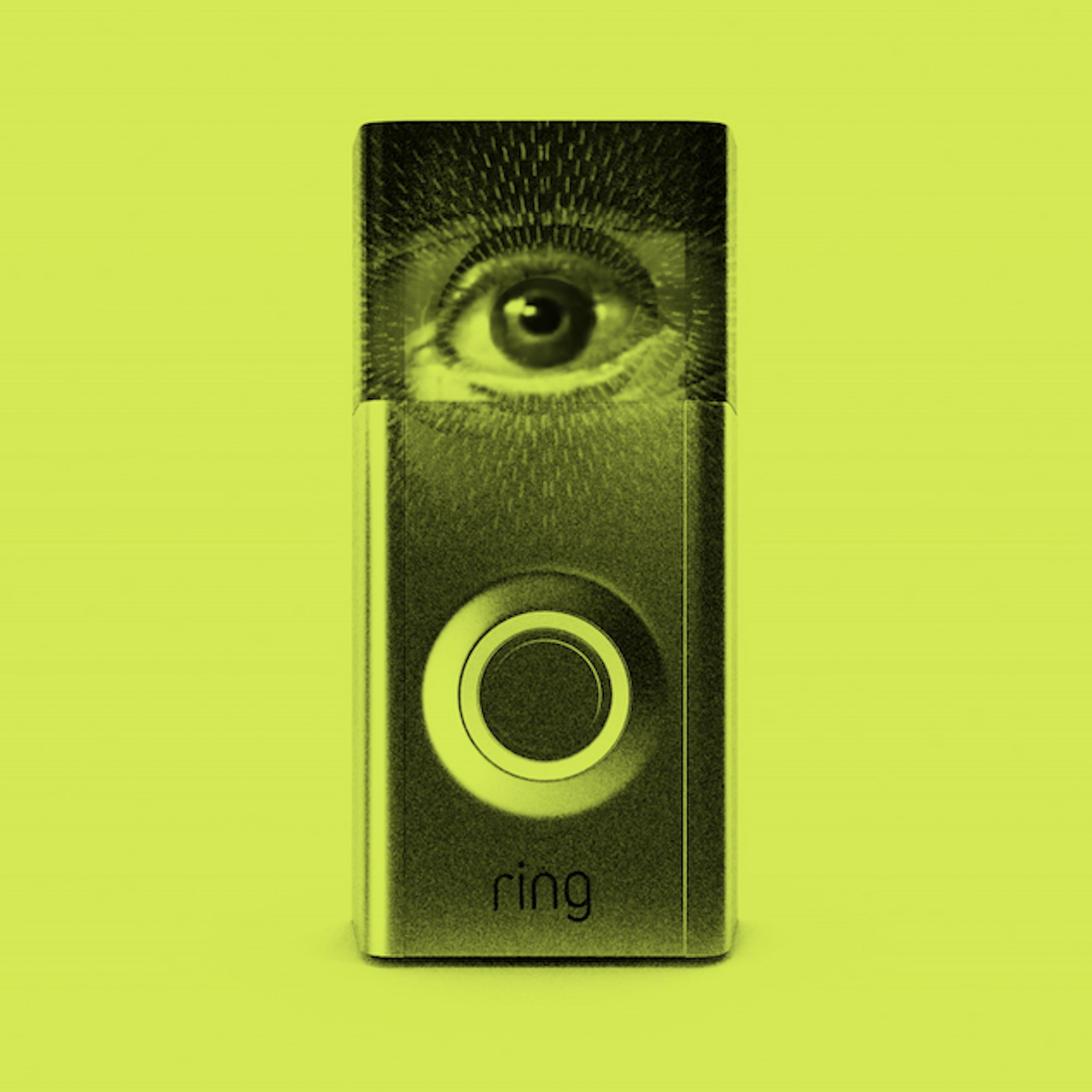
A swift and intensely negative public reaction, amplified by social media influencers, directly led Amazon's Ring to cancel its planned integration with surveillance firm Flock Safety just days after its announcement. This shows public opinion on privacy can act as a powerful and immediate check on corporate strategy.