Get your free personalized podcast brief
We scan new podcasts and send you the top 5 insights daily.
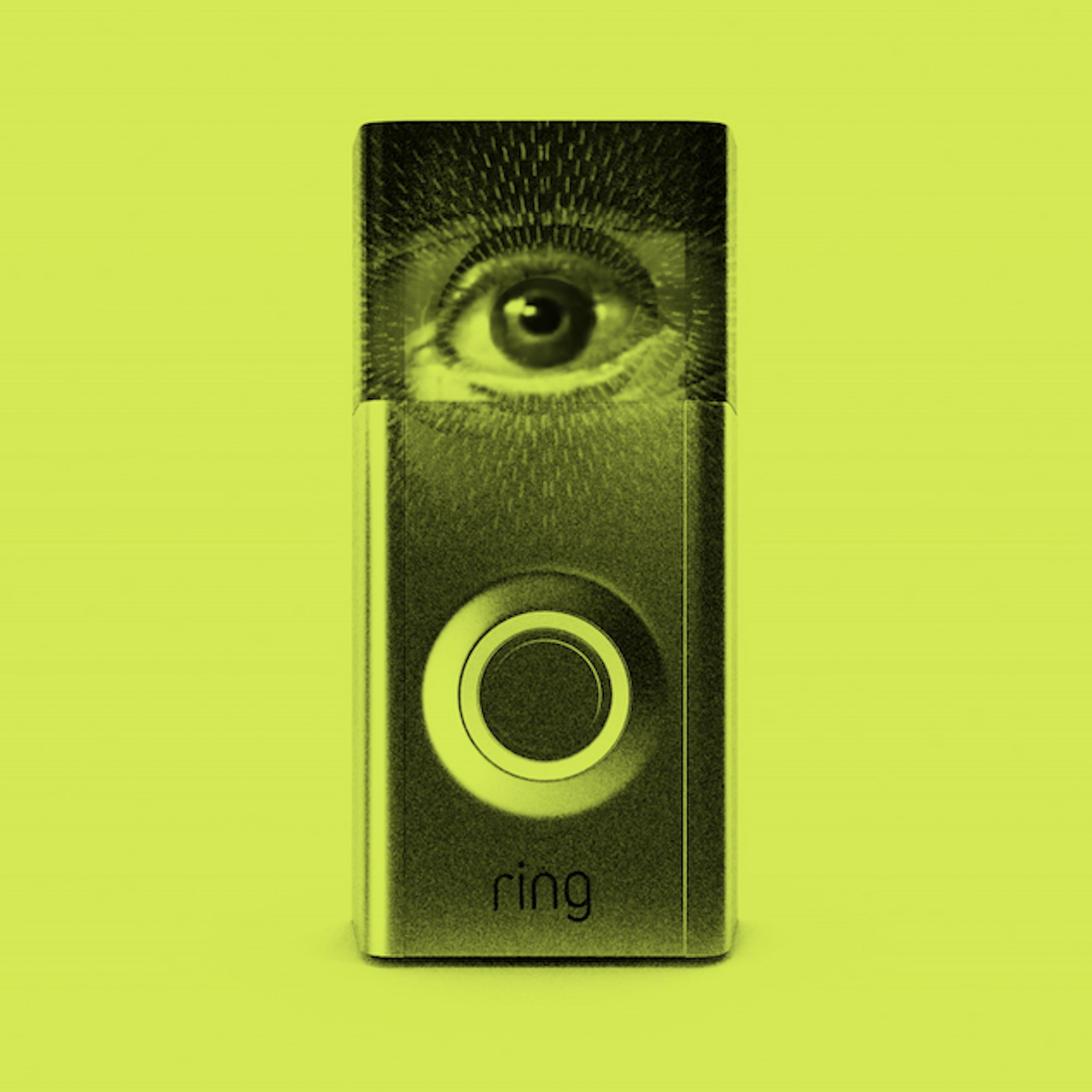
A swift and intensely negative public reaction, amplified by social media influencers, directly led Amazon's Ring to cancel its planned integration with surveillance firm Flock Safety just days after its announcement. This shows public opinion on privacy can act as a powerful and immediate check on corporate strategy.
Related Insights
Ring's founder deflects privacy concerns about his company's powerful surveillance network by repeatedly highlighting that each user has absolute control over their own video. This 'decentralized control' narrative frames the system as a collection of individual choices, sidestepping questions about the network's immense aggregate power.
Ring's Super Bowl ad framed its AI surveillance as a benign tool to find lost dogs. Critics and the public immediately saw this as a way to normalize and develop powerful technology that could easily be used to track people, revealing how a harmless use-case can mask more controversial long-term capabilities.
The true power of an economic boycott lies not in its direct revenue loss, which is often negligible (around a 1% stock decline). Its effectiveness comes from creating negative media attention that pressures corporate leaders to reverse decisions in order to quell the public relations crisis.
The podcast highlights a core paradox: widespread fear of corporate surveillance systems like Ring coexists with public praise for citizens using identical technology (cell phones) to record law enforcement. This demonstrates that the perceived controller and intent, not the technology itself, dictate public acceptance of surveillance.
In a consumer-driven economy, withdrawing participation by unsubscribing from services sends a powerful market signal. This financial pressure can influence corporate behavior and government policy more effectively than traditional protests or heckling from the sidelines.
The swift reversal by Sinclair and Nexstar on blacking out Jimmy Kimmel demonstrates that coordinated economic pressure from consumers and advertisers can be a more effective and rapid check on corporate political maneuvering than traditional political opposition, which often lacks the same immediate financial leverage.

The real leverage in consumer boycotts is not the direct financial hit from cancellations. It's the media narrative about potential impact that creates pressure on employees, partners, and executives, ultimately forcing a corporate response—as seen when Disney reversed course on Jimmy Kimmel.

Public companies are policed by the FTC (which requires proof), Wall Street short-sellers, and now online influencers. The latter two can significantly damage a stock and sales with unproven allegations, creating a new, highly volatile reputational risk that spreads rapidly on social media.

Ring founder Jamie Simenoff described his AI's goal as replicating a neighborhood with all-knowing private security. Instead of conveying safety, host Nilay Patel immediately challenged this vision as a "dystopian" nightmare, revealing a stark disconnect between a founder's intent and public perception of surveillance technologies.
Corporate fear of social media backlash is largely unfounded. Negative attention cycles are short, and brands can neutralize issues by quickly acknowledging them and moving on. The risk of inaction is therefore greater than the risk of making a mistake.
