Get your free personalized podcast brief
We scan new podcasts and send you the top 5 insights daily.
Previously, the party in power was blamed for government shutdowns, creating an incentive to resolve them quickly. In today's hyper-partisan environment, this feedback loop is broken. Blame is diffused, and parties no longer face the same immediate political consequences, leading to longer and more frequent shutdowns.
Related Insights
To prevent political stalemates from causing prolonged government shutdowns, a mechanism could automatically reopen government after a set period. This 'dead hand switch' would trigger pre-agreed, across-the-board budget cuts, forcing politicians to negotiate in good faith to avoid an automated outcome that neither side fully controls.

During a government shutdown, one political strategy is to refuse compromise and instead allow the opposition's actions, like cutting food stamps, to publicly reveal their character and force them to own the unpopular consequences.

A political party might intentionally trigger a government shutdown not to win policy concessions, but to create a public narrative of a dysfunctional opposition. The true victory isn't legislative but reputational, aiming to sway voters in upcoming elections by making the ruling party look incompetent.

Unlike most countries that fund legislation upon passing it, the U.S. Congress passes laws first and separately debates funding later. This fundamental disconnect between approving work and approving payment is a structural flaw that repeatedly manufactures fiscal crises and government shutdowns.

An effective strategy during a government shutdown is to avoid a broad debate and instead focus public attention on one clear, emotionally resonant issue, like the loss of healthcare subsidies. By targeting voters in the opposition's territory, this tactic aims to divide the other party's base and claim the moral high ground.

Political deadlines like military pay dates are often overcome. The true forcing mechanism for ending a prolonged government shutdown is the breakdown of essential services that cause widespread public pain, such as air traffic control disruptions or the cessation of welfare benefits like WIC and SNAP.

Prolonged government shutdowns don't end due to broad GDP impact. Instead, a specific, high-visibility failure of public services, like an air traffic control stoppage, creates the necessary political urgency for a resolution by making the economic risk tangible and immediate.

A major government shutdown was made "oddly tolerable" and politically sustainable because the administration creatively repurposed funds to keep key services paid. This selective funding of the military and homeland security masked the shutdown's full extent, reducing immediate public pressure for a resolution and allowing the impasse to continue.
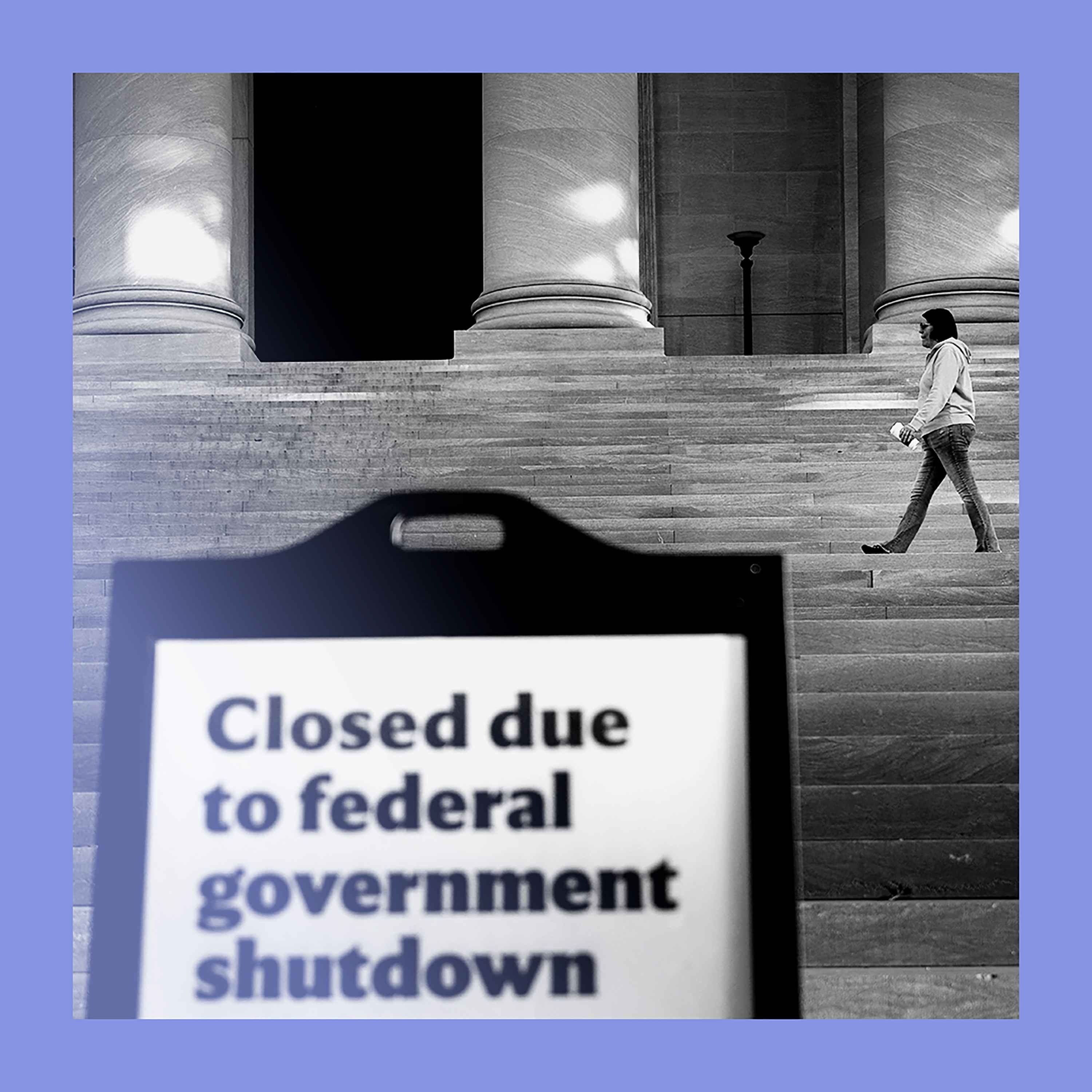
The forcing mechanism to end a prolonged government shutdown isn't a calendar date but rather the breakdown of a critical, highly visible public service. The 2018-19 shutdown ended when air traffic control snarled, creating massive public pressure that politicians could no longer ignore.
Historical precedent shows that prolonged government shutdowns conclude abruptly when essential services like air travel begin to fail. The economic halt caused by just a few air traffic controllers staying home forces politicians' hands far more effectively than negotiation.