Get your free personalized podcast brief
We scan new podcasts and send you the top 5 insights daily.
Society accepts adults playing organized sports or strategic board games but overlooks the mental health benefits of unstructured, silly play like tag or hopscotch. For many adults, especially non-athletes, this lack of pure, purposeless play contributes to stress and a yearning for childhood joy.

Related Insights
Play is not just for fun; it's a vital tool for survival and connection. It creates a safe container to take risks, discuss difficult topics, and see new possibilities. In times of stress or crisis, the ability to play signifies a break from hypervigilance and is a powerful mechanism for problem-solving and creativity.
While people lament the lack of physical 'third spaces' (places outside home and work), the root problem is mental. A new location won't cure loneliness if people don't first adopt a mindset of play, joy, and community. The emotional state must precede the physical solution.
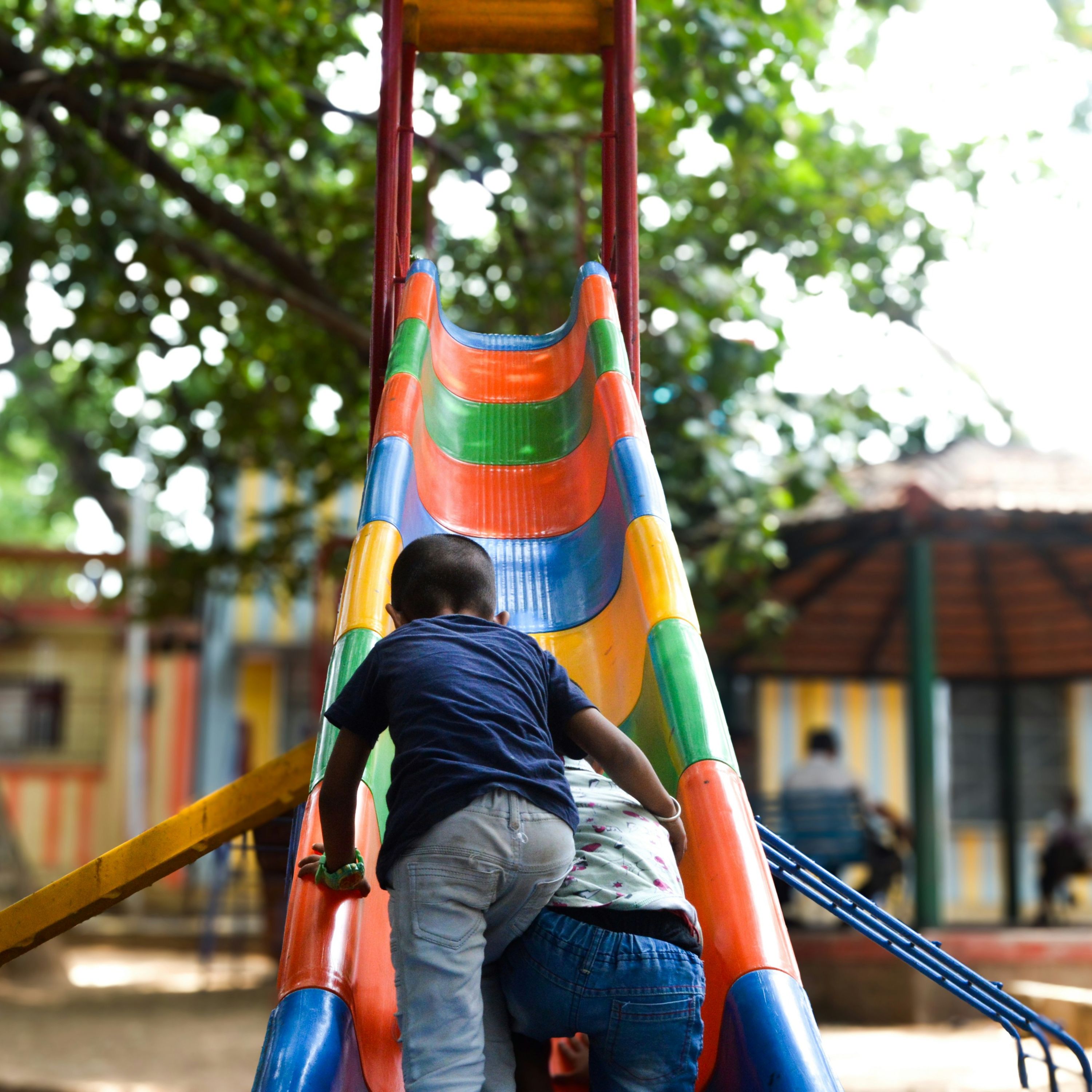
Over the same decades that children's independent play has declined, rates of youth anxiety and depression have steadily risen. Unsupervised play is crucial for developing an "internal locus of control," which allows kids to learn they can handle life’s challenges and builds resilience.
The brain circuits for play are not pruned after childhood; they persist because they are vital for adult adaptation. Biology doesn't waste resources. The continued existence of these circuits is proof that play is a fundamental, non-negotiable mechanism for learning and creativity throughout our entire lives.

When employees suppress playfulness to appear "serious," they enter a state of play deprivation. This isn't just a loss of fun; it directly impacts business outcomes by reducing resilience, hindering a solutions-oriented mindset, and weakening the intrinsic motivation necessary to navigate setbacks.

Type-A individuals tend to turn recreational hobbies into performance-based tasks, creating more stress. Choosing activities with subjective outcomes, like dance or yoga, instead of win/lose games helps focus on the experience rather than mastery.

Play is not just for children or sports; it's a critical adult activity for exploring 'if-then' scenarios in a safe environment. This process of low-stakes contingency testing expands our mental catalog of potential outcomes, directly improving creativity and adaptability in high-stakes situations.
When adults intervene in children's unstructured play to "teach" them the "right" way to do things, they often strip the activity of its imaginative joy and engagement. This transforms a creative game into a boring, adult-led lesson, diminishing learning and happiness.
Unlike organized activities with fixed rules, unstructured play forces children to invent, negotiate, and adapt rules themselves. This teaches them that rules are not sacrosanct but are mutable agreements created to facilitate fun and fairness for the group.
The 'Wiggle Theory' suggests we are born with a natural, playful 'wiggle' that gets suppressed by the rigid structures of adulthood. Music and other creative acts give people permission to rediscover this innate, non-linear state, unlocking essential emotional channels.
