Get your free personalized podcast brief
We scan new podcasts and send you the top 5 insights daily.
The ideal company culture balances two opposing forces: the 'artisan' (creativity, innovation, imagination) and the 'operator' (predictability, efficiency, financial controls). Founder Eric Ryan strives to build teams that excel at both, creating a durable business that can innovate at scale, citing Apple and Nike as examples.

Related Insights
Guy Kawasaki identifies successful founders like Steve Jobs and David Chang as being both "plumbers" (handling the messy, operational details like cleaning up literal shit) and "poets" (driving the grand, artistic vision). Excelling at only one without the other is insufficient for building a remarkable company.

Contrary to stereotypes, the best creative leaders possess a strong understanding of business mechanics. They use this knowledge not just for operational success, but as a crucial tool to protect their creative vision and build a robust, defensible enterprise.

Most startups focus on product or technology innovation, but Gamma's CEO argues that innovating on organizational design is an equally powerful lever. This means rethinking hiring, management, and team composition to create a competitive advantage.
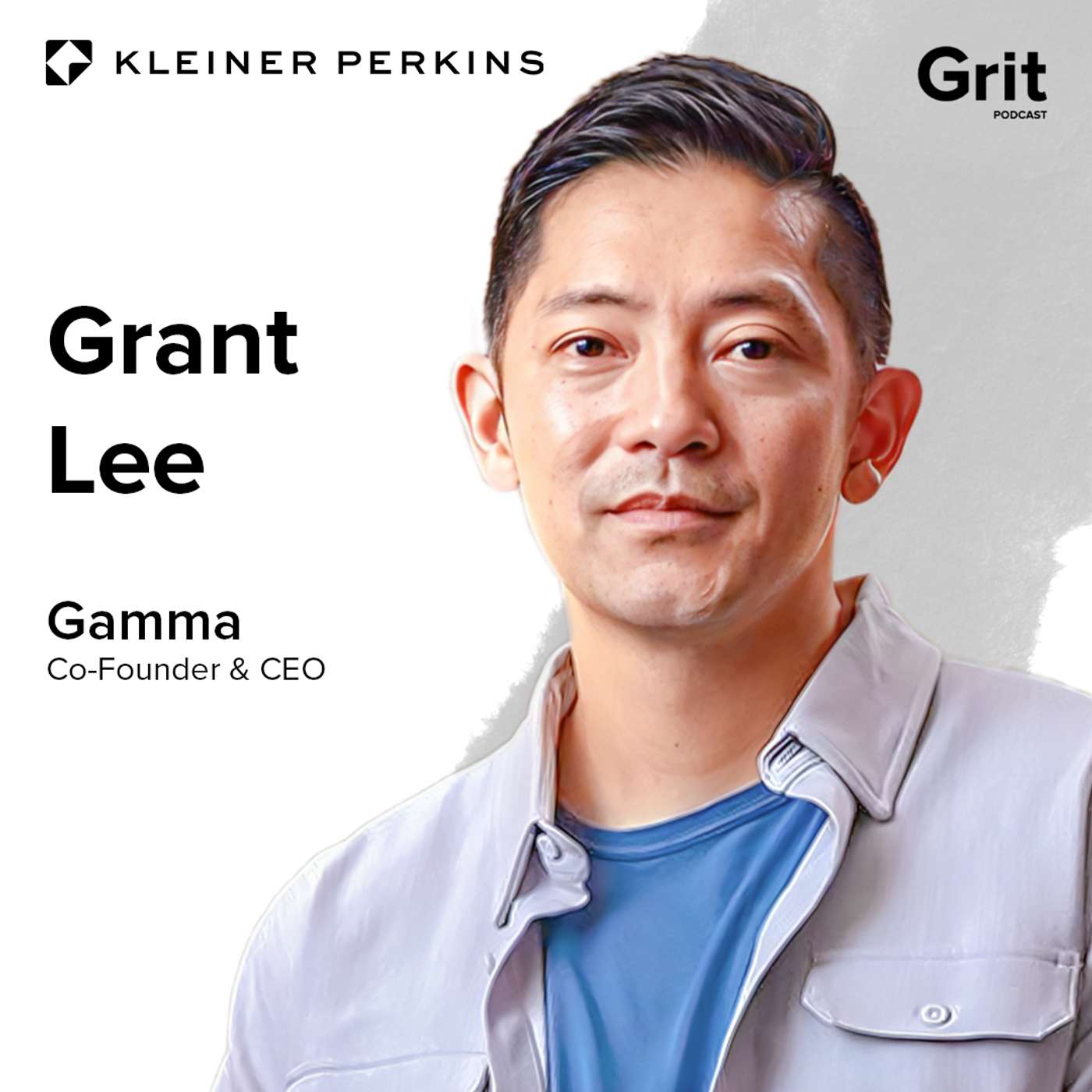
Entrepreneurs often chase novelty and chaos. However, building a predictable, system-driven, 'boring' business is a strategic choice. It eliminates work chaos, freeing up mental and emotional energy for a richer, more creative, and impactful personal life.

As companies scale, the "delivery" mindset (efficiency, spreadsheets) naturally pushes out the "discovery" mindset (creativity, poetry). A CEO's crucial role is to act as "discoverer-in-chief," protecting the innovation function from being suffocated by operational demands, which prevents the company from becoming obsolete.

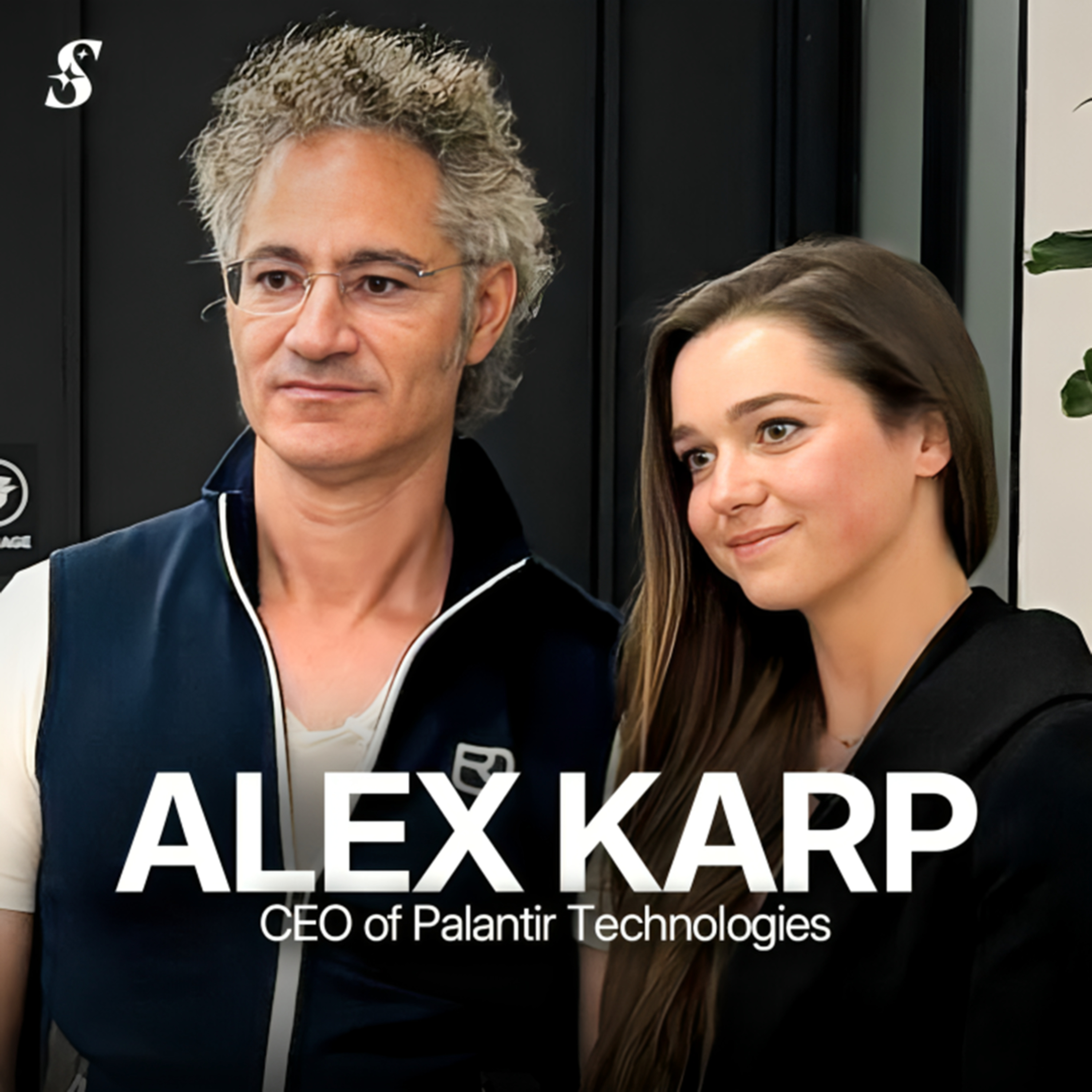
Palantir's success stems from its "anti-playbook" culture. It maintains a flat, meritocratic structure that feels like a startup despite its size. This environment fosters original thinking and rewards those who excel outside of rigid, conventional frameworks, turning traditionally undervalued traits into strengths.
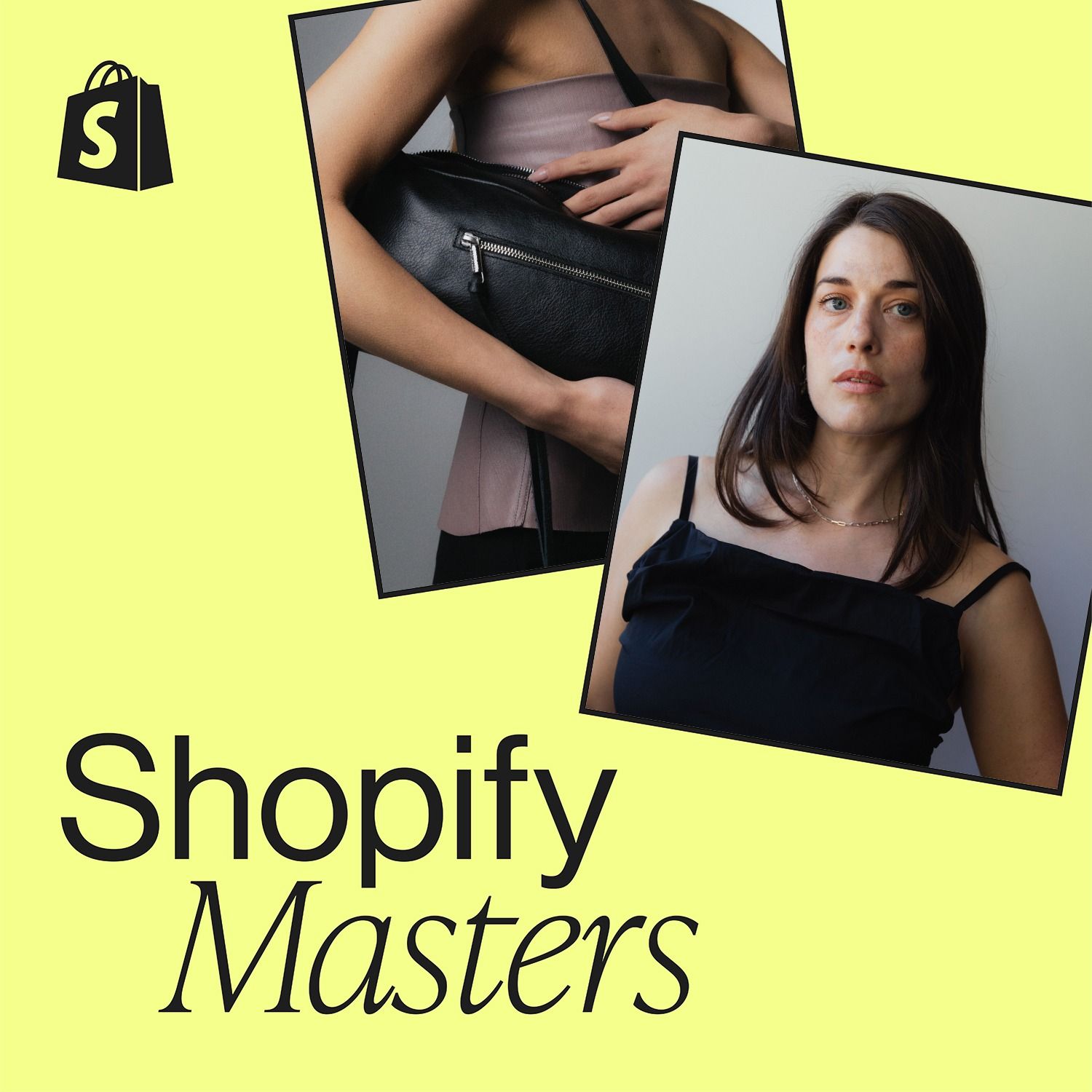
To scale production while maintaining quality, Sonya Lee uses millimeter-level sewing tolerances and precise guides, removing all guesswork. This operational rigidity creates product consistency. Paradoxically, this frees up staff's mental energy, allowing the founder to delegate creative tasks like styling and new product design, which fosters team ownership.
To scale his company Exit Five, the founder (the "Visionary") promoted his COO to CEO (the "Integrator"). This structure, from the book *Traction*, allows the creator to focus on ideas and content while the operator runs the business, manages the team, and implements processes.

The common practice of hiring for "culture fit" creates homogenous teams that stifle creativity and produce the same results. To innovate, actively recruit people who challenge the status quo and think differently. A "culture mismatch" introduces the friction necessary for breakthrough ideas.

Top talent isn't attracted to chaos; they are attracted to well-run systems where they can have a massive impact. Instead of trying to "hire rockstars" to fix a broken system, focus on building a systematic, efficient company. This is the kind of environment the best people want to join.