Get your free personalized podcast brief
We scan new podcasts and send you the top 5 insights daily.
Ben Smith notes that audience pressure isn't always negative. He gives an example of influencers at the Pentagon who, pushed by their followers' skepticism about a potential war, ended up grilling officials more intensely than established journalists. The audience demand for accountability created journalism.

Related Insights
A new media hierarchy has emerged where authenticity trumps production value. At an event, the audience reaction was muted for A-list celebrities but erupted for live streamers. This suggests raw, interactive formats build deeper connections and greater influence than polished, traditional media.

Reflecting on BuzzFeed's viral era, Ben Smith notes their key discovery was that the most engaging content was inherently divisive. Whether a trivial debate like "the dress" or a political firestorm, the arguments it generated were the mechanism that propelled its reach across platforms like Facebook.
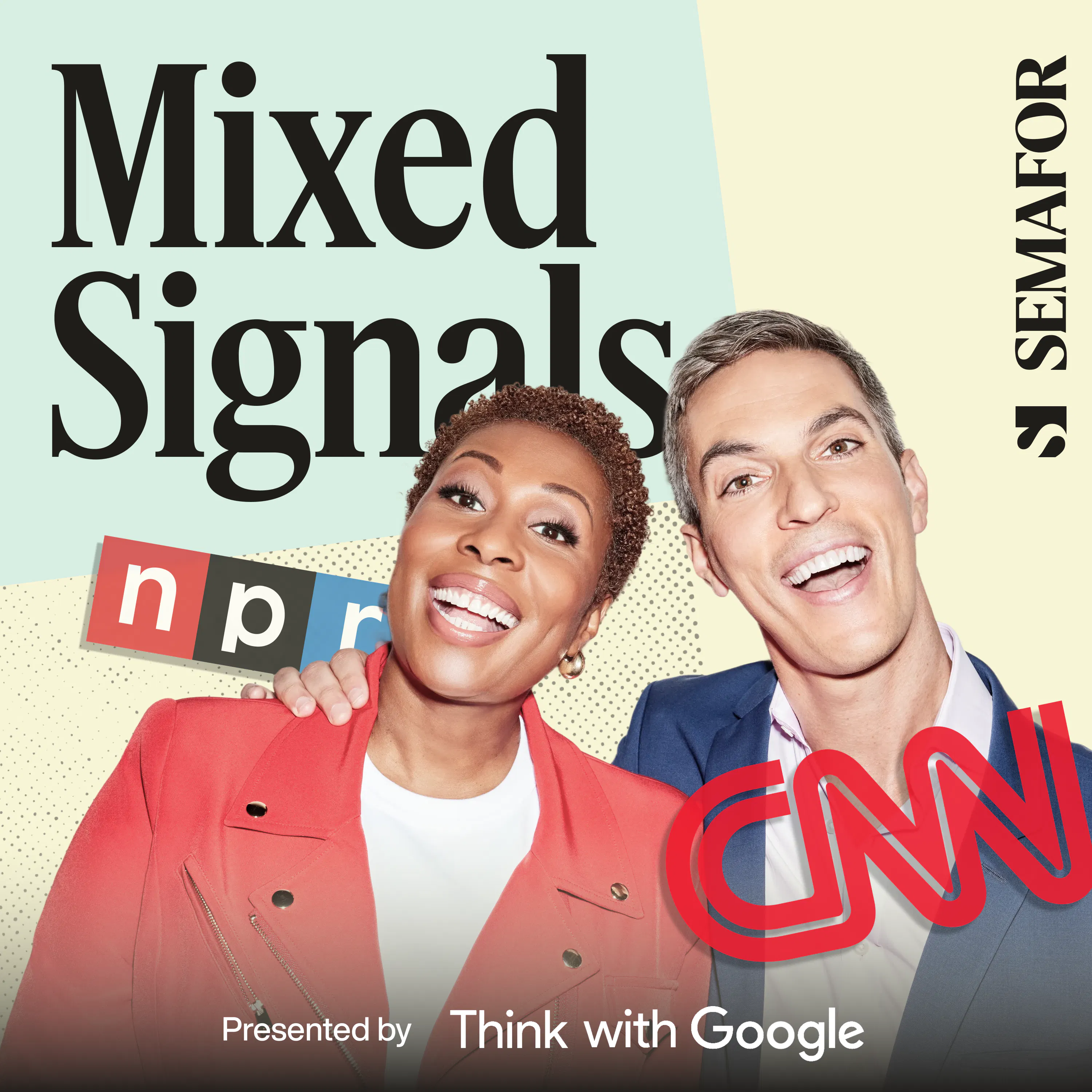
Ben Smith argues that journalists often mistakenly tiptoe around tough questions with CEOs and politicians. In reality, these leaders are eager to engage on the core challenges of their business, finding it more interesting than reciting canned anecdotes. Hard questions lead to better content.
The nature of citizen journalism is evolving. Previously focused on passively capturing and observing events, a new wave of creators is actively pursuing investigations and deep dives. This shift is fueled by new monetization paths on platforms like YouTube and X, enabling a sustainable model for independent exposes.
Former BBC CEO Deborah Turness warns that large media brands must learn from the creator economy. She urges them to stop "managing" the news and instead empower talent to build authentic, direct relationships with audiences, mirroring platforms like Substack and YouTube.

Unlike traditional media where reporters hide behind a brand, individual creators face direct audience feedback for errors. Harris embraces this 'cleansing fire,' using it to identify flaws and build more rigorous processes, like a public, time-coded bibliography for every video.

In a media landscape filled with branded content, the value of traditional journalism is that the subject cannot control the questions or edit the outcome. This lack of control is precisely what creates the 'external validation' that brands and leaders crave, as it is seen as more authentic by audiences.

Legacy media, like The Wall Street Journal, are hiring coaches to help reporters build personal brands. This mimics the success of social media creators who are displacing journalists on the press circuit for major celebrity and political interviews.
Ben Smith argues that while distribution channels (like social video) pull content towards polarization for maximum engagement, a quality media brand must build the discipline to resist this pull. The focus should be on the target audience's needs, not the platform's algorithm.
A power inversion is happening in media access. Politicians actively seek appearances on creator shows, known for softer content, while legacy news outlets struggle to get interviews. This highlights a strategic shift where politicians prioritize friendly mass reach over journalistic scrutiny.