Get your free personalized podcast brief
We scan new podcasts and send you the top 5 insights daily.
iCapital's CEO Lawrence Calcano consciously avoids the "disruptor" label. Instead, he frames the company as an "enabler" that helps existing ecosystem players like custodians and administrators achieve their goals. This collaborative approach is key to gaining traction in established, complex industries.

Related Insights
To navigate rapid technological shifts like AI and stablecoins, Mastercard's CEO champions a mindset of "constructive, competitive paranoia." This involves being hyper-aware of potential threats while proactively leaning into these discontinuities to discover and capitalize on new business opportunities.
Unlike competitors using crypto to operate outside regulatory frameworks, Kalshi's CEO views on-chain technology as a tool to enhance a regulated system. He envisions using it for clearing to improve immutability and transparency, enabling a permissionless ecosystem built upon a compliant foundation.

Circle's CEO sees the company not as a traditional financial institution, but as a platform business. The strategy is to build the developer stack (APIs, digital wallets, infrastructure) to grow the number of nodes, applications, and developers on the USDC network, creating a utility for money on the internet.

While AI can write code, Affirm CEO Max Levchin states it can't replicate the true moats of a fintech company. These include deep capital markets relationships, a full suite of money transmitter licenses (which take ~18 months to acquire), and years of building consumer trust.

The traditional separation between legacy banks and fintechs is ending. Banks must adopt fintech's user experience and efficiency, while leveraging their inherent advantages: a large client base and the capacity to manage complex, multi-product relationships. The winner will be a hybrid.

Unlike operating companies that seek consistency, VC firms hunt for outliers. This requires a 'stewardship' model that empowers outlier talent with autonomy. A traditional, top-down CEO model that enforces uniformity would stifle the very contrarian thinking necessary for venture success. The job is to enable, not manage.

Council Capital intentionally uses the term 'toolkits' instead of 'playbooks.' This reflects a collaborative philosophy of equipping portfolio companies with tools and resources to solve unique problems, rather than dictating a one-size-fits-all strategy.

For iCapital, an acquisition is not complete until both the technology and the people are fully integrated into a "one-eye capital" culture. The CEO emphasizes that people integration is even more critical than tech integration, as a failure on the cultural front means the entire acquisition fails.
Vest's co-founder explains their "Silicon Valley meets Wall Street" identity. They embrace Silicon Valley's grit and problem-solving focus but reject its "move fast and break things" mantra. In a highly regulated industry like finance, this hybrid approach is essential, prioritizing stability and client trust over reckless speed.
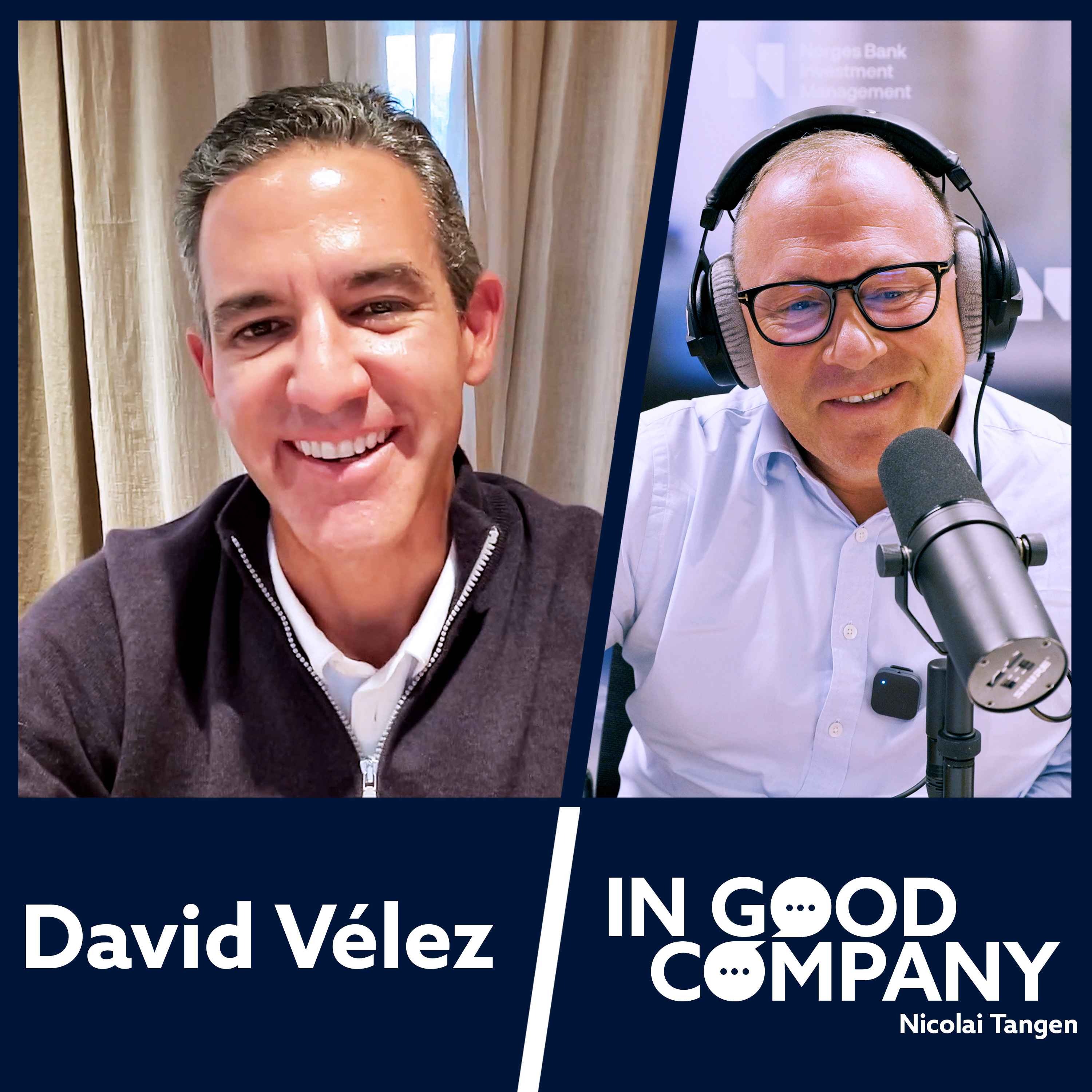
David Vélez uses the "First they ignore you, then they laugh at you, then they fight you, and then you win" framework to describe Nubank's journey. This provides a predictable roadmap for disruptors, helping them anticipate and navigate the evolving reactions from established players.