Get your free personalized podcast brief
We scan new podcasts and send you the top 5 insights daily.
In a rapidly accelerating market, the core VC function is distilled to its essence: identify companies with clear momentum and provide overwhelming capital to out-build competitors. Nuance gives way to decisive funding to fuel the 'compound startup' effect.

Related Insights
A VC's job isn't just funding a startup; it's building a company that will be attractive to its eventual "buyer": the public markets (IPO) or a strategic acquirer (M&A). This requires understanding Wall Street's valuation metrics from day one, even when the company is just "two people in a PowerPoint."

Echoing the Hippocratic Oath, a venture investor's primary job with a high-performing company is to stay out of the way and not disrupt its momentum. While providing resources for talent, capital, and strategy is valuable, it's secondary to the core principle of not interfering with a team that is already executing successfully.

A top-tier VC's primary value isn't just capital; it's the immediate credibility they lend to a startup that may not have earned it yet. This credibility is then 'harvested' to attract elite talent, future funding, and crucial brand momentum.
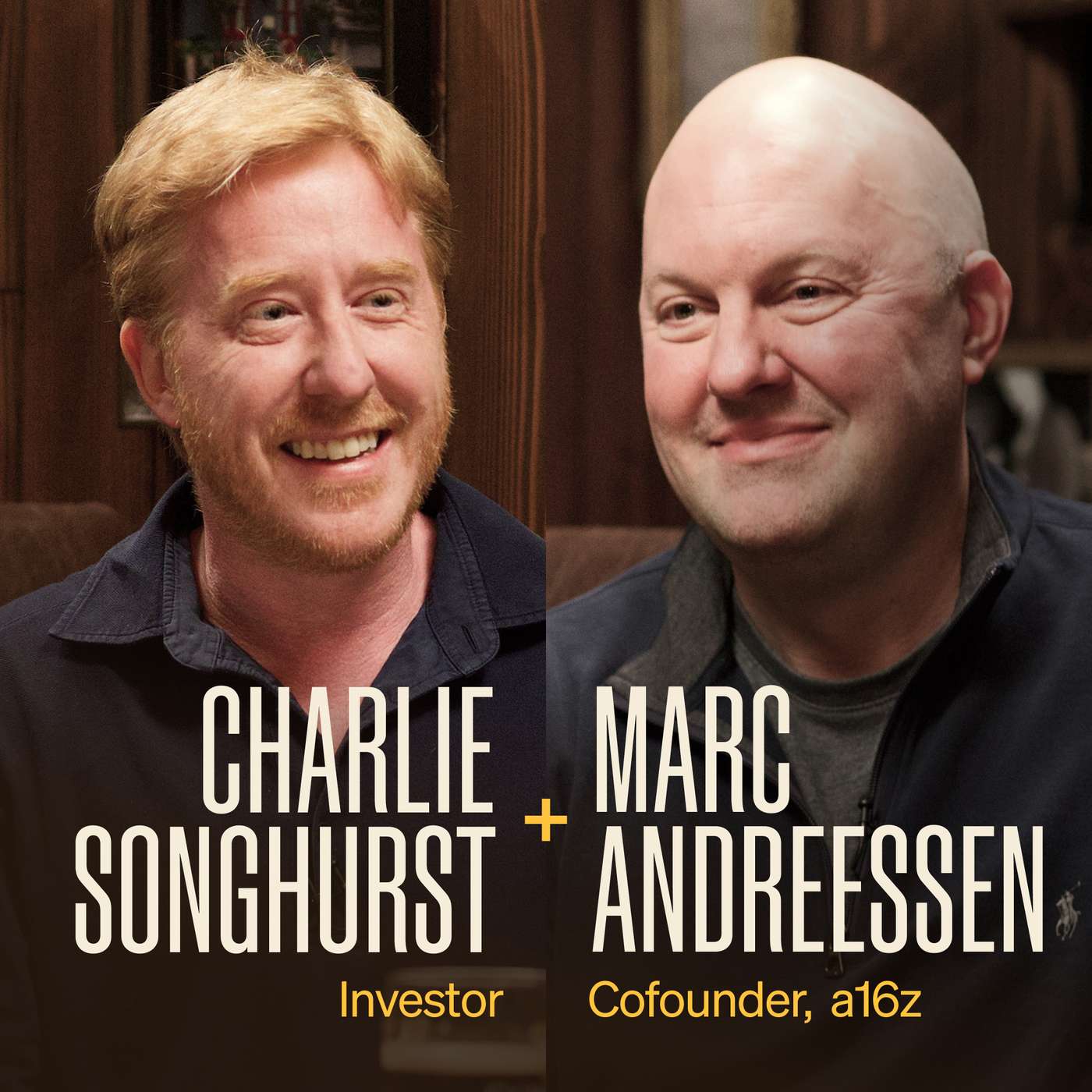
The VC model thrives by creating liquidity events (M&A, IPO) for high-growth companies valued on forward revenue multiples, long before they can be assessed on free cash flow. This strategy is a rational bet on finding the next trillion-dollar winner, justifying the high failure rate of other portfolio companies.

The hardest transition from entrepreneur to investor is curbing the instinct to solve problems and imagine "what could be." The best venture deals aren't about fixing a company but finding teams already on a trajectory to succeed, then helping change the slope of that success line on the margin.
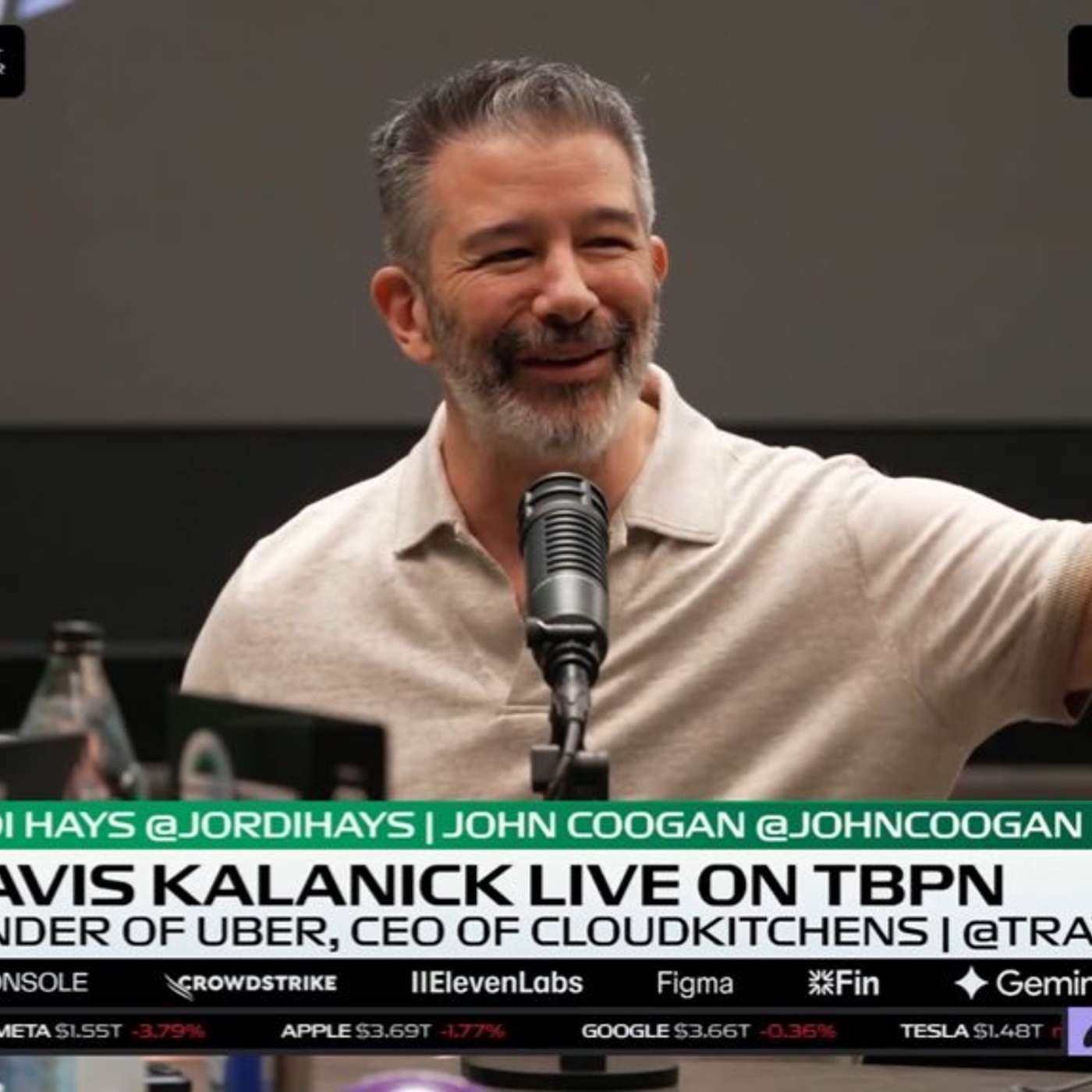
In hyper-competitive, winner-take-all markets like ride-sharing or AI, Kalanick argues that the ability to attract capital is itself a core competency and strategic weapon. Being the best at fundraising is as critical as having the best product, as capital enables scale and endurance against rivals.
Success in venture capital requires mastery of four distinct skills: securing quality Deal Flow, making sound investment Decisions, correctly Doubling Down on emerging winners, and engineering successful Distributions (exits). The last two are the most difficult and separate elite from average VCs.

For VCs, the most powerful force is inertia. When a formidable founder demonstrates tremendous, non-linear progress, the default assumption should be that this momentum will continue indefinitely. This mental model helps overcome the tendency to underestimate markets when faced with exceptional execution.

A startup's greatest superpower is being "legible to capital," where its vision and business model are so clear that investment is magnetically drawn to it. This requires the founder to embody the idea and frame the company as a simple equation where capital fuels super-linear growth.

True alpha in venture capital is found at the extremes. It's either in being a "market maker" at the earliest stages by shaping a raw idea, or by writing massive, late-stage checks where few can compete. The competitive, crowded middle-stages offer less opportunity for outsized returns.
