Get your free personalized podcast brief
We scan new podcasts and send you the top 5 insights daily.
Keir Starmer built his political identity on being a departure from scandal-plagued politics. By appointing Peter Mandelson, a figure with a long history of controversy, he created a self-inflicted wound that directly contradicts his core message. This demonstrates the high risk of associating with influential but tainted figures, regardless of their perceived abilities.

Related Insights
To frame the next election as a binary choice between his Labour party and the far-right Reform party, Prime Minister Keir Starmer is strategically complimenting the Conservative party. This unusual tactic aims to portray Reform as an extremist threat outside the political mainstream, thereby marginalizing the traditional opposition.

Public figures' careers follow a predictable arc of rise, excitement, and eventual controversy. Their survival depends on a simple equation: if the drama of their downfall is more interesting or valuable to the public than their actual contributions, their career is effectively over.

When scandals implicate leaders across the political spectrum, public trust in institutions collapses. This creates a vacuum that can only be filled by a new, trusted group of leaders and investigators, akin to "The Untouchables," who are perceived as incorruptible.

The controversy around David Sacks's government role highlights a key governance dilemma. While experts are needed to regulate complex industries like AI, their industry ties inevitably raise concerns about conflicts of interest and preferential treatment, creating a difficult balance for any administration.

Ideological loyalty is an illusion in politics. Once in power, parties will quickly abandon the very groups that propelled them there if it is politically expedient. Examples include the UK's Labour Party turning on unions and Democrats ignoring BLM after the 2020 election. Power, not principle, is the goal.

In Ukraine's corruption scandal, pressure is mounting on President Zelenskyy to fire his powerful, unelected chief of staff, Andrei Yermak. This highlights how such "gatekeeper" advisors can become political liabilities and scapegoats, embodying systemic issues and absorbing public anger meant for the administration.
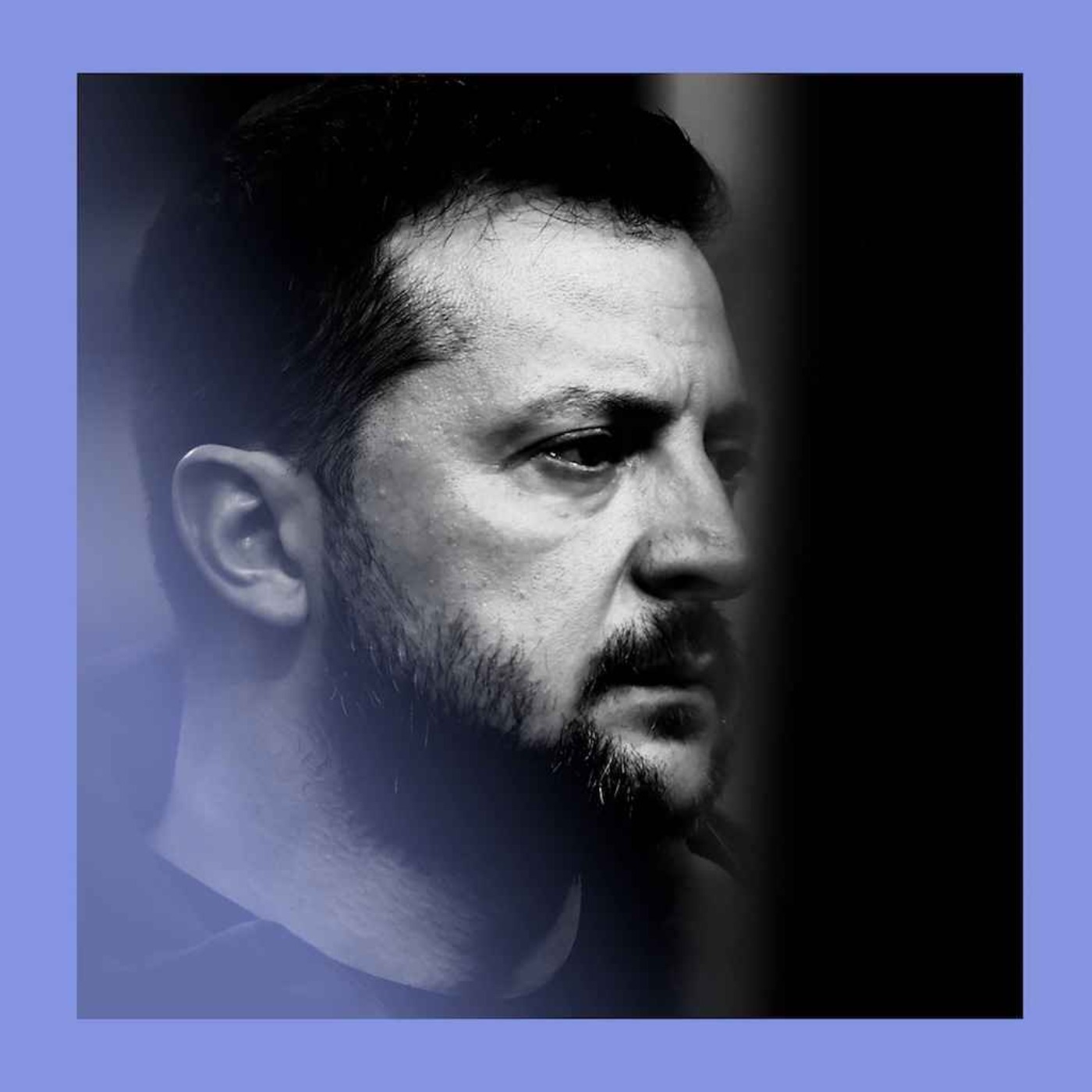
Directly attacking a charismatic leader can backfire due to personal loyalty. A more effective political strategy is to target their key advisors. Removing controversial figures can weaken the leader's power structure, as it is easier to build consensus against "bad actors" than the principal.

Citing Tim Cook's sycophantic White House appearance, Scott Galloway argues that a leader's final actions are what people remember most. Just as with a divorce or leaving a party, being principled at the end is crucial. A late-career misstep can tarnish decades of success.

Despite accurately identifying severe economic and social challenges facing Britain, Keir Starmer's Labour government has proposed policies considered too small and shallow. There is a significant mismatch between the gravity of his diagnosis and the scale of his proposed solutions, leading to criticism that his administration is not meeting the moment.
Modern elections often present voters with a difficult choice akin to the trolley problem. They must weigh a candidate's perceived moral failings against the potential for devastating economic or social consequences from their opponent's policies, forcing a choice between two bad outcomes.