Get your free personalized podcast brief
We scan new podcasts and send you the top 5 insights daily.
With traditional news models broken, investigative journalism's future may lie with independent creators. Platforms like YouTube and X now offer monetization for this high-risk content. While lacking institutional support like legal teams, these solo journalists can build a direct audience and sustainable business, disrupting a struggling industry.

Related Insights
Journalists known for breaking a few big stories a year at established outlets find the independent model challenging. A subscription business demands consistent value, but the time required for sales, marketing, and administration detracts from the deep-dive reporting needed for major scoops, creating a difficult trade-off.

Cleo Abram's channel "Huge If True" proves a large, untapped market exists for optimistic content. She went independent from Vox to tell stories about positive technological progress, discovering millions who were similarly fatigued by media's dominant pessimistic narrative.

The company Anti-Fraud pioneers a "Snitching as a Service" model where it only earns revenue when its AI-powered investigations lead to government recovery from corporate fraud. This whistleblower-driven approach perfectly aligns incentives and provides a sustainable financial path for investigative journalism, an industry that has struggled with traditional advertising and subscription models.

Shirley's journey from prank videos to exposing massive government fraud demonstrates a new career path forged by the creator economy. This model allows independent journalists to bypass traditional media gatekeepers, build a direct audience, and establish a self-funded model for serious reporting.
Content creators can increase revenue by moving along a spectrum of monetization models, from low-risk affiliates and sponsorships to higher-risk, higher-reward options like white-labeling, taking equity in partner brands, and finally, owning their own product.

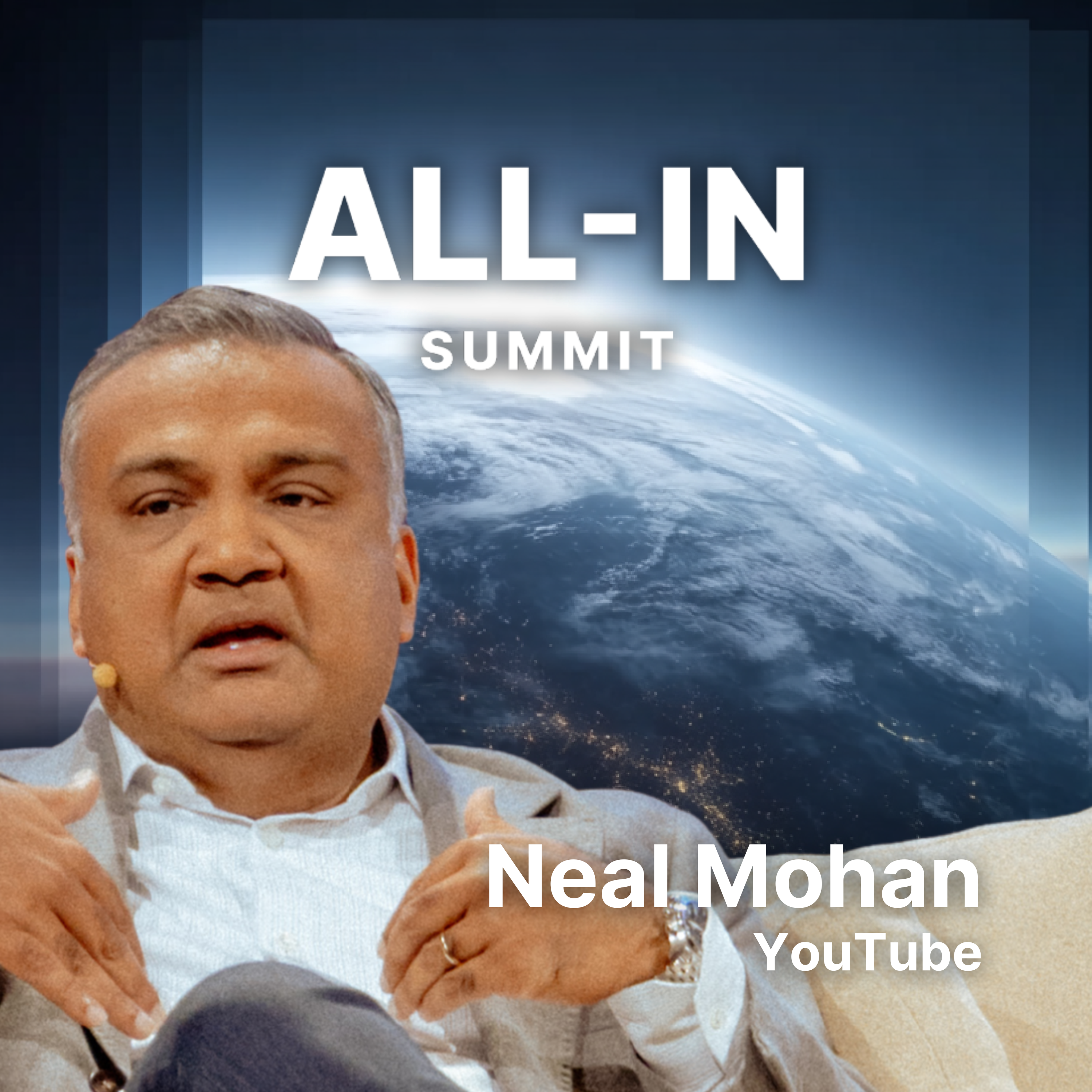
Neal Mohan defends YouTube's revenue split by positioning it as a model where creators bet on their own growth, contrasting with traditional media's upfront payments. For top creators who self-monetize, he frames this as a flexible choice, not a platform weakness, allowing them to select the model that best suits their business.
The most successful YouTube content has shifted beyond simply providing information (like a history lesson) or grabbing attention (like a viral stunt). The current meta demands a unique creator perspective. Audiences now seek out a trusted personality's specific point of view, making it the key to longevity.
ChinaTalk, with a staff of five and a ~$500K budget, achieved nearly double the subscribers (65,000) of a competitor think tank with a reported $20M budget and 30 staff. This highlights the efficiency and reach of modern, creator-led media models compared to traditional institutions.

Before taking a buyout from USA Today, Jefferson Graham ran his "Photo Walks TV" YouTube channel as a side project for two years. This incubation period allowed him to test the concept, build a small content library, and establish a foundation, making the leap to a full-time creator career significantly less risky.

In the creator economy, success isn't always defined by venture-backed growth. Many top creators intentionally cap their audience size and reject outside investment to maintain full control over their business and content, defining success as a sustainable, manageable enterprise rather than a unicorn.
