Get your free personalized podcast brief
We scan new podcasts and send you the top 5 insights daily.
A carpet brand shattered the industry belief that sales are driven by price and practicality. By understanding their core customer (women) was driven by color, they designed a display mimicking a cosmetics counter, focusing on emotion and aesthetics. This single change, with no other variables, increased sales by 350% in six weeks.

Related Insights
In a study, subtle gray tape lines on a gray carpet—consciously unnoticed by shoppers—steered 18% of them into a target aisle, up from just 4% before. This shows that retailers can use almost invisible environmental cues to powerfully manipulate shopper behavior and store pathing without their awareness.

Sephora combats intense competition by applying a "game of inches" philosophy to its physical retail space. Every section, from teen-focused fragrance displays to strategically placed checkout-line minis, is optimized to sell. This meticulous space utilization creates a highly profitable, frictionless customer experience without any "wasted" space.

Pantone's annual color selection is more than an aesthetic prediction; it's a powerful business driver. By declaring a trend, Pantone influences designers and retailers, leading to a surge in products of that color. This creates a self-fulfilling prophecy where the prediction itself generates double-digit sales growth for the chosen hue.
To create deep emotional connections and drive behavior, systematically engage customers' senses, especially smell. IKEA, a non-luxury brand, deliberately appeals to all five senses (e.g., smell of meatballs, touching fabrics) to drive impulse buys, proving this strategy works for any business.

Marketers over-index on visuals, but other senses are more powerful. The brain processes sound 1,000 times faster than images, making audio branding potent. Scent is our most primal sense, bypassing logic to connect directly with deep memories and emotions, capable of boosting sales by 41% without the shopper even noticing.

In a study, a faint chocolate smell was pumped into a store. While none of the 105 shoppers interviewed afterward consciously noticed the scent, the featured chocolate brand's share jumped by 41%. This demonstrates that subconscious sensory cues can bypass rational thought and directly influence purchasing decisions.

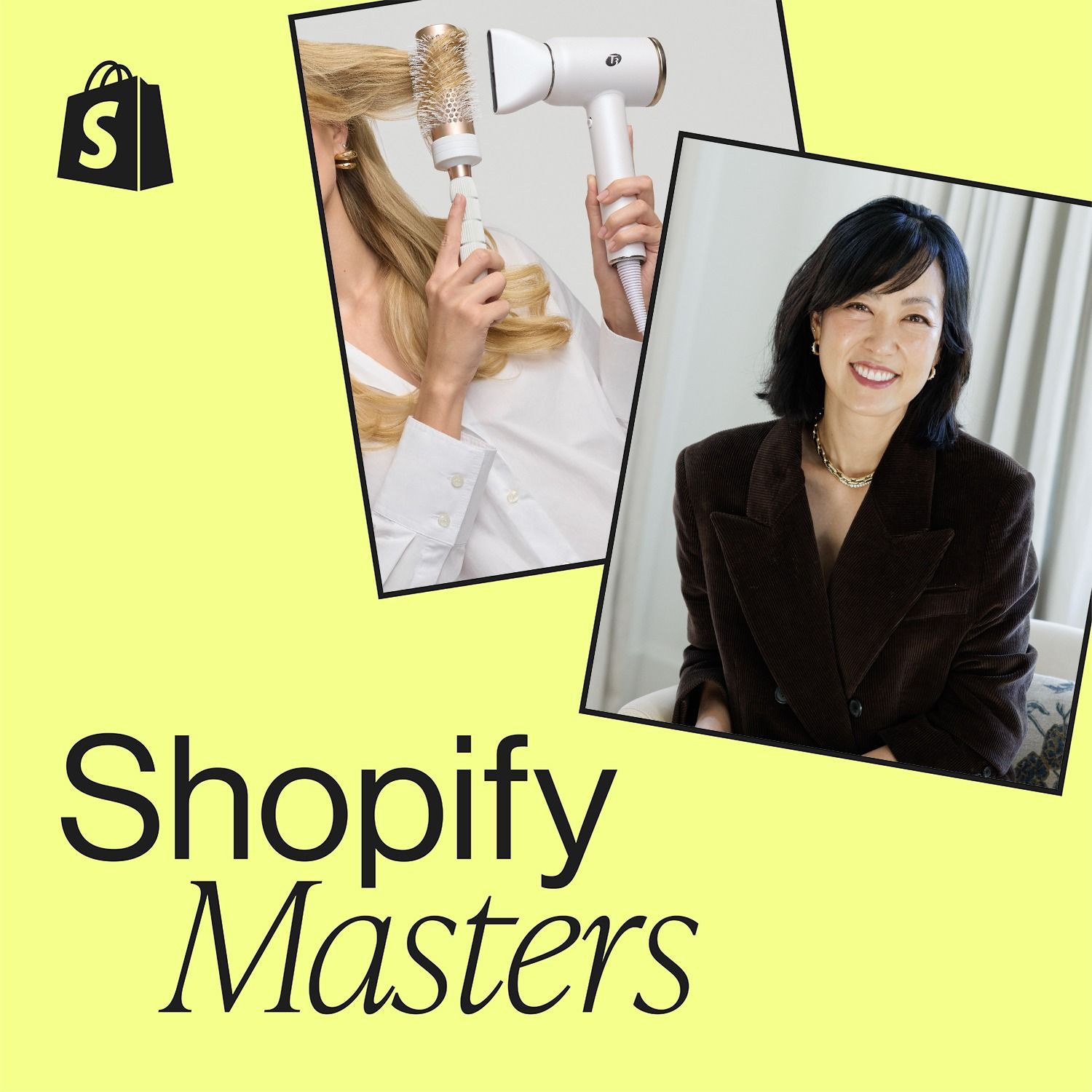
T3 redefined the hair tool category by moving its products from the home appliance section to the beauty floor. By insisting on placement next to high-end skincare and cosmetics in retailers like Nordstrom, they changed consumer perception, justified a premium price, and created an entirely new market segment.
Changing ingrained consumer behavior is incredibly difficult. A more effective strategy is to understand the customer's current world—how they shop and where they look for products—and insert your brand into those existing patterns rather than attempting to create entirely new behaviors from scratch.

Gymshark's key product differentiator wasn't just performance, but aesthetics. They obsessed over creating 'physique accentuating' fits that made customers look and feel better. This tapped into the core emotional motivation of their gym-going audience, creating a stronger brand connection than purely functional apparel.
An insight that men bought carpets based on durability was wrong. Women were the primary buyers, and their top criterion was color. By redesigning the retail space to emulate a makeup counter—with softer lighting, curves, and lifestyle imagery—sales skyrocketed 350% in six weeks.