Get your free personalized podcast brief
We scan new podcasts and send you the top 5 insights daily.
A high-profile department led by Elon Musk publicly dismantled agencies to 'save' money. Simultaneously, the administration passed a massive spending bill that added trillions to the national debt. This tactic uses a popular, visible initiative (cutting waste) to distract from a much larger, contradictory action (increasing debt).

Related Insights
Republicans and Democrats contribute equally to the nation's fiscal crisis via different tactics. Republicans gut the IRS and cut taxes while Democrats expand spending. Both actions are popular with their respective bases and donors but push the country closer to bankruptcy.

Despite dismantling traditional aid programs to save taxpayer money, Trump's new strategy of bailing out allies, countering China, and securing supply chains is projected to be incredibly expensive. This new approach of weaponized aid could ultimately exceed previous USAID spending levels, contradicting its cost-saving premise.

A mandate for government-accessible kill switches in all new vehicles was passed within a massive appropriations bill. This legislative tactic is used to push through controversial measures with little public debate, as they are bundled with essential government funding.

Congress passed a budget exceeding the White House's request, demonstrating a bipartisan willingness to accelerate spending. The political fear of a government shutdown has become a greater motivator than achieving fiscal responsibility or a balanced budget, pushing the country closer to bankruptcy.
Large, ongoing fiscal deficits are now the primary driver of the U.S. economy, a factor many macro analysts are missing. This sustained government spending creates a higher floor for economic activity and asset prices, rendering traditional monetary policy indicators less effective and making the economy behave more like a fiscally dominant state.

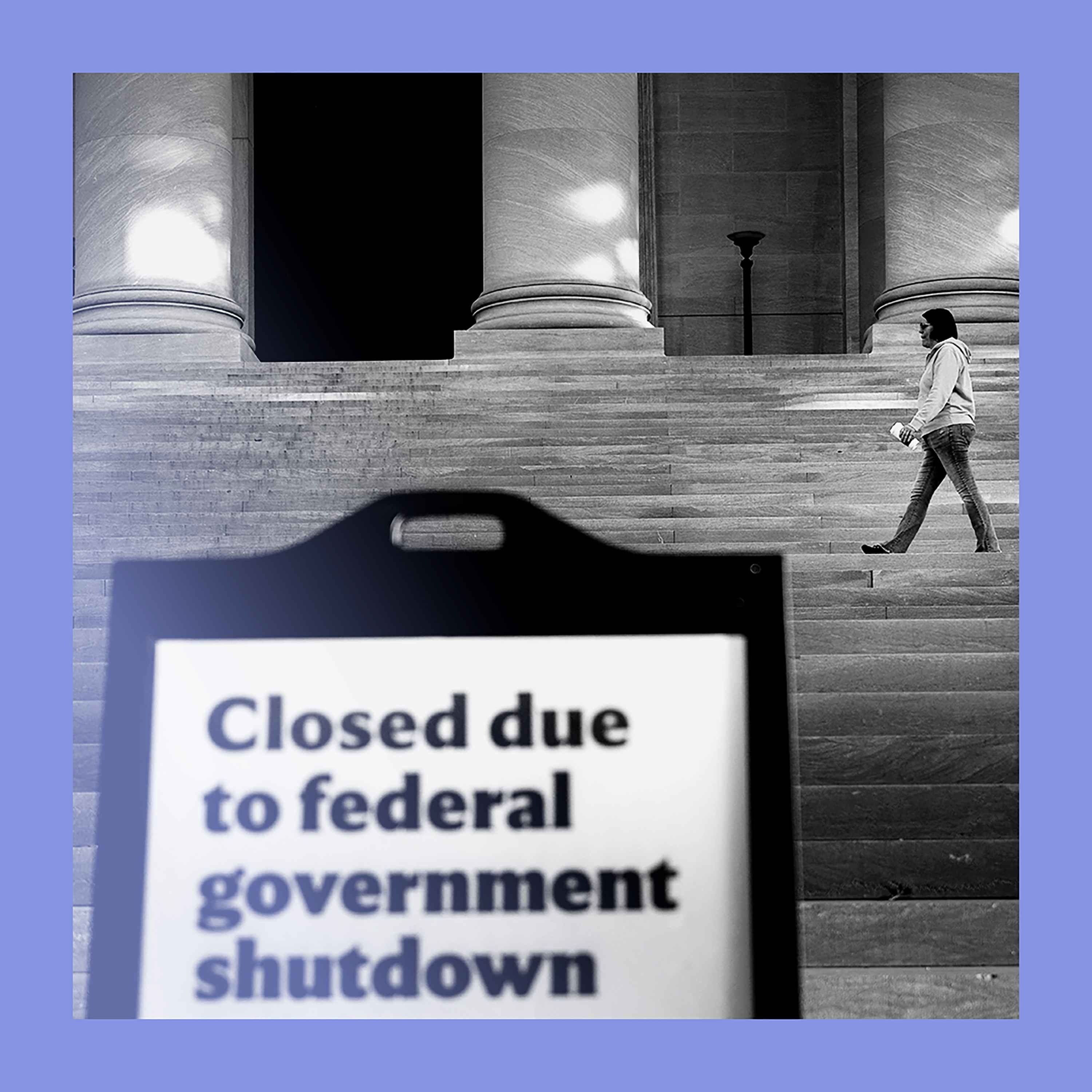
A major government shutdown was made "oddly tolerable" and politically sustainable because the administration creatively repurposed funds to keep key services paid. This selective funding of the military and homeland security masked the shutdown's full extent, reducing immediate public pressure for a resolution and allowing the impasse to continue.
A government can artificially inflate its jobs numbers and GDP by going on a hiring spree for bureaucratic roles. This growth is illusory, or "phantom," as it's funded by printing money and doesn't contribute to the productive economy. It creates positive short-term metrics but fosters long-term inefficiency.

To combat waste, government agencies can adopt a 'zero-baseline' approach similar to Elon Musk canceling all corporate credit cards at Twitter. This forces all payees to re-justify their services, immediately exposing fraudulent or unnecessary auto-payments.

Political debates about raising taxes are a distraction from massive government inefficiency. With up to 10% of the federal budget—over $500 billion annually—lost to fraud, waste, and abuse, any new revenue will just feed a broken system. The first step must be plugging the leak.

The focus on "the wealthy not paying their fair share" distracts from the primary mechanism eroding middle-class wealth: government deficit spending. This necessitates money printing, which devalues the savings of ordinary people and drives up asset prices, benefiting asset owners at the expense of savers.