Get your free personalized podcast brief
We scan new podcasts and send you the top 5 insights daily.
Congress passed a budget exceeding the White House's request, demonstrating a bipartisan willingness to accelerate spending. The political fear of a government shutdown has become a greater motivator than achieving fiscal responsibility or a balanced budget, pushing the country closer to bankruptcy.

Related Insights
Republicans and Democrats contribute equally to the nation's fiscal crisis via different tactics. Republicans gut the IRS and cut taxes while Democrats expand spending. Both actions are popular with their respective bases and donors but push the country closer to bankruptcy.

Political gridlock is portrayed as an intentional strategy. By creating a temporary economic downturn via a shutdown, the administration creates fiscal and monetary space to inject massive stimulus leading into midterm elections, timing the recovery for political gain.

With a September 30th budget deadline looming, the government needs Democratic votes to avoid a shutdown. Democrats are leveraging this necessity by demanding a rollback of Republican healthcare cuts as the price for their cooperation, showcasing a hardball negotiation tactic in a divided government.

Regardless of the national deficit, expect more fiscal stimulus as politicians prioritize winning elections. The need to address voter concerns about 'affordability' ahead of midterms will drive spending, creating a 'run it hot' environment favorable to hard assets.

Unlike most countries that fund legislation upon passing it, the U.S. Congress passes laws first and separately debates funding later. This fundamental disconnect between approving work and approving payment is a structural flaw that repeatedly manufactures fiscal crises and government shutdowns.

In a democracy with massive debt, reckless government spending becomes inevitable. The electorate will consistently vote for short-term relief (money printing, free programs) over the long-term pain of austerity, making fiscal irresponsibility a predictable outcome of human nature.

Large, ongoing fiscal deficits are now the primary driver of the U.S. economy, a factor many macro analysts are missing. This sustained government spending creates a higher floor for economic activity and asset prices, rendering traditional monetary policy indicators less effective and making the economy behave more like a fiscally dominant state.

Politicians choose rate cuts because balancing the budget is politically unpopular and would trigger an immediate economic crisis. By lowering rates, they can "kick the can down the road," making massive government debt refinancing manageable. This intentionally fuels an "everything bubble" in assets as a preferable alternative to politically unpalatable fiscal responsibility.

A major government shutdown was made "oddly tolerable" and politically sustainable because the administration creatively repurposed funds to keep key services paid. This selective funding of the military and homeland security masked the shutdown's full extent, reducing immediate public pressure for a resolution and allowing the impasse to continue.
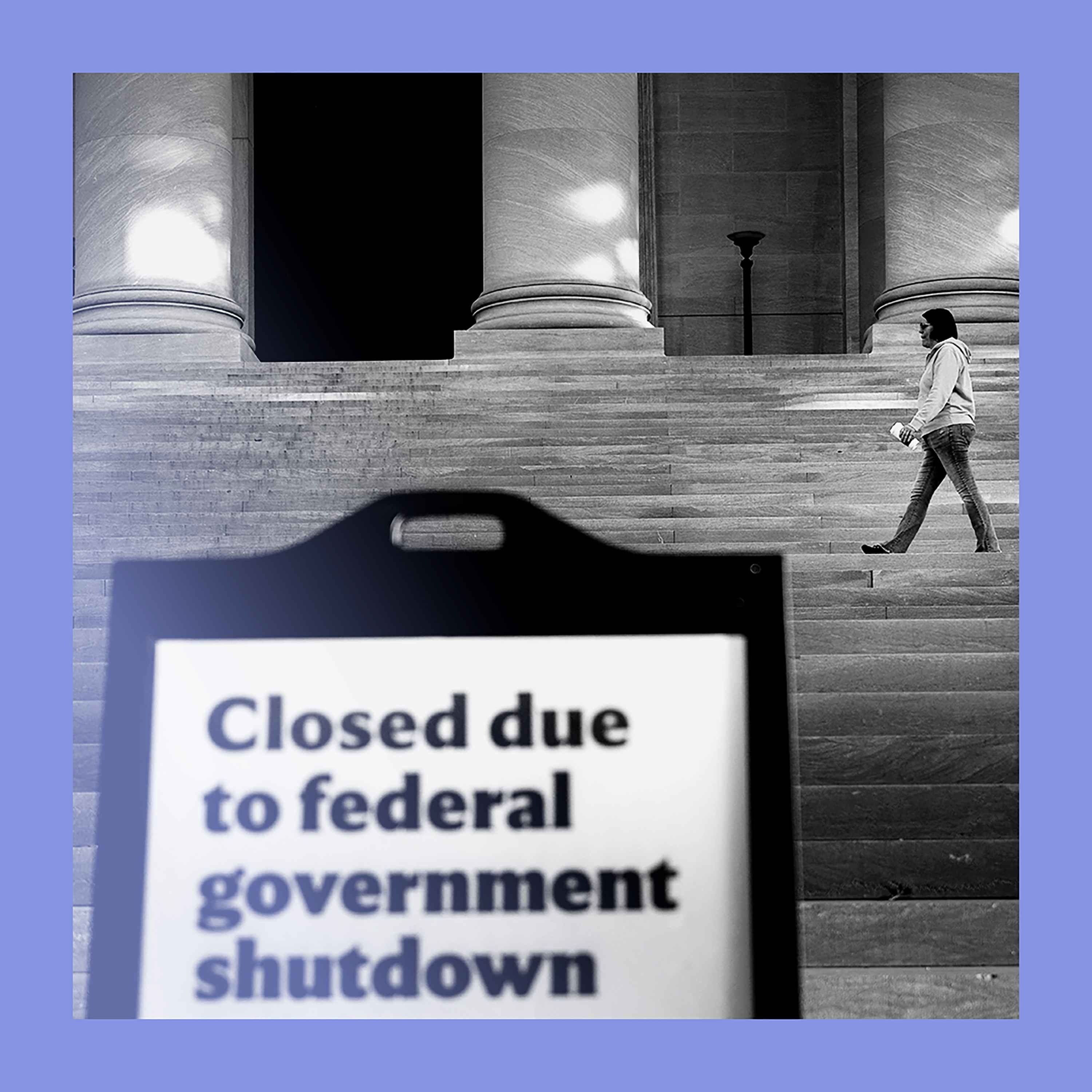
Previously, the party in power was blamed for government shutdowns, creating an incentive to resolve them quickly. In today's hyper-partisan environment, this feedback loop is broken. Blame is diffused, and parties no longer face the same immediate political consequences, leading to longer and more frequent shutdowns.