Get your free personalized podcast brief
We scan new podcasts and send you the top 5 insights daily.
To combat waste, government agencies can adopt a 'zero-baseline' approach similar to Elon Musk canceling all corporate credit cards at Twitter. This forces all payees to re-justify their services, immediately exposing fraudulent or unnecessary auto-payments.

Related Insights
The company Anti-Fraud pioneers a "Snitching as a Service" model where it only earns revenue when its AI-powered investigations lead to government recovery from corporate fraud. This whistleblower-driven approach perfectly aligns incentives and provides a sustainable financial path for investigative journalism, an industry that has struggled with traditional advertising and subscription models.

The government's standard procedure is to disburse funds and attempt to recover improper payments later—a highly inefficient process that costs hundreds of billions annually. A more effective system would require real-time prepayment verification, defaulting to "no pay" if eligibility cannot be confirmed, preventing fraud before it occurs.

Treat government programs as experiments. Define success metrics upfront and set a firm deadline. If the program fails to achieve its stated goals by that date, it should be automatically disbanded rather than being given more funding. This enforces accountability.

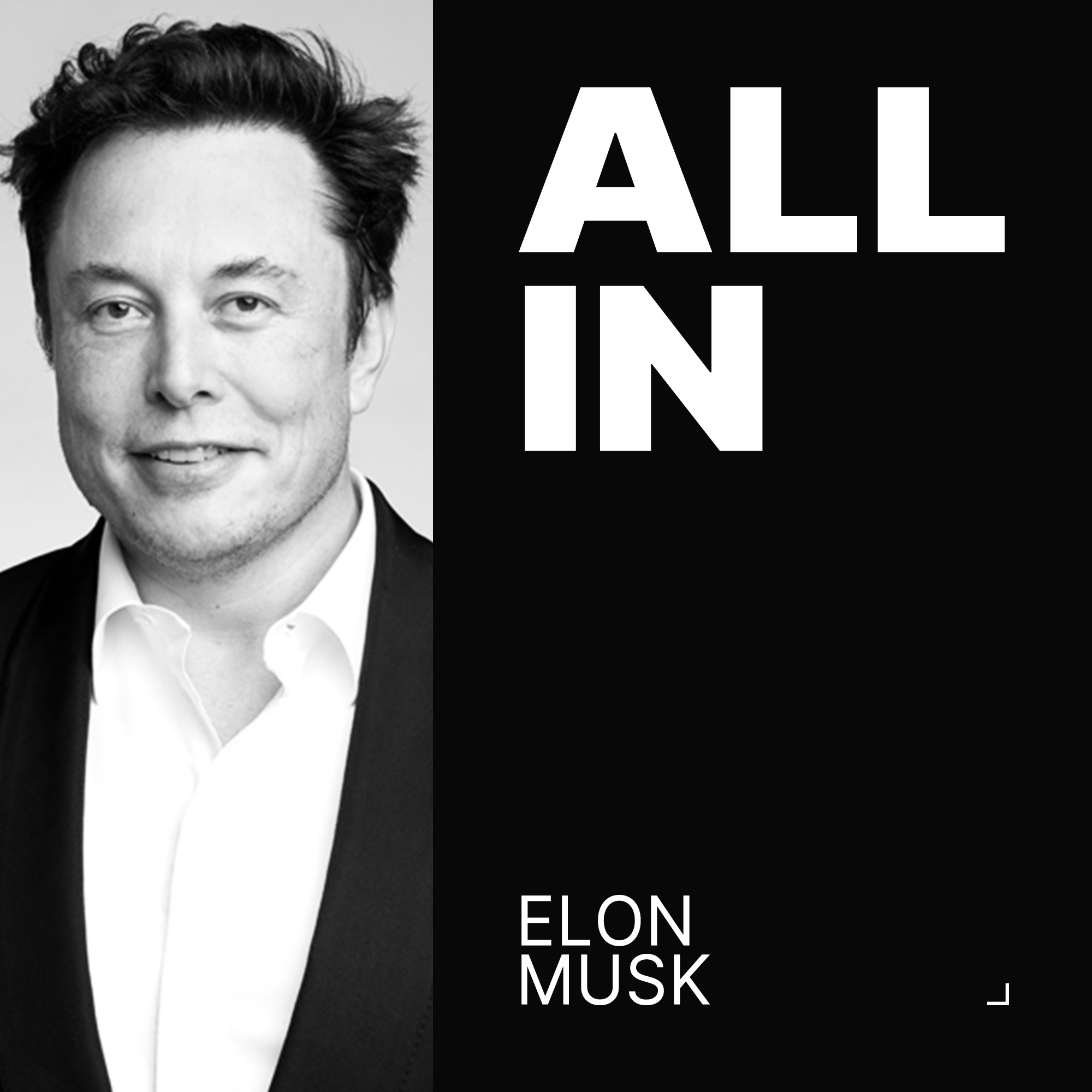
Elon Musk discovered extreme corporate waste after acquiring Twitter, including paying for software to analyze pedestrian traffic in an abandoned building and supplying tampons to the men's restroom in that same building for years.
Instead of a moral failing, corruption is a predictable outcome of game theory. If a system contains an exploit, a subset of people will maximize it. The solution is not appealing to morality but designing radically transparent systems that remove the opportunity to exploit.

Anduril advocates for performance-based contracts, a controversial model in government where payment is contingent on the product working. This forces internal accountability and aligns their interests with the customer's, contrasting with traditional cost-plus models that place all risk on the government.
Contrary to its reputation, zero-based budgeting frees marketers from historical spending patterns. It forces a fundamental re-evaluation of tactics against objectives, often leading to smarter, more effective plans that may even require increased investment.

A significant source of waste stems from "zombie payments"—recurring government funds that continue indefinitely without review. When the official who authorized the payment leaves, retires, or dies, there is often no system to shut it off, creating a perpetual drain of funds to companies or individuals who rarely report it.
In response to a widespread fraud scandal, Minnesota froze all childcare funding and now requires businesses to actively prove they are legitimate to have it restored. This "prove-it-to-get-it-back" model acts as a powerful purge of fraudulent actors, underscored by the fact that no businesses had yet reapplied.

Flawed Social Security data (e.g., listing deceased individuals as alive) is used to fraudulently access a wide range of other federal benefits like student loans and unemployment. The SSA database acts as a single point of failure for the entire government ecosystem, enabling what Elon Musk calls "bank shot" fraud.