Get your free personalized podcast brief
We scan new podcasts and send you the top 5 insights daily.
A mandate for government-accessible kill switches in all new vehicles was passed within a massive appropriations bill. This legislative tactic is used to push through controversial measures with little public debate, as they are bundled with essential government funding.

Related Insights
Political discourse often fixates on emotionally charged, minor components of legislation (like the 10% of a healthcare bill for immigrants) to control the narrative and divert public attention from the larger, more complex financial or policy implications that affect the other 90%.

To prevent political stalemates from causing prolonged government shutdowns, a mechanism could automatically reopen government after a set period. This 'dead hand switch' would trigger pre-agreed, across-the-board budget cuts, forcing politicians to negotiate in good faith to avoid an automated outcome that neither side fully controls.

Government programs often persist despite failure because their complexity is a feature, not a bug. This system prevents average citizens, who are too busy with their lives, from deciphering the waste and holding the "political industrial complex" accountable, thereby benefiting those in power.

New York employs a unique legislative process called "chapter amendments," where the governor can negotiate changes to a bill with its sponsors *after* it has passed the legislature. This allows for post-passage adjustments, with about a third of signed bills going through this process.

Unlike most countries that fund legislation upon passing it, the U.S. Congress passes laws first and separately debates funding later. This fundamental disconnect between approving work and approving payment is a structural flaw that repeatedly manufactures fiscal crises and government shutdowns.

Congress uses its spending power to enact policies in areas where it lacks direct authority, like education or local transport. By offering "conditional spending," it creates powerful incentives for states to comply with federal standards to receive necessary funds.
Introducing legislation in Congress isn't always about immediate passage. Bills frequently function as messaging vehicles to build awareness and support for an idea over several congressional terms. This gradual process allows for the evolution of major policy, like the creation of new government agencies, which rarely happens in a single two-year cycle.
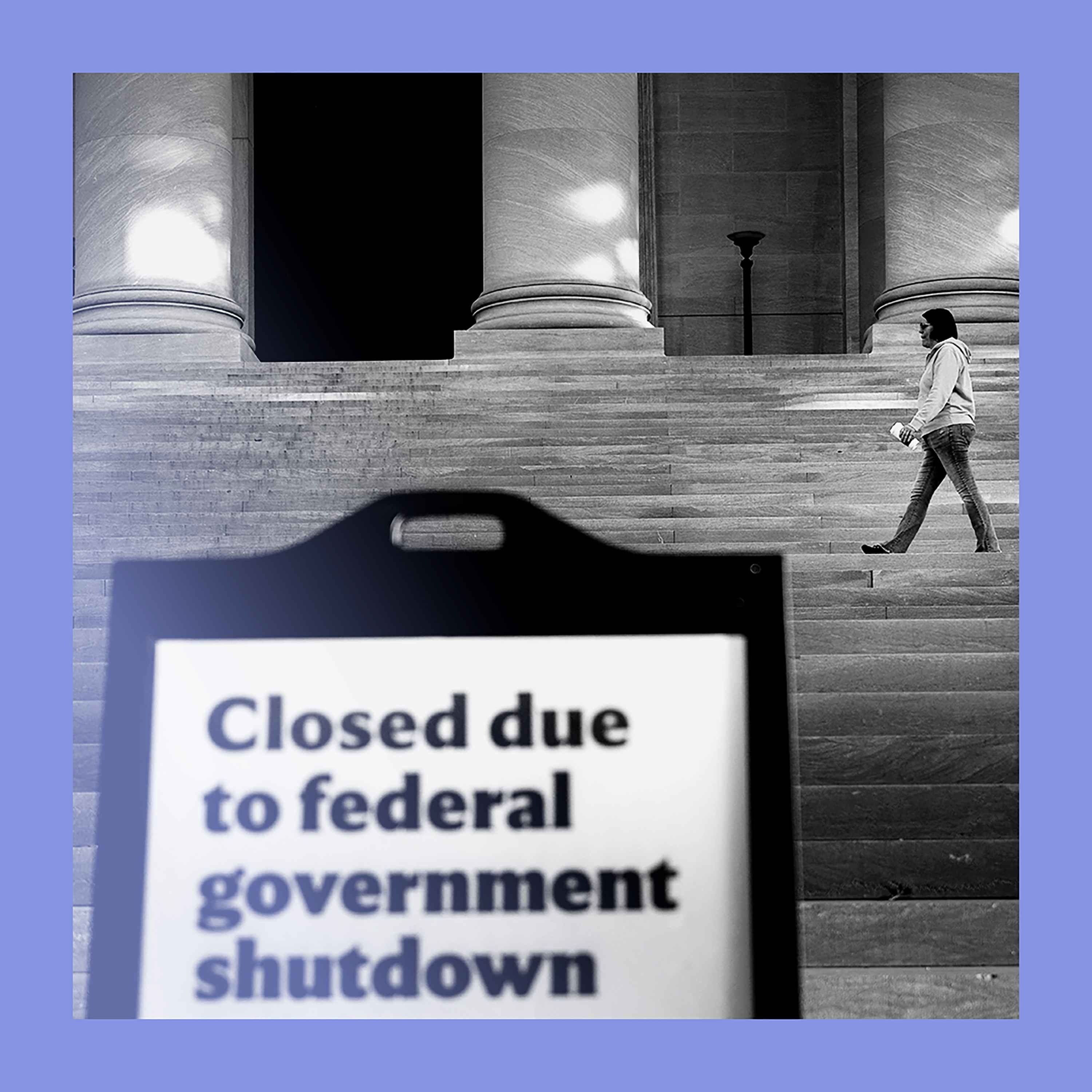
A major government shutdown was made "oddly tolerable" and politically sustainable because the administration creatively repurposed funds to keep key services paid. This selective funding of the military and homeland security masked the shutdown's full extent, reducing immediate public pressure for a resolution and allowing the impasse to continue.
The Epstein Transparency Act passed with near-unanimous, immediate support because voting against it has terrible optics. This contrasts with typical legislative delays, revealing how politicians prioritize public perception and speed when the "right" side of an issue is obvious to voters.

Advocating for a single national AI policy is often a strategic move by tech lobbyists and friendly politicians to preempt and invalidate stricter regulations emerging at the state level. Under the guise of creating a unified standard, this approach effectively ensures the actual policy is weak or non-existent, allowing the industry to operate with minimal oversight.
