Get your free personalized podcast brief
We scan new podcasts and send you the top 5 insights daily.
Ilya Sutskever's candid, unscripted awe at AI's reality ('it's all real') was more powerful than any prepared statement. It confirmed he's a true believer, not a cynical opportunist, which is a crucial trust signal for leaders in high-stakes industries like AI.

Related Insights
Historically, we trusted technology for its capability—its competence and reliability to *do* a task. Generative AI forces a shift, as we now trust it to *decide* and *create*. This requires us to evaluate its character, including human-like qualities such as integrity, empathy, and humility, fundamentally changing how we design and interact with tech.

In a world of AI-generated content, true expertise is proven by the ability to answer spontaneous, unscripted questions on a topic for an extended period. This demonstrates a level of domain mastery and authenticity that AI cannot replicate, building genuine trust with an audience.

In the age of AI, the new standard for value is the "GPT Test." If a person's public statements, writing, or ideas could have been generated by a large language model, they will fail to stand out. This places an immense premium on true originality, deep insight, and an authentic voice—the very things AI struggles to replicate.

Mark Zuckerberg's evolution from a highly media-trained, scripted persona to an authentic public figure shows that the old playbook of message control is dead. The market now rewards leaders who are transparent and genuine ("this is me, deal with it"), even if they are less polished. Synthetically generated authenticity is easily spotted and rejected.
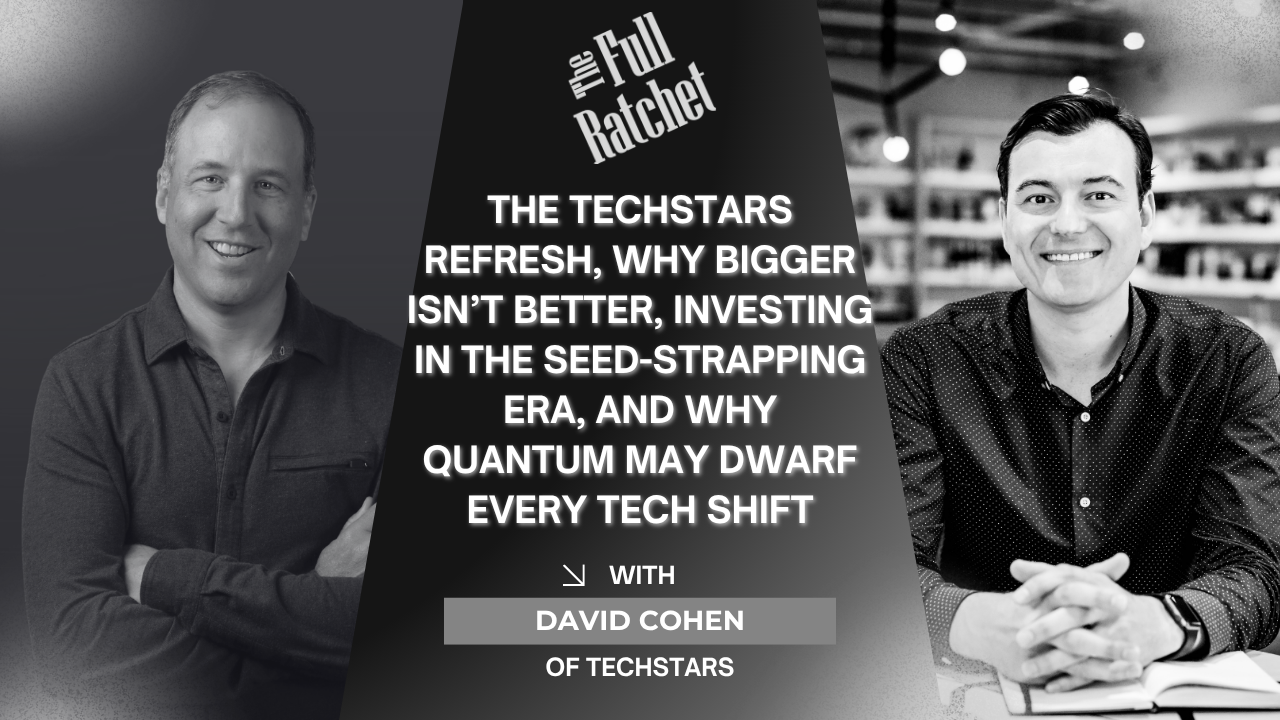
According to Techstars' CEO David Cohen, standout AI companies are defined by their leadership. The CEO must personally embody an "AI-first" mindset, constantly thinking about leverage and efficiency from day one. It's not enough to simply lead a team of engineers who understand AI; the strategic vision must originate from the top.
In high-visibility roles, striving for perfect communication is counterproductive. Mistakes are inevitable. The key to credibility is not avoiding errors, but handling them with authenticity. This display of humanity makes a communicator more relatable and trustworthy than a polished but sterile delivery.

A successful startup often resembles a cult, requiring a leader who communicates their vision with unwavering, first-person conviction. Hiding the founder behind polished PR spokespeople is a mistake; it neuters the contagious belief required to recruit talent and build a movement against impossible odds.

Dr. Fei-Fei Li asserts that trust in the AI age remains a fundamentally human responsibility that operates on individual, community, and societal levels. It's not a technical feature to be coded but a social norm to be established. Entrepreneurs must build products and companies where human agency is the source of trust from day one.
The rise of LLMs creates a new bar for leadership communication: the "GPT test." If a public figure's statements or writings are indistinguishable from what ChatGPT could generate, they will fail to build an authentic brand. This forces a shift towards genuine originality and unpolished thought.
People connect with humanity, not perfection. True leadership requires understanding your own narrative, including flaws and traumas. Sharing this story isn't a weakness; it's the foundation of the connection and trust that modern teams crave, as it proves we are all human.