Get your free personalized podcast brief
We scan new podcasts and send you the top 5 insights daily.
The current level of hyper-partisanship is not a recent phenomenon but the culmination of a continuous, 40-year decline in public trust across all major institutions, including government, media, and church. Trust was significantly higher even during past national traumas like the assassinations of the 1960s and Watergate.
Related Insights
The perception of the DOJ as a political tool is no longer a one-sided complaint. Republicans cite prosecutions of figures like Steve Bannon, while Democrats point to Trump's direct influence on indictments. This shared belief from both sides of the aisle is causing a complete erosion of the institution's credibility as an independent body.
Cable news and social media don't show the average person who votes differently. They blast the loudest, most cartoonish "professional lunatics" from the opposing side. This creates a false impression that the entire opposition is extreme, making tribalism seem rational.

Instead of incremental shifts around a moderate center (e.g., between 4 and 6 on a dial), US policy now swings violently between ideological extremes (3 and 9). This dynamic makes stable, consensus-based governance on issues like immigration nearly impossible.

As the general public tunes out of daily politics, the remaining participants are the most extreme, creating an "evaporative cooling" effect. This leaves a small, hyper-engaged, and radicalized group to dominate political platforms, distorting the perception of public sentiment.
A deep distrust of the bipartisan "neoliberal consensus" has made many young people receptive to any counter-narrative, whether from the left or right. This creates a powerful anti-establishment bloc that finds common ground in opposing the status quo, explaining the crossover appeal of populist figures.

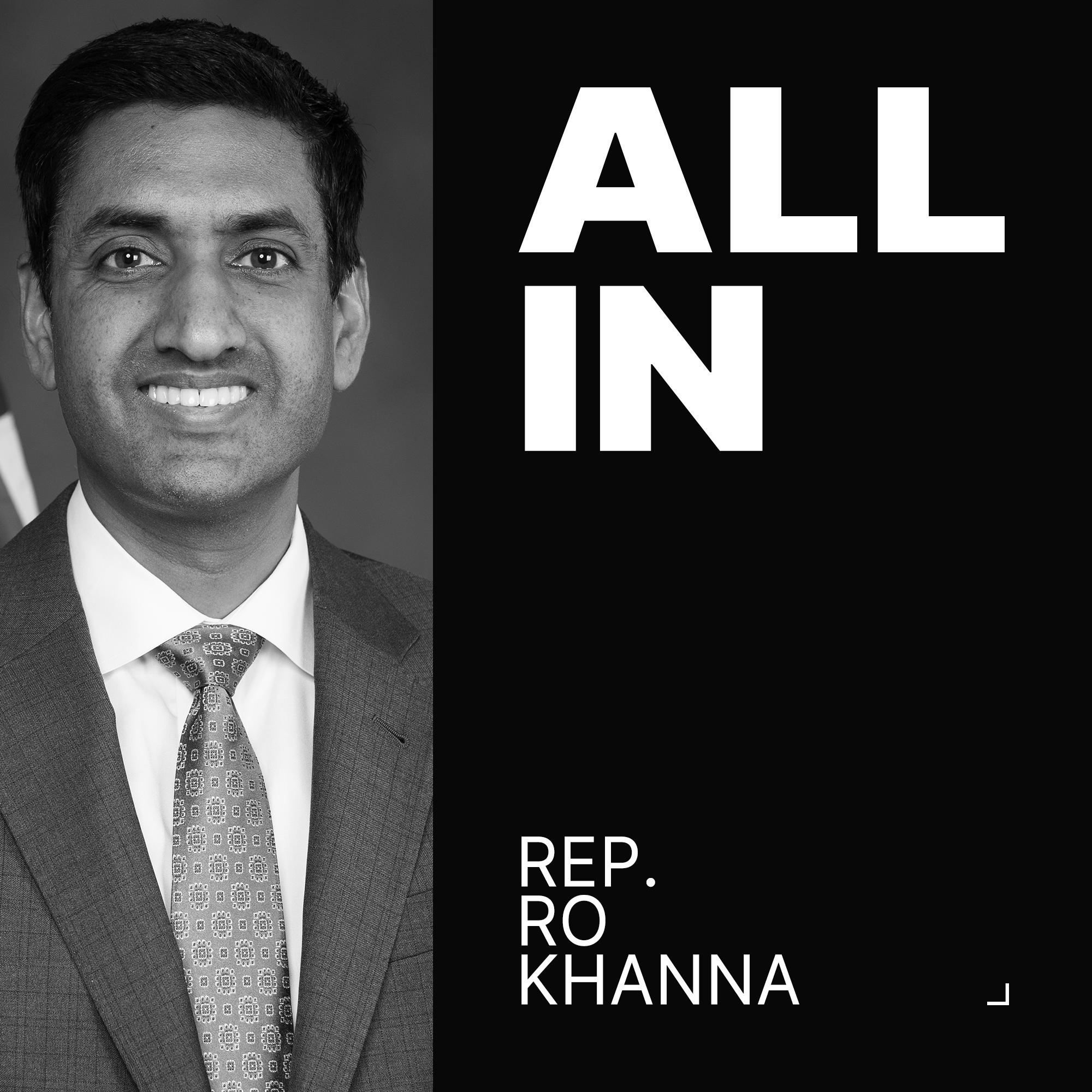
Congressman Ro Khanna argues that the primary corrupting force in American politics has shifted from money to hate and extremism. The modern attention economy rewards divisive behavior with media coverage and base support, making rational, bipartisan compromise a politically costly strategy.
The US has historically benefited from a baseline level of high competence in its government officials, regardless of party. This tradition is now eroding, being replaced by a focus on loyalty over expertise. This degradation from competence to acolytes poses a significant, underrecognized threat to national stability and global standing.

The perception of national decline in the US is not limited to one political side. Polling indicates that both left and right-leaning citizens believe the country's constitutional order and institutions are breaking down. The key difference is that each side is simply happy when their faction is temporarily "winning" the process of collapse.
The true danger isn't partisan bickering but the collapse of shared cultural institutions like family, faith, and community. These provided a common identity and purpose that held the nation together, and their erosion leaves a void that politics cannot fill, removing the nation's "center of gravity."

The era of limited information sources allowed for a controlled, shared narrative. The current media landscape, with its volume and velocity of information, fractures consensus and erodes trust, making it nearly impossible for society to move forward in lockstep.