Get your free personalized podcast brief
We scan new podcasts and send you the top 5 insights daily.
An internal consulting team taught others to manage time but struggled themselves. The coach highlighted that their solution lies in their own playbook. "Walking the talk" is a prerequisite for credibility and effectiveness, especially for teams whose product is expertise.
Related Insights
Leaders in investment organizations are often promoted for their exceptional technical skills—analysis, presentations—not for their management abilities. This creates a leadership deficit that requires deliberate focus and coaching to overcome.

Leaders often feel they must have all the answers, which stifles team contribution. A better approach is to hire domain experts smarter than you, actively listen to their ideas, and empower them. This creates a culture where everyone learns and the entire company's performance rises.

A counterintuitive productivity hack for leaders is to consciously allow minor problems to go unsolved. Constantly trying to extinguish every "fire" leads to burnout and context switching. Explicitly giving a team permission to ignore certain issues reduces anxiety and improves focus on what is truly critical.

When leading functions outside your core expertise (e.g., product leading tech and data), credibility cannot come from having answers. Instead, it's built by consistently asking open-ended questions to deeply understand the team's challenges. This approach prevents solutionizing and fosters trust.

Many leaders, particularly in technical fields, mistakenly believe their role is to provide all the answers. This approach disempowers teams and creates a bottleneck. Shifting from advising to coaching unlocks a team's problem-solving potential and allows leaders to scale their impact.

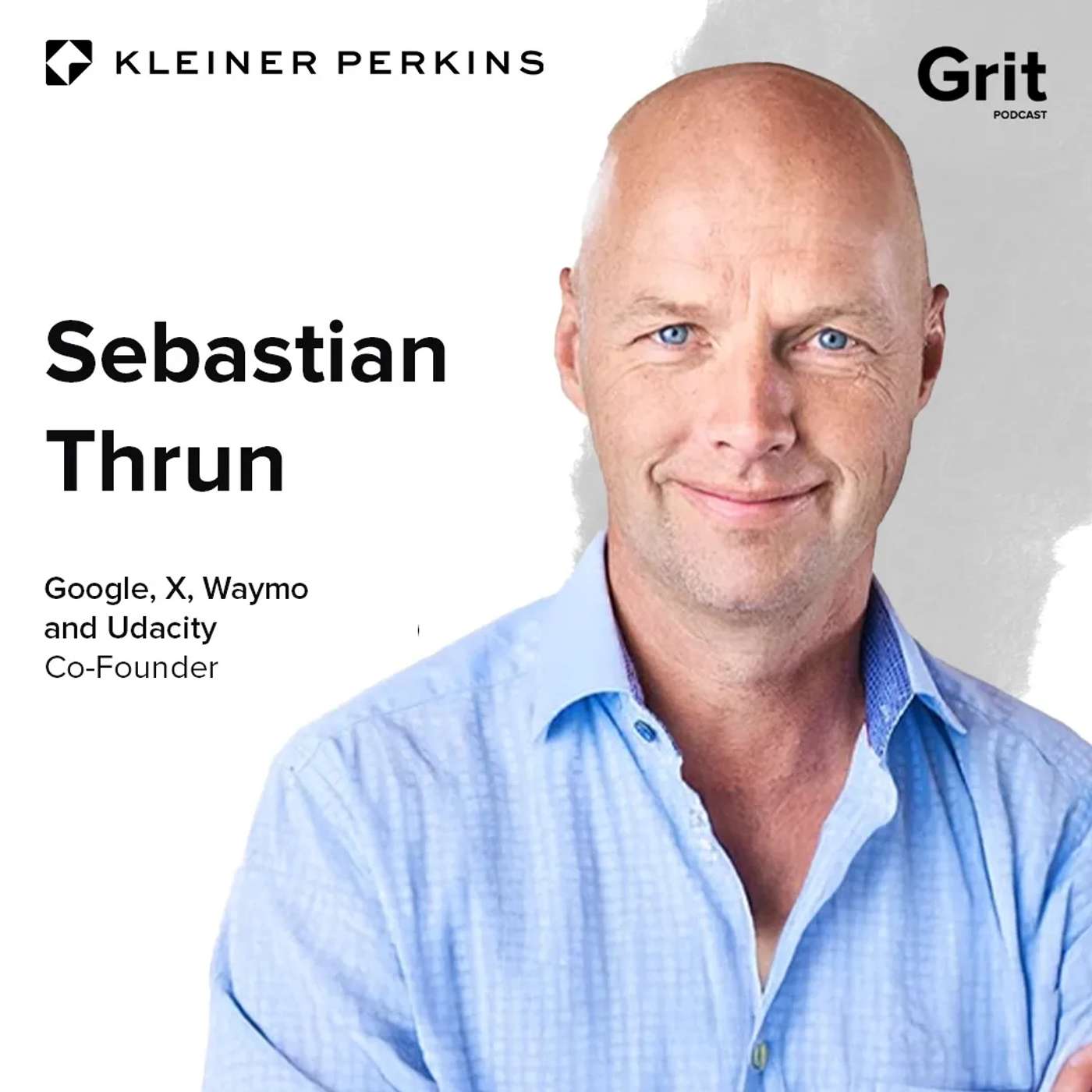
Sebastian Thrun views time, not money, as the ultimate currency. He believes a leader's primary responsibility is to be a steward of their team's time. When someone joins his company, he sees it as his "royal duty" to ensure they spend their most valuable asset on meaningful, impactful work.
Better products are a byproduct of a better team environment. A leader's primary job is not to work on the product, but to cultivate the people and the system they work in—improving their thinking, decision-making, and collaboration.

Many leaders focus on having the correct analysis. However, true leadership requires understanding that being right is useless if you can't persuade and influence others. The most successful leaders shift their focus from proving their correctness to finding the most effective way to communicate and achieve their goals.

Motivation is a finite, emotion-driven resource, especially during uncertainty. Great leaders supplement it by instilling team discipline—a set of agreed-upon practices performed consistently, regardless of feeling. This creates progress when inspiration is low and sustains long-term effort.
Leaders who complain their team isn't as good as them are misplacing blame. They are the ones who hired and trained those individuals. The team's failure is ultimately the leader's failure in either talent selection, skill development, or both, demanding radical ownership.