Get your free personalized podcast brief
We scan new podcasts and send you the top 5 insights daily.
While YouTube dominates in content volume and ad revenue, Hollywood's enduring power lies in its ability to amplify a successful piece of intellectual property into a global franchise. Creators are leveraging Hollywood not just to make a movie, but to access its machinery for building sequels, merchandise, and games.

Related Insights
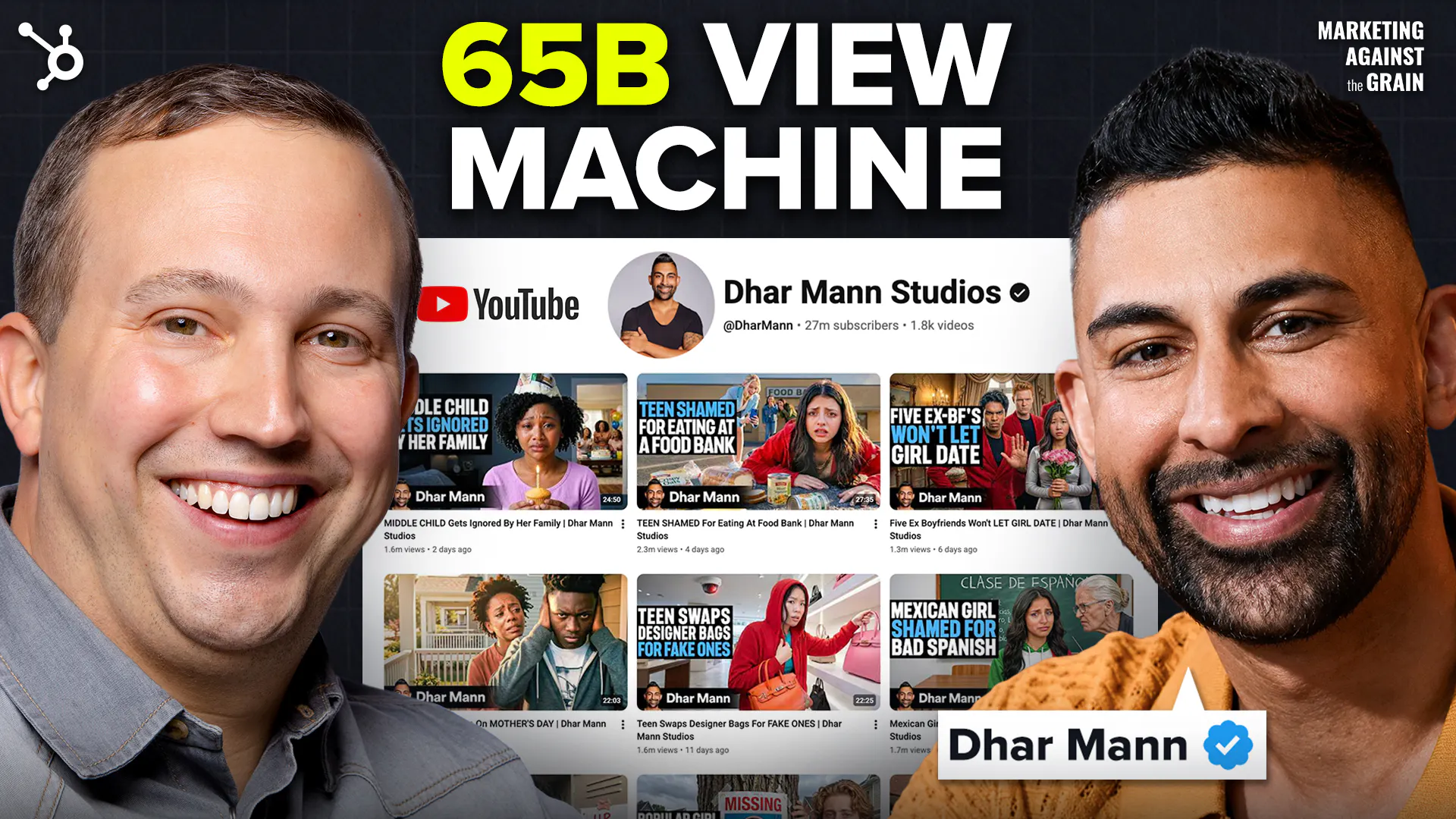
Dhar Mann leveraged his massive YouTube audience as a flywheel to build a multi-faceted media business. He diversified from platform ad revenue to partnerships with Samsung (FAST), Fox (Vertical Dramas), and a podcast. This proves a creator channel can be the foundation for a vertically integrated media company, not just an endpoint.
Tubi's CEO argues that the media industry's focus on consolidation misses the bigger story. The more profound shift is the convergence of the creator economy and traditional Hollywood, which is fundamentally changing how content is made, distributed, and consumed by the next generation of viewers.

As audience fatigue with superhero movies grows, Hollywood studios are increasingly turning to the video game industry for their next wave of reliable, high-grossing intellectual property. Films based on Minecraft, Super Mario Bros., and The Legend of Zelda signal a significant shift in where entertainment giants are sourcing their blockbuster content.

Traditional media companies are turning to successful YouTube creators to source proven concepts and talent. They offer upfront capital to scale existing YouTube IP into larger productions, creating a symbiotic relationship between once-separate platforms.

A significant trend is the migration of seasoned executives from companies like Discovery to leadership positions at studios founded by creators like Dhar Mann and Mark Rober. This infuses creator-led businesses with the strategic expertise needed to build durable, multi-platform media franchises.

The next evolution of the creator economy involves creators building their own vertically integrated studios, complete with production, marketing, CPG, and supply chain infrastructure. They are no longer just talent for hire but self-sufficient media and commerce companies controlling their own IP.

'Beast Games' served as a 'lightning rod' event, forcing traditional Hollywood to recognize that top internet creators can translate their massive online audiences to mainstream platforms. This success validates creators as legitimate players who can produce high-value IP, not just social media stars.
The underlying driver for major media shifts, from studio mergers to the pivot of podcasts to video, is YouTube's complete platform domination. Its ability to distribute all types of content at scale is forcing legacy media to consolidate and creators to adapt to its video-first ecosystem.

Independent animators are bypassing Hollywood gatekeepers by building massive fandoms directly on YouTube. By proving their IP with hundreds of millions of views and monetizing via merch, they gain incredible leverage, forcing studios to come to them with favorable deals.

Recent YouTube-to-Hollywood successes like *Obsession* and *Backrooms* aren't just about converting subscribers. These creators proved their artistic vision and technical skills through years of producing content, making them a lower-risk bet for studios on new IP.