Get your free personalized podcast brief
We scan new podcasts and send you the top 5 insights daily.
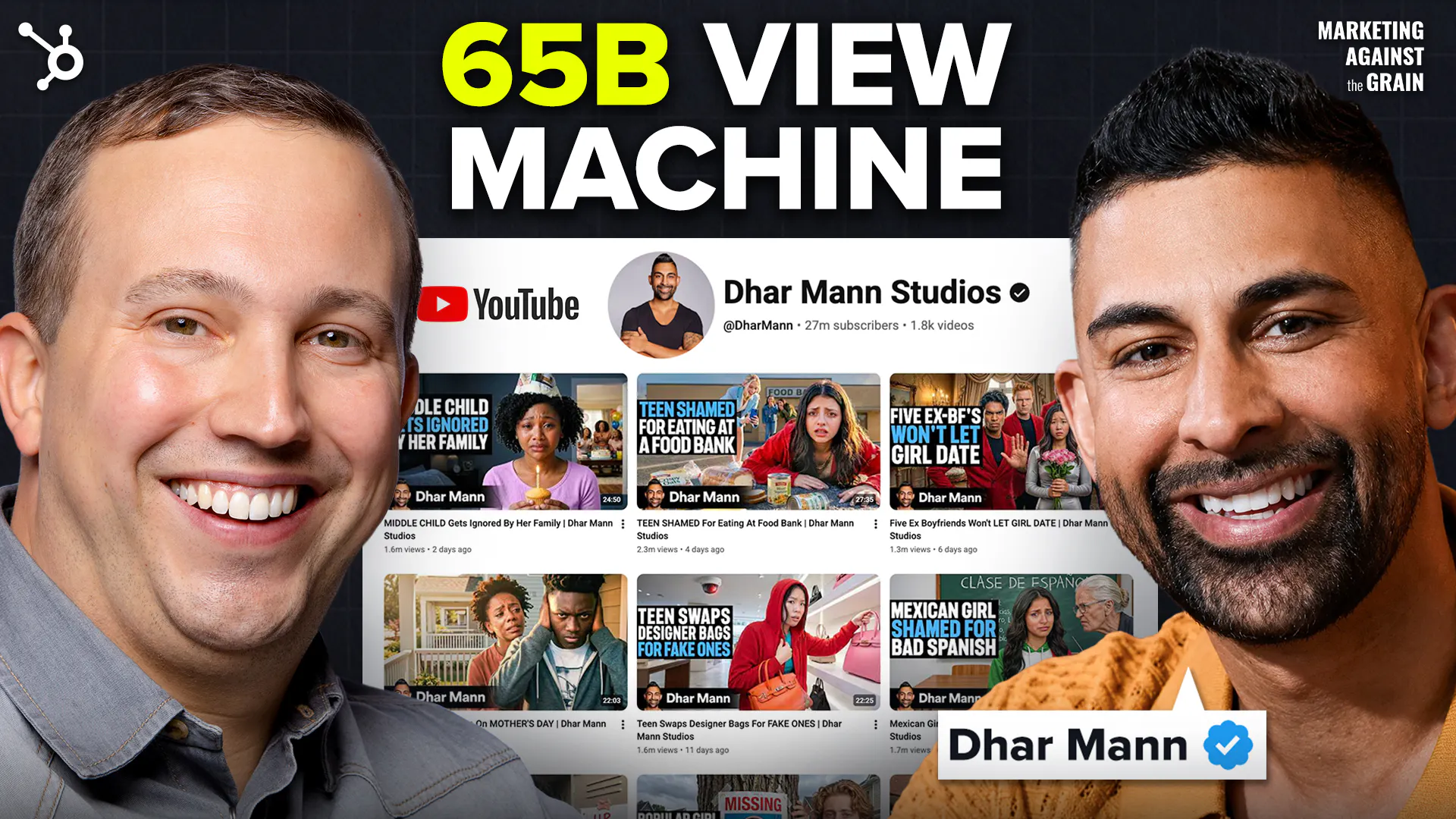
Dhar Mann leveraged his massive YouTube audience as a flywheel to build a multi-faceted media business. He diversified from platform ad revenue to partnerships with Samsung (FAST), Fox (Vertical Dramas), and a podcast. This proves a creator channel can be the foundation for a vertically integrated media company, not just an endpoint.
Related Insights
Traditional media companies are turning to successful YouTube creators to source proven concepts and talent. They offer upfront capital to scale existing YouTube IP into larger productions, creating a symbiotic relationship between once-separate platforms.

A significant trend is the migration of seasoned executives from companies like Discovery to leadership positions at studios founded by creators like Dhar Mann and Mark Rober. This infuses creator-led businesses with the strategic expertise needed to build durable, multi-platform media franchises.

Content creators can increase revenue by moving along a spectrum of monetization models, from low-risk affiliates and sponsorships to higher-risk, higher-reward options like white-labeling, taking equity in partner brands, and finally, owning their own product.

The next evolution of the creator economy involves creators building their own vertically integrated studios, complete with production, marketing, CPG, and supply chain infrastructure. They are no longer just talent for hire but self-sufficient media and commerce companies controlling their own IP.

Unlike studios risking billions on upfront investments, YouTube only pays for successful content via revenue sharing. Creators then reinvest this money into better productions, improving the platform's overall quality and capturing more audience attention in a virtuous, self-funding cycle.
The "HEART" acronym (Honor story, Earn trust, Architect a system, Reach hearts, Turn views into impact) is Dhar Mann's model for success. This framework focuses on systemic content creation and community building, treating a creator endeavor as a scalable company rather than a series of one-off viral hits.
A key opportunity exists in pairing successful creators, who have audience and cultural relevance but lack business infrastructure, with media companies that possess monetization engines but have lost touch with talent-driven content. This symbiotic relationship forms the basis for a modern media M&A strategy.

Dhar Mann chose to forgo lucrative "spectacle-based" content that chases short-term views. By staying true to his mission of heartfelt storytelling, he built a unique brand that became more valuable to partners seeking genuine emotional connection. This long-term strategy ultimately led to a 10x growth in brand deals.
A creator with a 50/50 revenue split between YouTube ads and an e-commerce shop felt torn. The advice was to see this not as two businesses, but as a strong ecosystem where the content channel acts as a resilient, top-of-funnel engine for the owned e-commerce platform.

Top creators like Mr. Beast are not outliers but blueprints for a future where individuals build entire business empires, including consumer products and non-profits, directly on their personal brands. This signals a fundamental shift from being an 'influencer' to a diversified business mogul.