Get your free personalized podcast brief
We scan new podcasts and send you the top 5 insights daily.
Cliff Weitzman candidly admits his biggest mistake was not entering the B2B market sooner. He incorrectly assumed text-to-speech APIs would be commoditized, failing to see them as a wedge to build a continuously innovating AI lab and capture higher-value enterprise customers.

Related Insights
Voice AI company ElevenLabs' rapid scaling to $330M ARR defies the narrative that large labs will dominate all AI verticals. Their singular focus allows them to build a superior, more opinionated "best-in-class" product that generalist models cannot easily replicate.

Many B2B companies failed by launching AI "co-pilots" that were too expensive for the minimal value they provided. The winning strategy, exemplified by Notion, is to create an AI add-on so valuable that users willingly pay a 50-100% premium, which in turn re-accelerates the company's growth.

The founding team's initial venture was an AI agent for Alzheimer's patients. Despite its personal meaning, they recognized that long clinical trial cycles made it commercially unviable. They pragmatically spun off the core technology to create GetVocal, targeting enterprise pain points.

IBM's early AI, Watson, failed by trying to build a single, complex application for the hardest vertical (healthcare). They would have been years ahead if they had instead created a platform for simpler, high-value enterprise tasks like customer service or document analysis.

Higgsfield initially saw high adoption for viral, consumer-facing AI features but pivoted. They realized foundation model players like OpenAI will dominate and subsidize these markets. The defensible startup strategy is to ignore consumer virality and solve specific, monetizable B2B workflow problems instead.

OpenAI's initial consumer-first strategy shaped its entire organization, making it difficult to pivot and compete effectively in the enterprise market. In contrast, Anthropic built its "corporate organs" for enterprise sales from the start, giving it a significant advantage in securing large customers.

The company's founding insight stemmed from the poor quality of Polish movie dubbing, where one monotone voice narrates all characters. This specific, local pain point highlighted a universal desire for emotionally authentic, context-aware voice technology, proving that niche frustrations can unlock billion-dollar opportunities.

Early-stage companies naturally build for their first few customers to gain traction. However, a critical and often-missed transition is to intentionally shift from building for individual customer needs to building for a defined market. Failure to make this strategic pivot leads to a perpetually reactive, sales-driven culture.
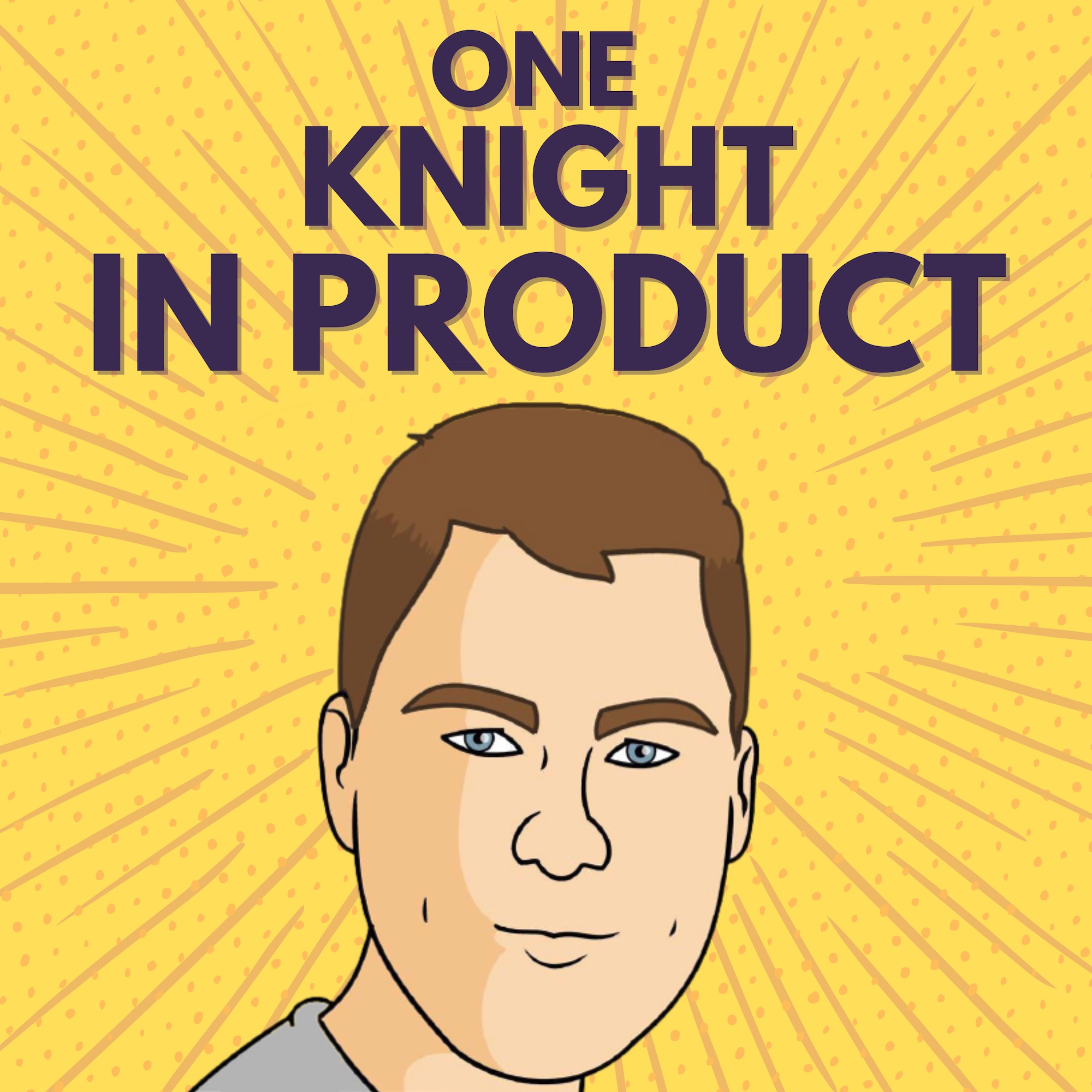
CEO Mati Staniszewski co-founded ElevenLabs after being frustrated by the Polish practice of dubbing foreign films with a single, monotonous voice. This hyper-specific, personal pain point became the catalyst for building a leading AI voice company, proving that massive opportunities can hide in niche problems.
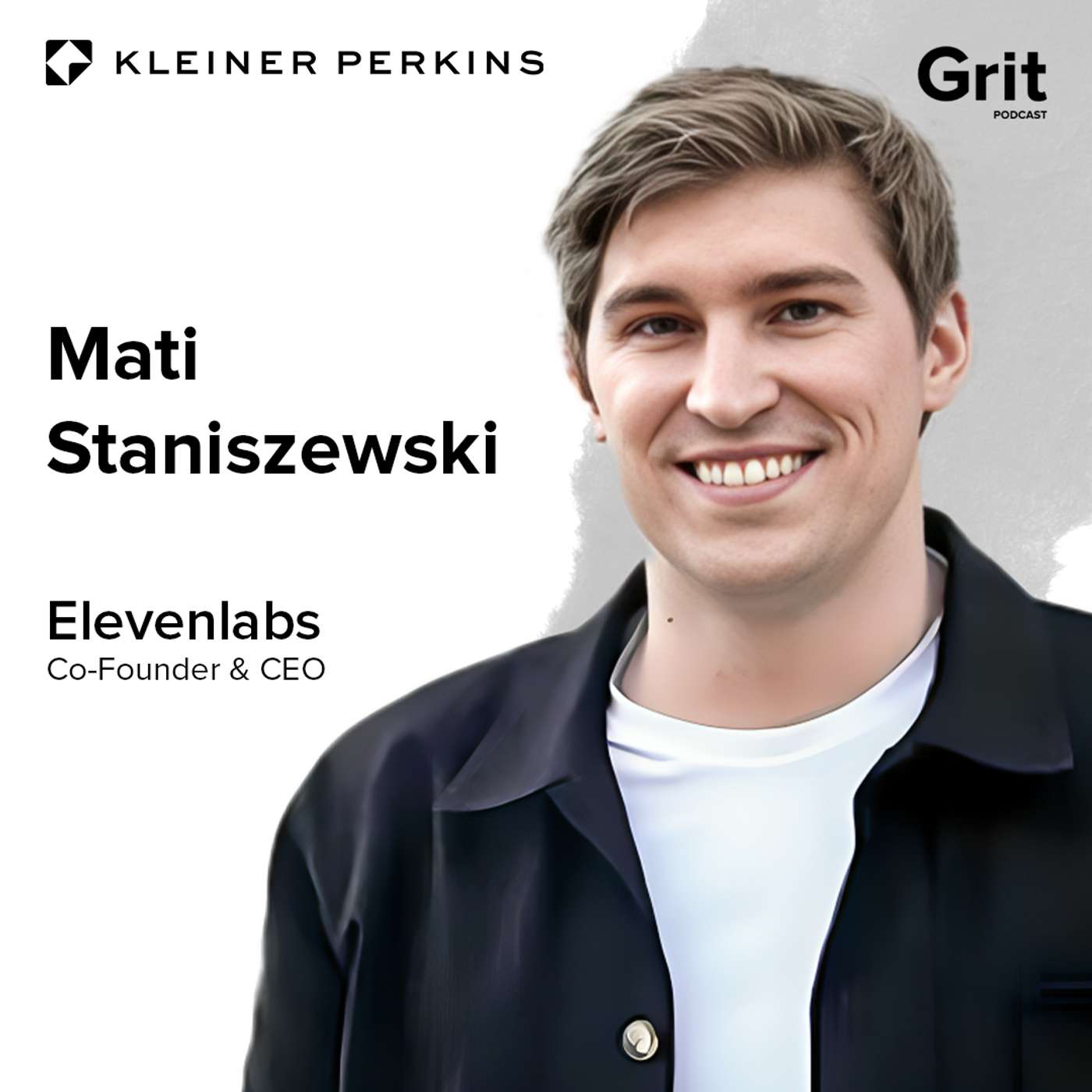
The company needed a high-quality speech-to-text model to annotate its own training data because existing market solutions were inadequate. This internal necessity evolved into a successful, customer-facing product, demonstrating the value of building tools to solve your own critical problems.