Get your free personalized podcast brief
We scan new podcasts and send you the top 5 insights daily.
The founder hired early executives at a VP or SVP level, not immediately as C-suite. This created space to hire a more experienced leader above them if needed, without it feeling like a demotion. It gives the initial hire a chance to grow into the role while preserving organizational flexibility.

Related Insights
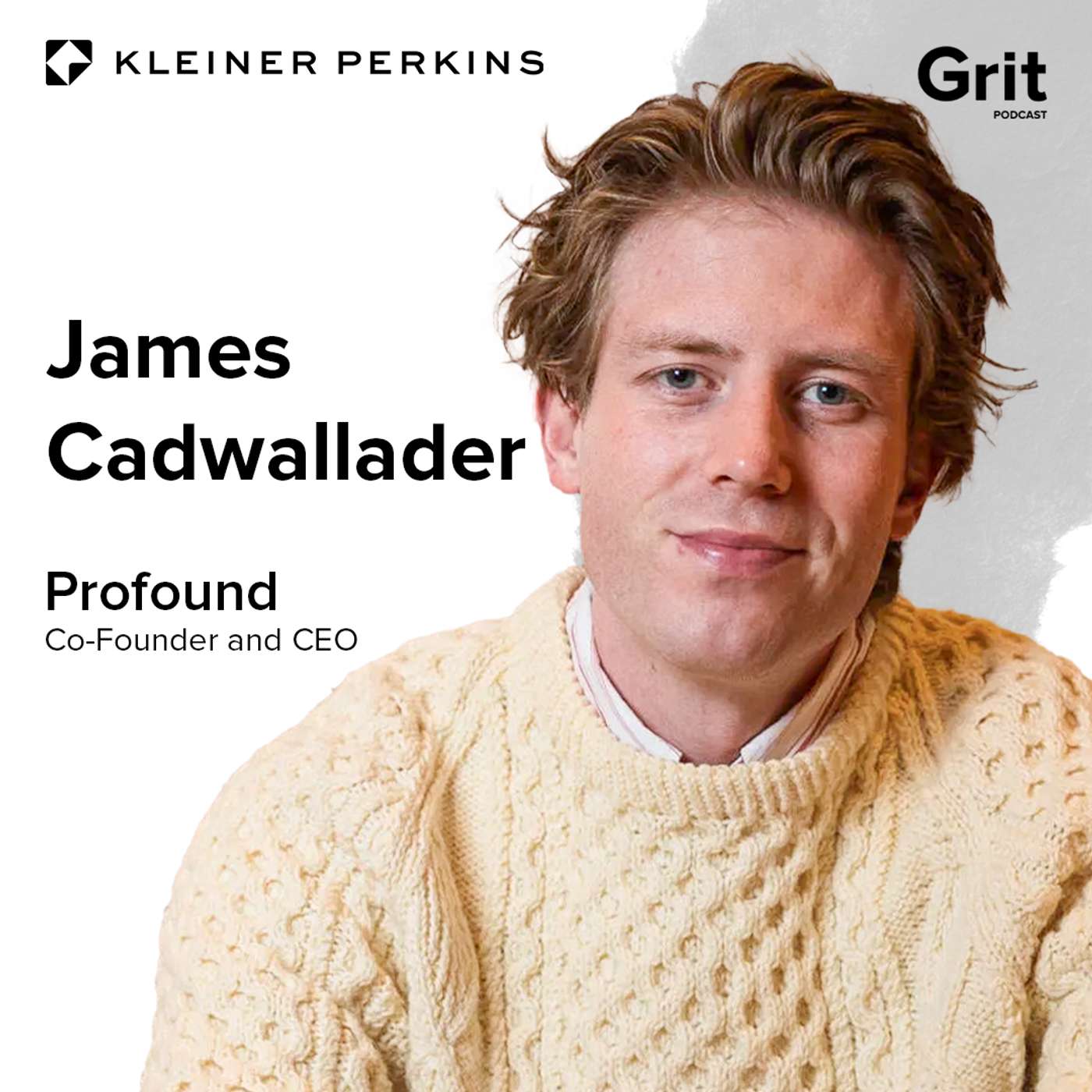
A scaling founder can avoid "breaking the model" during hypergrowth by hiring senior leaders with proven track records in similar environments. For example, Profound hired a CRO who previously scaled a company with the same target customer to $250M, bringing invaluable experience to manage chaos.
Early-stage founders often mistakenly hire senior talent from large corporations. These executives are accustomed to resources that don't exist in a startup. Instead, hire people who have successfully navigated the stage you are about to enter—those who are just "a few clicks ahead."

Unlike multi-founder teams, solo founders lack built-in executive coverage. To compensate, they should hire senior leaders sooner than typical, even with a small team, to own critical functions and enable the founder to focus on other fires.

Don't hire a General Manager (GM) into a flat organization. First, establish a layer of "Field Leads" and then a "Service Manager." This structure filters issues, builds your own delegation skills, and creates a support system, ensuring the expensive GM hire can succeed.

Founders often chase executives from successful scaled companies. However, these execs can fail because their experience makes them overly critical and resistant to the painful, hands-on work required at an early stage. The right hire is often someone a few layers down from the star executive.

Research shows the top predictor of a successful exit is the founder's ability to up-level their executive team. This requires the difficult but necessary skill of replacing early, loyal team members with leaders experienced at the company's next scale.

To protect a distinct and powerful culture at scale, a firm should avoid hiring senior leaders from the outside. Instead, hire talented people earlier in their careers and grow them into the firm's specific ways of operating, ensuring cultural alignment for the most critical roles.

To successfully integrate senior talent, implement a 'go slow to go fast' onboarding. Have new leaders spend their first 1-2 months as individual contributors. This allows them to absorb the culture, build relationships, and gain deep context before taking on management responsibilities, preventing 'organ rejection.'

The founder hired an experienced CEO and then rotated through leadership roles in different departments (brand, product, tech). This created a self-designed, high-stakes apprenticeship, allowing him to learn every facet of the business from experts before confidently retaking the CEO role.

To avoid resentment when hiring over an early employee, use the 'Giving Away Your Legos' framework from First Round Capital. It reframes the transition as a necessary and positive part of scaling, where everyone gives up parts of their job to enable company growth.