Get your free personalized podcast brief
We scan new podcasts and send you the top 5 insights daily.
Research shows the top predictor of a successful exit is the founder's ability to up-level their executive team. This requires the difficult but necessary skill of replacing early, loyal team members with leaders experienced at the company's next scale.

Related Insights
Paradoxically, once a startup finds product-market fit, a major failure mode is not scaling aggressively enough. Founders who stay too lean and delay executive hires risk being overtaken by competitors who capitalize on the opportunity and scale faster.

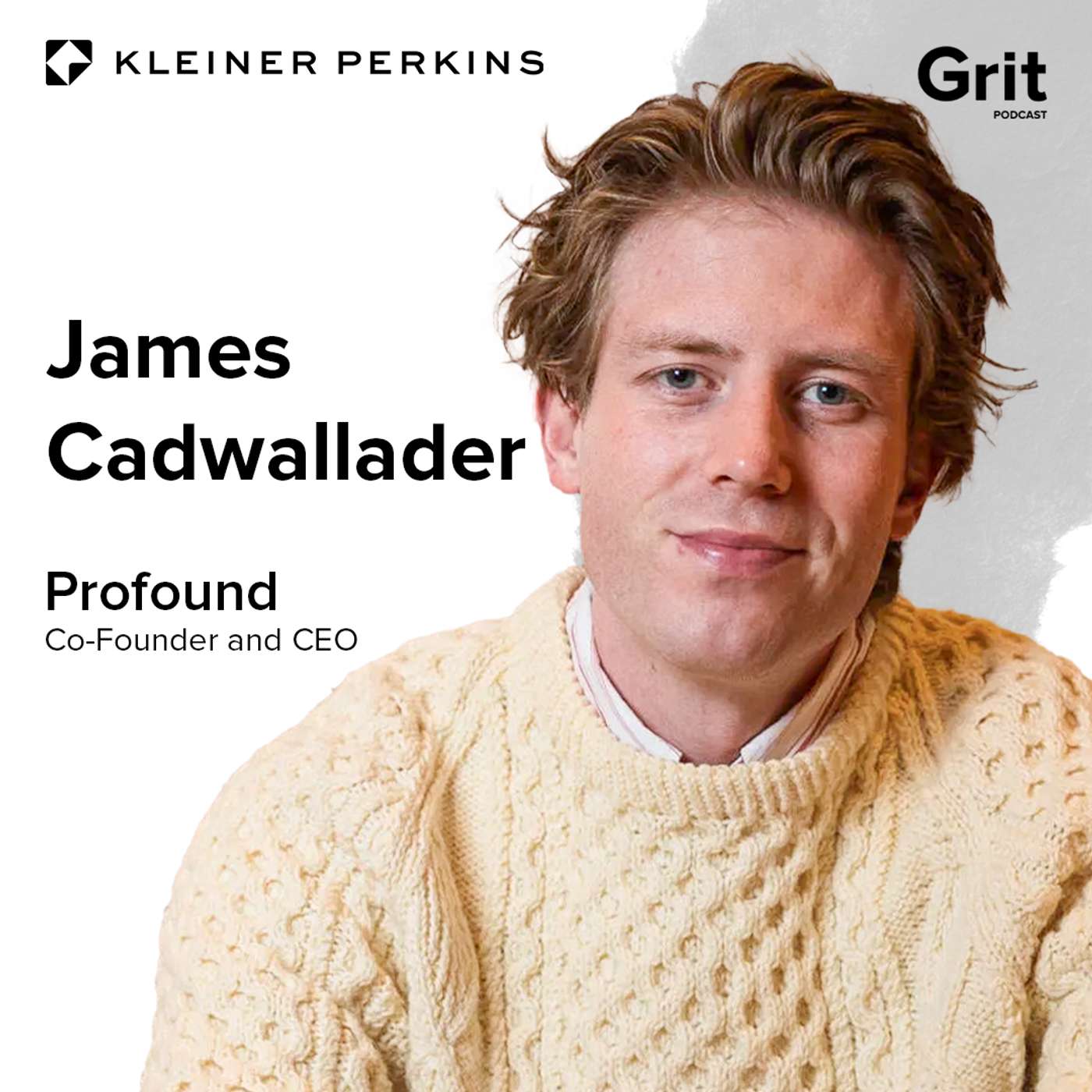
A scaling founder can avoid "breaking the model" during hypergrowth by hiring senior leaders with proven track records in similar environments. For example, Profound hired a CRO who previously scaled a company with the same target customer to $250M, bringing invaluable experience to manage chaos.
Despite success, founder Kevin Wagstaff felt like an "imposter" as the company scaled beyond $10M ARR. He recognized his strengths were in the early, scrappy "bias to action" phase, not managing a larger organization. He proactively brought in a seasoned CEO better suited for the next stage of growth.

CEOs leading companies over 100 employees dedicate up to half their time to recruiting their executive team. Their primary concern becomes building the leadership layer and designing the organization, a significant shift from the focus of CEOs at smaller companies.

Founders often chase executives from successful scaled companies. However, these execs can fail because their experience makes them overly critical and resistant to the painful, hands-on work required at an early stage. The right hire is often someone a few layers down from the star executive.

The old model of replacing a founder with a 'professional CEO' is often flawed because it removes irreplaceable product insight. The modern approach is for founders to design their executive team to complement their unique strengths, ensuring they stay engaged for the long journey.

The co-founder identifies a key tension in scaling: transitioning from a founder-led, convention-defying startup to an expert-driven organization. The daily challenge becomes deciding when to push back with contrarian intuition versus trusting the team's best-practice recommendations.

The very traits that help a founder succeed initially—doing everything themselves, obsessing over details—become bottlenecks to growth. To scale, founders must abandon the tools that got them started and adopt new ones like delegation and trust.

After eight years of grinding, the founder recognized he had taken the company as far as his skillset allowed. Instead of clinging to control, he proactively sought an external CEO with the business acumen he lacked, viewing the hire as a "life preserver" to rocket-ship the company's growth.

In a hypergrowth company, an early leader's domain will shrink in relative terms as the company expands. This can feel like a demotion but is a sign of success. Leaders who scale well overcome this emotional dissonance and focus on the company's increased total output.