Get your free personalized podcast brief
We scan new podcasts and send you the top 5 insights daily.
Don't hire a General Manager (GM) into a flat organization. First, establish a layer of "Field Leads" and then a "Service Manager." This structure filters issues, builds your own delegation skills, and creates a support system, ensuring the expensive GM hire can succeed.

Related Insights
ElevenLabs' CEO avoids ineffective delegation by first immersing himself in a new function (like sales or legal). This allows him to understand the fundamentals, which is crucial for assessing and hiring the right expert leader for that role.

Instead of promoting the best salesperson or hiring externally, identify potential leaders and put them in a 12-month development program. This builds a bench of prepared leaders, lets some self-select out, and avoids costly hiring mistakes. It requires long-term thinking.

Non-sales founders often don't know how to evaluate or support their first sales leader. The advice is to hire a sales-focused board member or advisor whose primary role is to mentor and care for that new sales leader, providing crucial guidance and a dedicated advocate.

Instead of seeking a fully-formed, expensive owner-level thinker, a more practical strategy is to hire a top-tier project-level thinker showing potential. Granting them autonomy and responsibility can cultivate them into the owner you need.

Structure your organization with employees at the top and managers at the bottom. This re-frames a leader's primary role as one of support—listening and removing obstacles to help their teams execute more effectively. It shifts the leader's focus from directing to enabling.

The transition from a hands-on contributor to a leader is one of the hardest professional shifts. It requires consciously moving away from execution by learning to trust and delegate. This is achieved by hiring talented people and then empowering them to operate, even if it means simply getting out of their way.

To scale effectively, don't bottleneck knowledge with the CEO. Invest in specialized coaches, consultants, and mastermind groups for your department leaders. This empowers them to solve problems and develop their teams directly, as building the people is what ultimately builds the business.

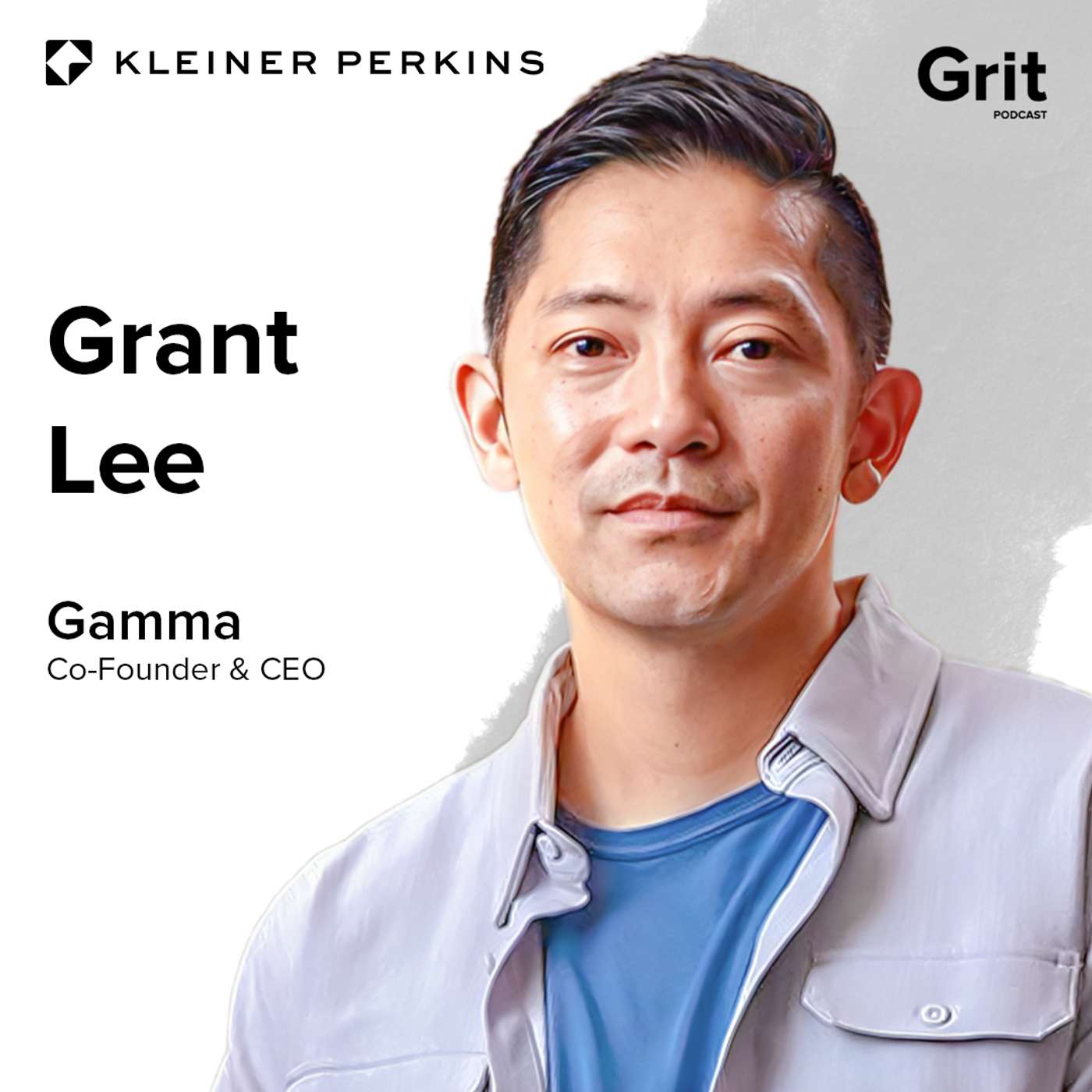
Instead of traditional managers, Gamma hires "player-coaches"—leaders who actively contribute to the work, like shipping code, while also mentoring their team. This model maintains a flat structure, keeps leadership grounded, and works best in a lean organization.
Successful delegation is not an abrupt handoff but a gradual process. Bring in a senior person and collaborate with them, then slowly cede specific responsibilities (e.g., customer interviews). This allows you to transition your own role from day-to-day operator to an internal advisor, ensuring continuity.
Ather's founder learned that hiring senior leaders for non-core functions too early fails due to value system clashes. Founders must first build the function themselves, establish principles, hire into that mold, and only then step back. This ensures cultural alignment.