Get your free personalized podcast brief
We scan new podcasts and send you the top 5 insights daily.
New defense firms like Saronic and Castellion use private capital to build and demonstrate capabilities before a government contract exists. This de-risks new technology and forces engagement from the Department of Defense, moving much faster than traditional procurement cycles allow.

Related Insights
Defense tech startup Anduril is disrupting incumbents not with untested technology, but with a novel business model. It uses VC funds to build manufacturing capacity *before* winning large contracts and sources commercial parts to reduce cost and supply chain risk, effectively prioritizing execution over pure tech risk.

The modern public-private model in space tech involves venture capital playing a crucial role in de-risking innovation. The Pentagon and other government agencies now partner with VC-backed startups to absorb development risk, allowing them to pursue ambitious projects on faster timelines than traditional procurement models would allow.

The Pentagon's notoriously slow, paperwork-heavy acquisition process is being dismantled by new leadership. This shift prioritizes rapid product delivery over bureaucratic process, creating an unprecedented opportunity for agile tech startups to enter the massive defense market.

Unlike traditional contractors paid for hours, Anduril invests its own capital to build products it believes the government needs. This model incentivizes speed and effectiveness, as profit is tied to successful products, not billable hours. This shifts the financial risk from the taxpayer to the company.
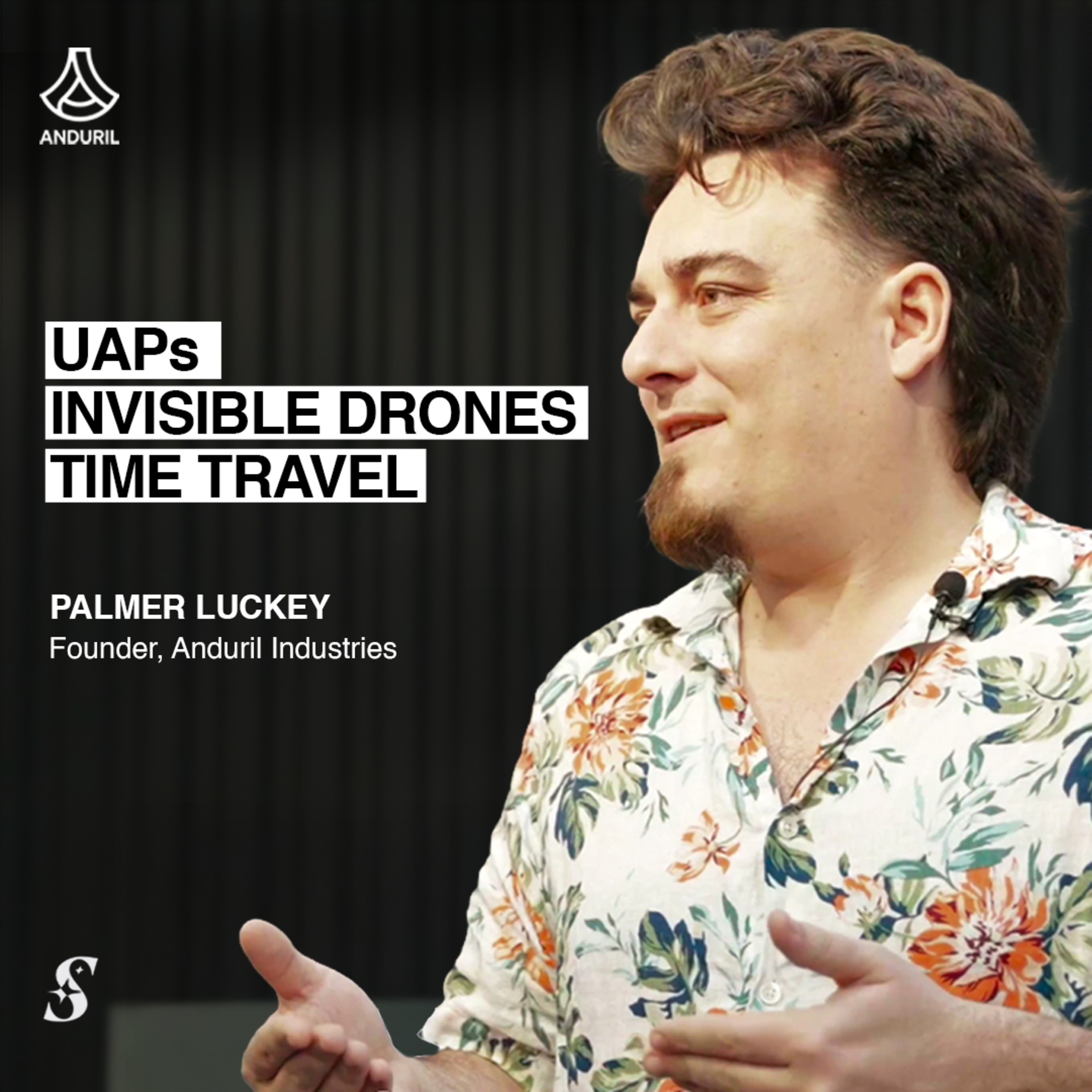
Private capital is more efficient for defense R&D than government grants, which involve burdensome oversight. Startups thrive when the government commits to buying finished products rather than funding prototypes, allowing VCs to manage the risk and de-burdening small companies.

Unlike traditional contractors paid for time and materials, Anduril invests its own capital to develop products first. This 'defense product company' model aligns incentives with the government's need for speed and effectiveness, as profits are tied to rapid, successful delivery, not prolonged development cycles.

Traditional defense primes are coupled to customer requirements and won't self-fund speculative projects. "Neo primes" like Epirus operate like product companies, investing their own capital to address military capability gaps, proving out new technologies, and then selling the finished solution.

Emil Michael describes his role not as a procurement officer but as a "chief venture capitalist" for the Department of War. The strategy is to identify and fund promising new defense tech companies, creating a virtuous cycle where success attracts more private capital and talent to the sector.

To boost production capacity, the Pentagon is moving away from traditional government funding. It now incentivizes defense companies to invest their own private capital to expand. This policy shift fosters ownership, efficiency, and levels the playing field for modern startups.
Under Secretary of War Emil Michael states the biggest barrier for defense startups isn't technology, but navigating procurement bureaucracy. By reforming requirements and shifting to commercial-style, fixed-cost contracts, the Pentagon aims to favor product innovation over process navigation.
