Get your free personalized podcast brief
We scan new podcasts and send you the top 5 insights daily.
The Musk v. OpenAI trial uncovered that Musk attempted to merge OpenAI into Tesla in 2017, even planning to recruit Sam Altman. This shows his deep, early interest in controlling a leading AI lab, predating his public fallout with the company and current xAI venture.

Related Insights
Private notes revealed in the lawsuit filings show the foundational split wasn't purely philosophical. Discussions about personal wealth targets ("what will take me to $1 billion?") and Elon Musk's desire for majority equity to fund Mars ambitions underscore that the battle was fundamentally about power and financial gain.

The lawsuit between Elon Musk and OpenAI has unearthed private communications showing fundamental disagreements. Musk allegedly wanted OpenAI to generate $80 billion for a Mars city and give him majority control, with his children eventually controlling AGI. OpenAI's founders resisted, leading to the split.

The sequential mergers of X with xAI, then with SpaceX, and potentially Tesla, signal the formation of a single entity. This "Musk Industries" would leverage shared manufacturing learnings and AI development across cars, rockets, robots, and social networks, creating powerful synergies.
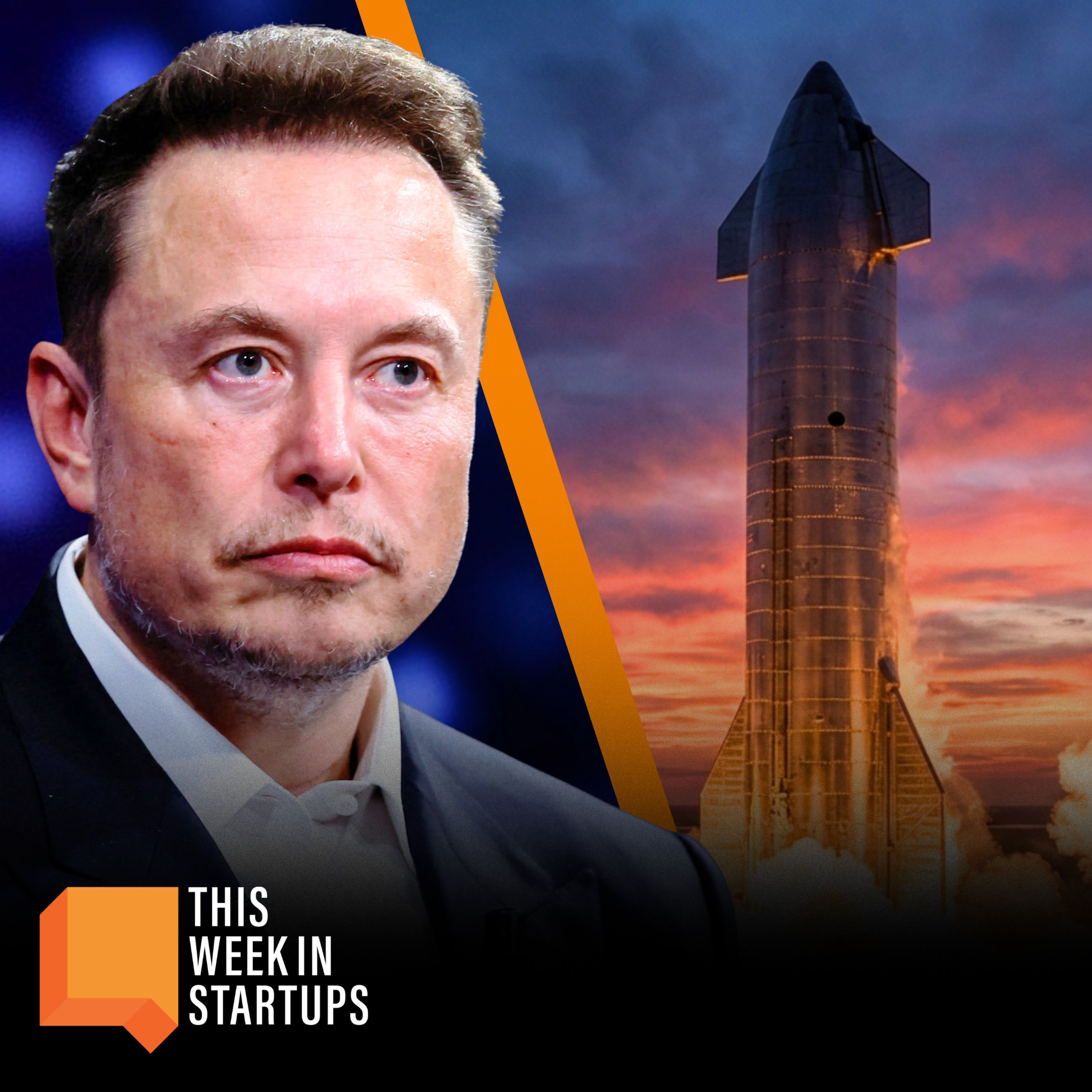
The guest suggests Sam Altman's public declarations about AI's existential risks were a strategic play to align with Elon Musk's outspoken fears. This mirroring successfully convinced Musk to co-found and fund OpenAI, though he later felt manipulated.

Regardless of the legal verdict, Elon Musk may be achieving a primary goal: disrupting OpenAI's operations. The trial forces CEO Sam Altman and President Greg Brockman to divert significant attention from product development and competitive threats at a critical moment for the company, potentially during an IPO run-up.

The idea of a single, vertically integrated "Elon Inc." combining SpaceX, X, Tesla, and xAI provides a strategic framework for understanding Musk's moves. This makes seemingly disparate actions, like a potential SpaceX acquisition of XAI, appear as logical steps toward a larger, unified entity.

Connecting the dots from the 2022 Twitter acquisition to the founding of xAI, the integration of Grok, and the merger with SpaceX reveals a deliberate long-term strategy. The moves were not impulsive but calculated steps to combine social data, proprietary AI models, and massive compute resources into a vertically integrated giant.

The consolidation of SpaceX and xAI is creating a private entity with a valuation rivaling Tesla's public one. This could be a strategic maneuver to accumulate enough private capital and leverage to eventually take Tesla private, unifying Musk's core ventures under a single, privately controlled empire.

A potential merger between xAI and the IPO-ready SpaceX would allow Elon Musk to take an AI company public far ahead of rivals OpenAI and Anthropic. This move serves as an "end run" around the traditional process, aiming to capture the first-mover advantage and the narrative as the primary public AI investment.

Shivon Zillis's testimony reveals Elon Musk's proposal to merge OpenAI with Tesla was a developed plan, not a casual idea. It included preparing announcements and actively recruiting top OpenAI talent like Sam Altman, reframing the Musk-OpenAI conflict as a failed corporate takeover.