Get your free personalized podcast brief
We scan new podcasts and send you the top 5 insights daily.
Shivon Zillis's testimony reveals Elon Musk's proposal to merge OpenAI with Tesla was a developed plan, not a casual idea. It included preparing announcements and actively recruiting top OpenAI talent like Sam Altman, reframing the Musk-OpenAI conflict as a failed corporate takeover.

Related Insights
The lawsuit between Elon Musk and OpenAI has unearthed private communications showing fundamental disagreements. Musk allegedly wanted OpenAI to generate $80 billion for a Mars city and give him majority control, with his children eventually controlling AGI. OpenAI's founders resisted, leading to the split.
Internal notes revealed in Elon Musk's lawsuit suggest OpenAI's leadership intentionally deceived him. They allegedly took his money under the premise of an open-source non-profit while privately planning a closed, for-profit structure, creating a massive legal and reputational risk.
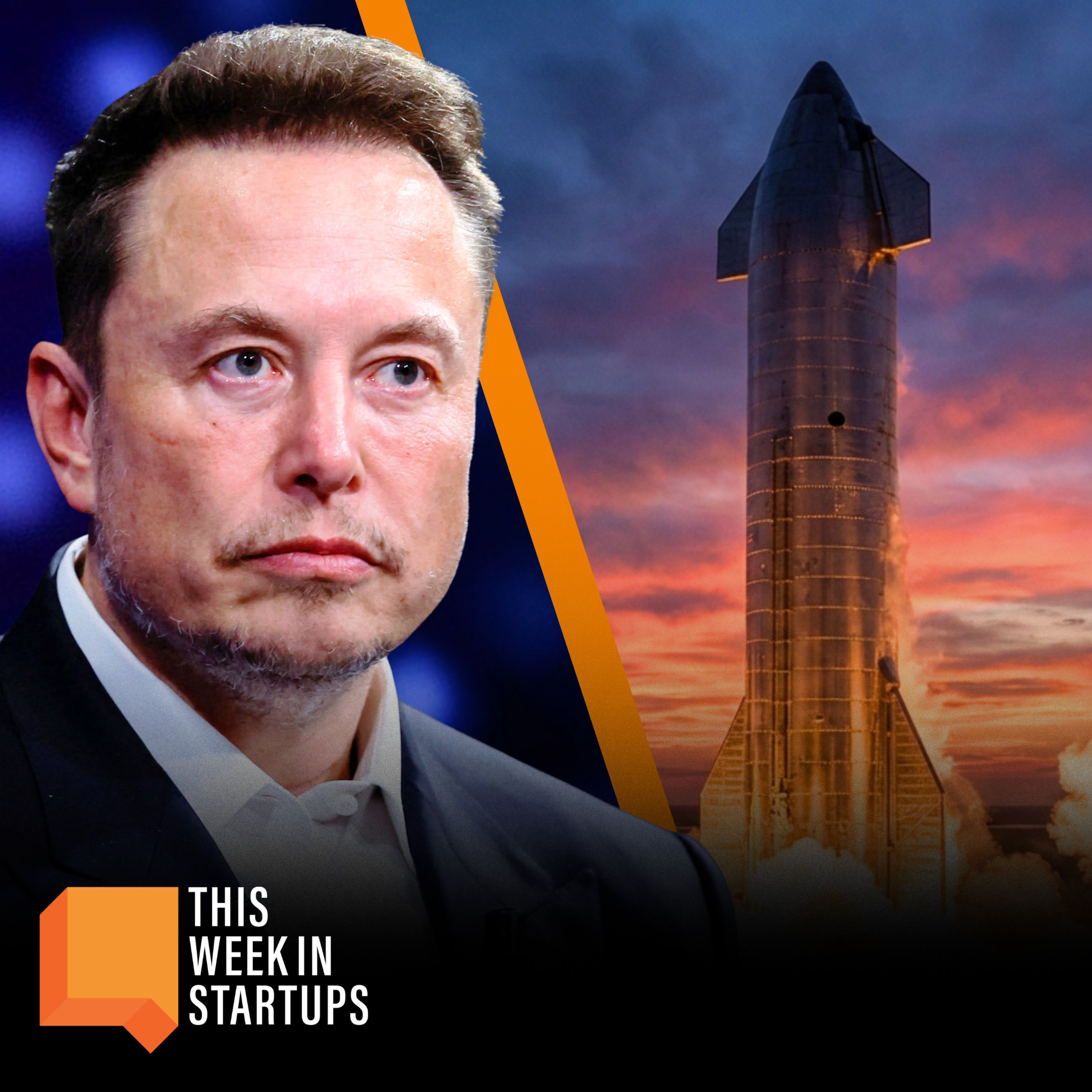
The sequential mergers of X with xAI, then with SpaceX, and potentially Tesla, signal the formation of a single entity. This "Musk Industries" would leverage shared manufacturing learnings and AI development across cars, rockets, robots, and social networks, creating powerful synergies.
The guest suggests Sam Altman's public declarations about AI's existential risks were a strategic play to align with Elon Musk's outspoken fears. This mirroring successfully convinced Musk to co-found and fund OpenAI, though he later felt manipulated.

The idea of a single, vertically integrated "Elon Inc." combining SpaceX, X, Tesla, and xAI provides a strategic framework for understanding Musk's moves. This makes seemingly disparate actions, like a potential SpaceX acquisition of XAI, appear as logical steps toward a larger, unified entity.

The $134 billion lawsuit against OpenAI isn't Elon Musk's endgame. It's a strategic maneuver within a broader, longer-term war against Sam Altman. The ultimate victor in the AI race will be determined by overwhelming market domination in consumer and enterprise products, not by a courtroom decision.

Connecting the dots from the 2022 Twitter acquisition to the founding of xAI, the integration of Grok, and the merger with SpaceX reveals a deliberate long-term strategy. The moves were not impulsive but calculated steps to combine social data, proprietary AI models, and massive compute resources into a vertically integrated giant.

The consolidation of SpaceX and xAI is creating a private entity with a valuation rivaling Tesla's public one. This could be a strategic maneuver to accumulate enough private capital and leverage to eventually take Tesla private, unifying Musk's core ventures under a single, privately controlled empire.

Elon Musk's lawsuit isn't primarily about winning a legal victory but about creating a "cloud" of uncertainty over OpenAI. The goal is to slow its fundraising, delay a potential IPO, and disrupt its momentum. For Musk, the prolonged public battle itself is a strategic win, regardless of the court's final verdict.

A potential merger between xAI and the IPO-ready SpaceX would allow Elon Musk to take an AI company public far ahead of rivals OpenAI and Anthropic. This move serves as an "end run" around the traditional process, aiming to capture the first-mover advantage and the narrative as the primary public AI investment.
