Get your free personalized podcast brief
We scan new podcasts and send you the top 5 insights daily.
Connecting the dots from the 2022 Twitter acquisition to the founding of xAI, the integration of Grok, and the merger with SpaceX reveals a deliberate long-term strategy. The moves were not impulsive but calculated steps to combine social data, proprietary AI models, and massive compute resources into a vertically integrated giant.

Related Insights
The sequential mergers of X with xAI, then with SpaceX, and potentially Tesla, signal the formation of a single entity. This "Musk Industries" would leverage shared manufacturing learnings and AI development across cars, rockets, robots, and social networks, creating powerful synergies.
Beyond acquiring massive compute, Elon Musk's xAI is building its own natural gas power plant. This represents a deep vertical integration strategy to control the power supply—the ultimate bottleneck for AI infrastructure—gaining a significant operational advantage over competitors reliant on public grids.

Initially mocked, the Twitter acquisition now appears as a strategic play. It gave investors exposure to xAI, which is now in merger talks with SpaceX. This move could consolidate Musk's ventures into an AI-centric conglomerate, turning a social media investment into a high-value stake in a space and robotics powerhouse.
The idea of a single, vertically integrated "Elon Inc." combining SpaceX, X, Tesla, and xAI provides a strategic framework for understanding Musk's moves. This makes seemingly disparate actions, like a potential SpaceX acquisition of XAI, appear as logical steps toward a larger, unified entity.

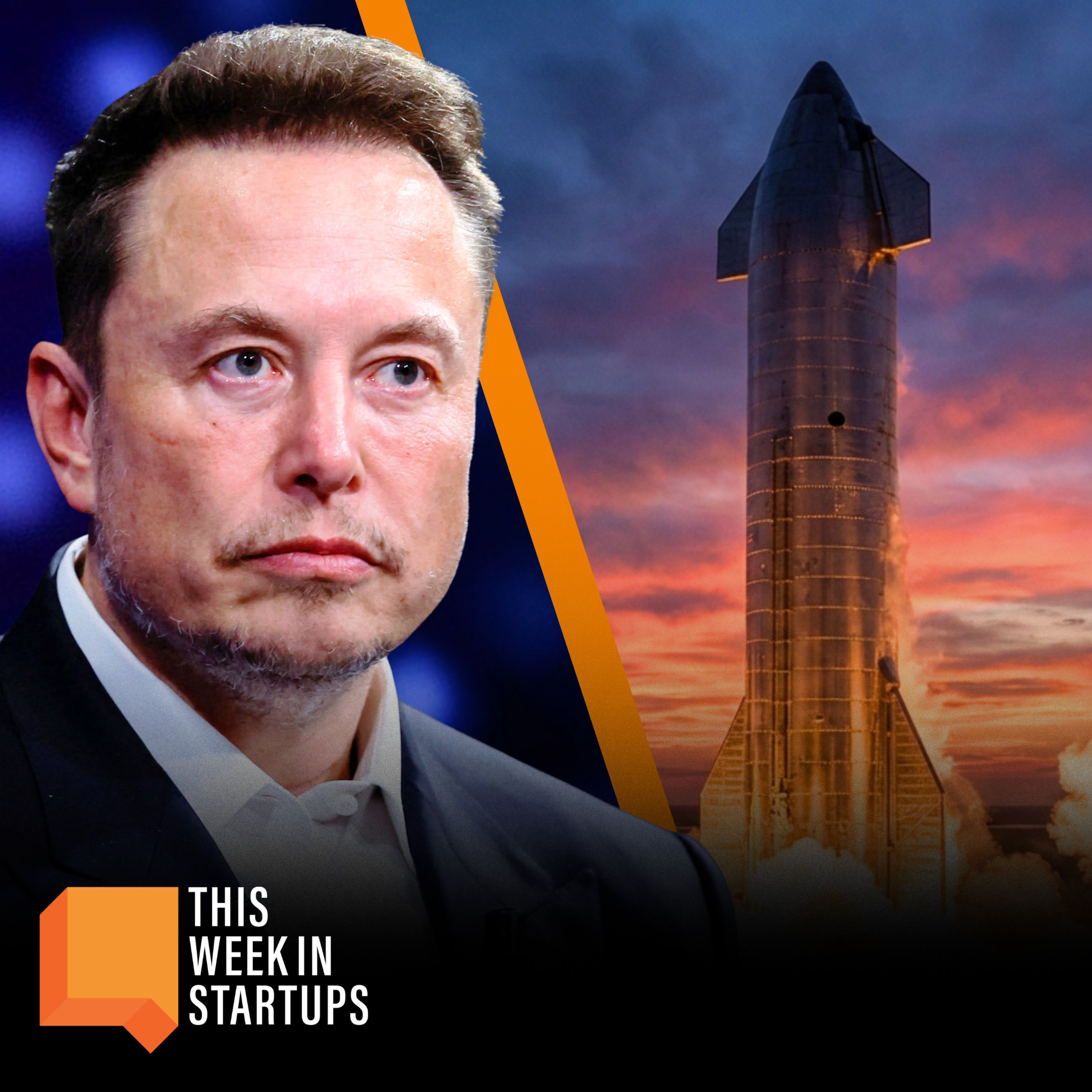
The merger combines SpaceX's rocketry with XAI's AI development. The official rationale is to build cost-effective, environmentally friendly data centers in space to meet the massive compute demands of future AI, a vision that leverages SpaceX's continually falling launch costs to make space-based supercomputing feasible.
Elon Musk's plan to merge SpaceX with xAI is a strategic move to build a vertically integrated powerhouse. This deal combines SpaceX's physical infrastructure, satellite network, and massive revenue from Starlink with xAI's artificial intelligence ambitions, creating a single entity that controls both the digital and physical layers of a new tech ecosystem.

The merger of Elon Musk's seemingly disparate SpaceX and xAI is being justified by the powerful narrative of creating "data centers in space." This story provides the necessary conceptual bridge for investors, transforming SpaceX's valuation from a pure aerospace company to a future pillar of global AI infrastructure.

Musk's decisions—choosing cameras over LiDAR for Tesla and acquiring X (Twitter)—are part of a unified strategy to own the largest data sets of real-world patterns (driving and human behavior). This allows him to train and perfect AI, making his companies data juggernauts.

A potential merger between xAI and the IPO-ready SpaceX would allow Elon Musk to take an AI company public far ahead of rivals OpenAI and Anthropic. This move serves as an "end run" around the traditional process, aiming to capture the first-mover advantage and the narrative as the primary public AI investment.

By merging xAI (which previously acquired X) into SpaceX, Elon Musk creates a behemoth private company. This strategy rewards investors who backed him across multiple ventures, using the strength and IPO hype of SpaceX to make earlier, riskier bets (like the X take-private) whole, effectively capping the downside.
