Get your free personalized podcast brief
We scan new podcasts and send you the top 5 insights daily.
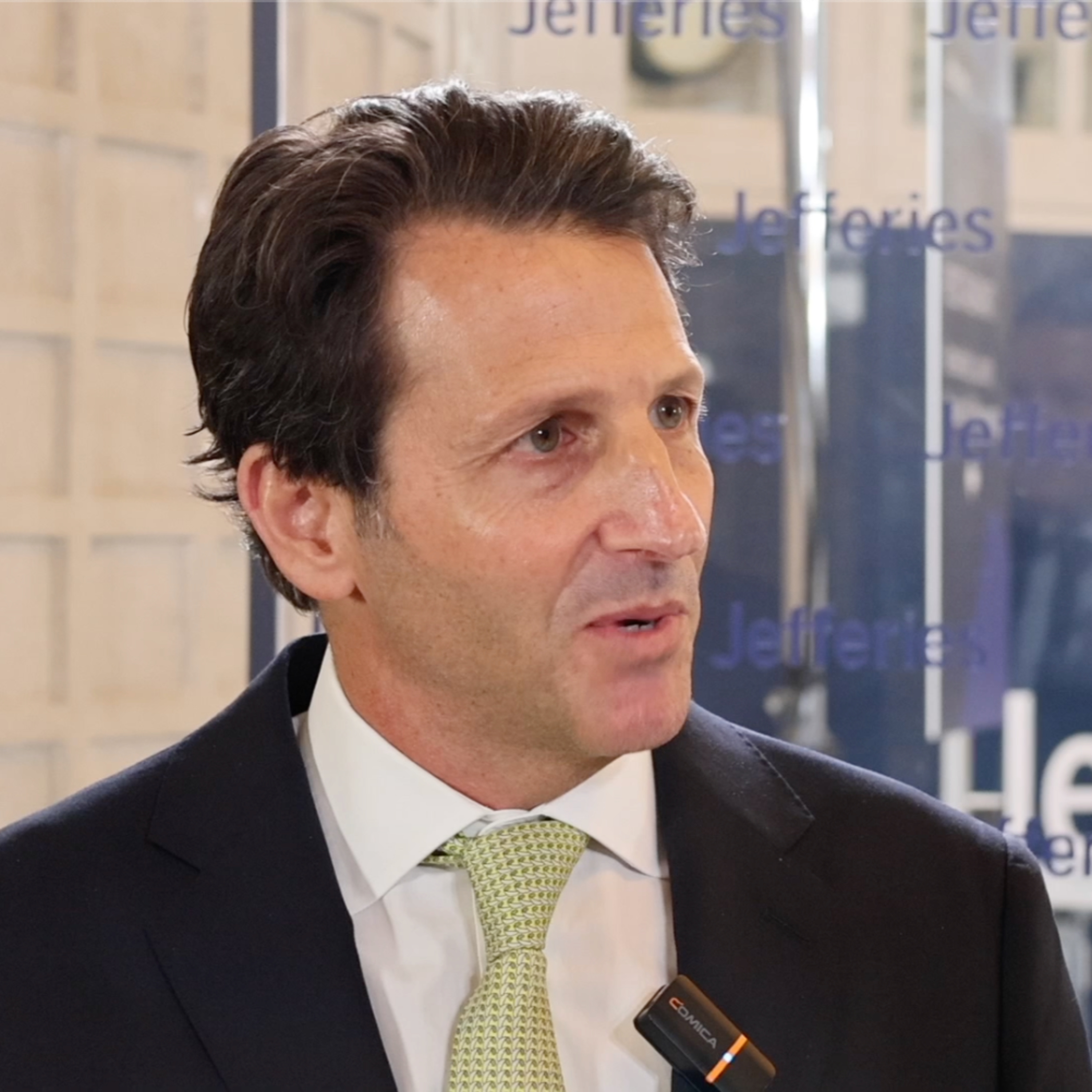
Thomas Mueller-Borja's typical day highlights the intense global nature of his role, juggling investment committees across continents from a hotel room before meeting local clients. This demonstrates the extreme demands and time-zone management required in senior global finance.

Related Insights
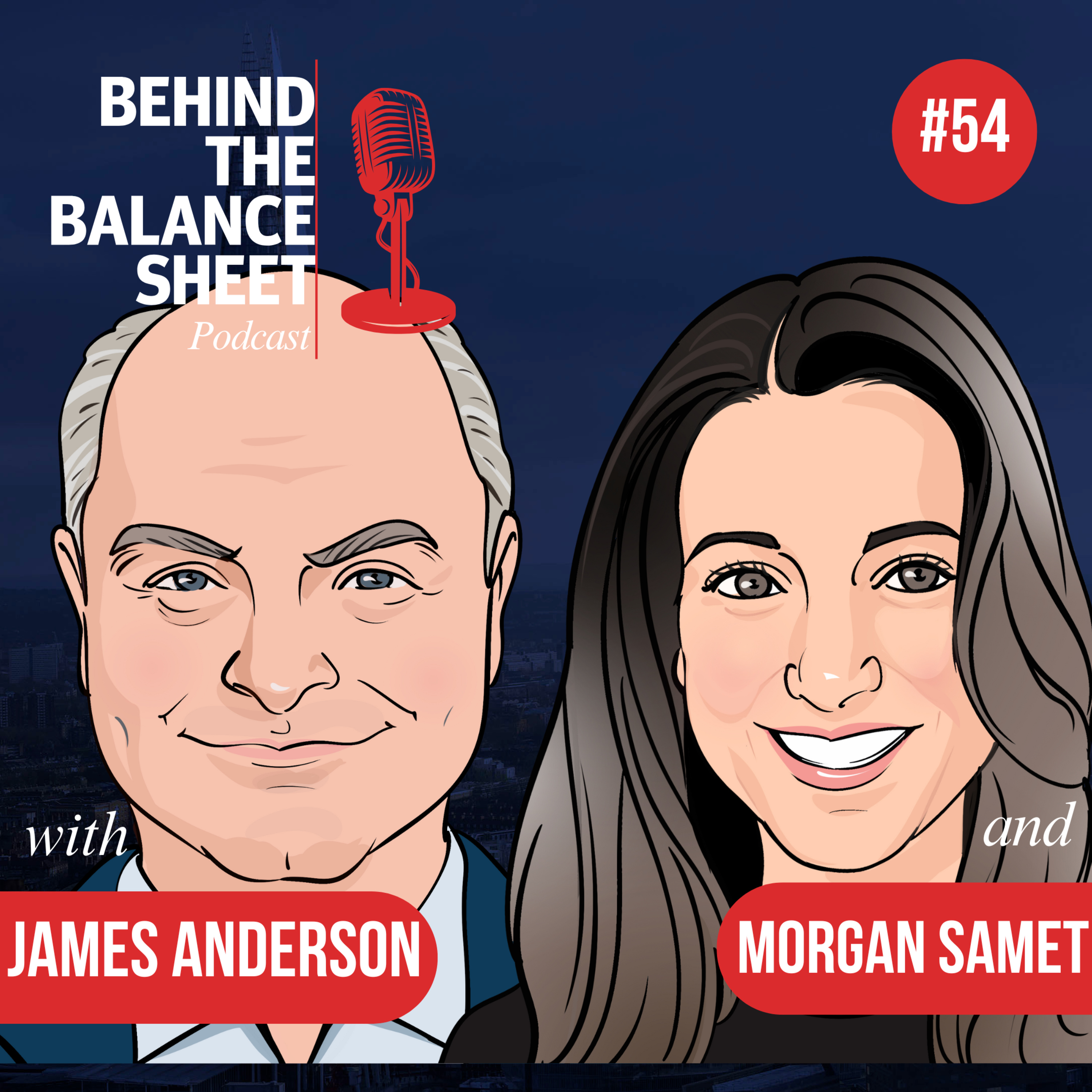
Legendary investor James Anderson views a globally distributed team with inherent communication friction as a benefit. This "grit in the system" prevents the team from getting sucked into reacting to daily market noise and helps them maintain focus on long-term, power-law returns.
Despite digital tools, Thomas Mueller-Borja travels constantly for in-person meetings. He believes physical presence is crucial for building the deep relationships and trust—the "energy flow"—necessary for long-term partnerships with institutional investors in private markets.
Thomas Mueller-Borja measures success by consistent improvement and purpose-driven drive. The people who rise rapidly are not just smart, but are self-starters with "hustle" who can self-regulate their emotions and work collaboratively. This blend of IQ and temperament is the "special sauce."
Resident structures its marketing team across time zones from California to Tel Aviv, creating a powerful operational advantage. As one team's day ends, they pass the "baton" to the next, allowing for continuous monitoring and optimization, especially during critical 24/7 sales periods.

Unlike traders in Asia who must stay up through the night, investors based in New Zealand can trade the U.S. market during their regular morning and midday. This significant lifestyle advantage allows them to remain active in North American markets without compromising sleep or a normal daily schedule.

BlackRock's Investment Institute, which steers its $10 trillion in assets, is chaired by Tom Donilon, Barack Obama's former National Security Advisor. This creates a powerful nexus between US foreign policy intelligence and global financial markets, influencing investments based on geopolitical strategy.

When pitching remotely to large groups in China, do not be alarmed by sleeping participants. They may be on their seventh pitch of the day, and their relaxed state could counter-intuitively be interpreted as a good sign.

During a crisis, a CEO's job is twofold. First, ensure the best people are activated and fully supported. Second, focus on high-leverage tasks only the CEO can perform, like public communication or raising emergency capital overnight.

When a CEO consistently emails on nights and weekends, it's a clear signal of a high-intensity work culture with low work-life balance. For candidates, this isn't just about the CEO's schedule; it's a cultural red flag or green flag depending on their own work preferences and expectations.

The Jefferies Global Healthcare Conference in London is particularly productive because its schedule precedes the US market open. This timing allows C-suite executives and investors to engage in focused, strategic conversations without the constant distraction of breaking news, press releases, and market fluctuations that occur during US trading hours.