Get your free personalized podcast brief
We scan new podcasts and send you the top 5 insights daily.
When Good American sold $1M on day one, investors called it a failure for underestimating the opportunity. Emma Grede reframes this: it's better to sell out and create scarcity than to sit on unsold inventory. The launch successfully tested the market, and the key was to restock before the initial customer excitement faded.

Related Insights
Creating urgency with limited product drops erodes trust if the scarcity isn't real. To maintain this marketing lever for the long term, brands must be willing to actually stock out and let customers miss out, which reinforces the hype for future launches.

Jaguar's goal is not to meet all initial demand. A situation where demand exceeds supply, creating wait times, is considered a "nice problem." This strategy of managed scarcity is crucial in the luxury auto market to avoid oversupply, which would destroy residual values and dilute the brand's exclusivity.

After their launch video went viral and they immediately sold out of razors, Dollar Shave Club kept sales open. They transparently informed new customers of a shipping delay but allowed them to continue placing orders. This captured massive demand that would have otherwise been lost.

While generating massive demand is a goal, it creates significant operational challenges. Actively Black's initial success outstripped its supply chain, leaving revenue on the table and highlighting that fast growth can be as dangerous as no growth if operations cannot keep pace.

While pausing sales for 6 months to rebuild, Legora framed the delay as a consequence of overwhelming demand. They put new, signed customers into a "queue," creating scarcity and social proof that inadvertently made the product even more desirable by the time it was ready.

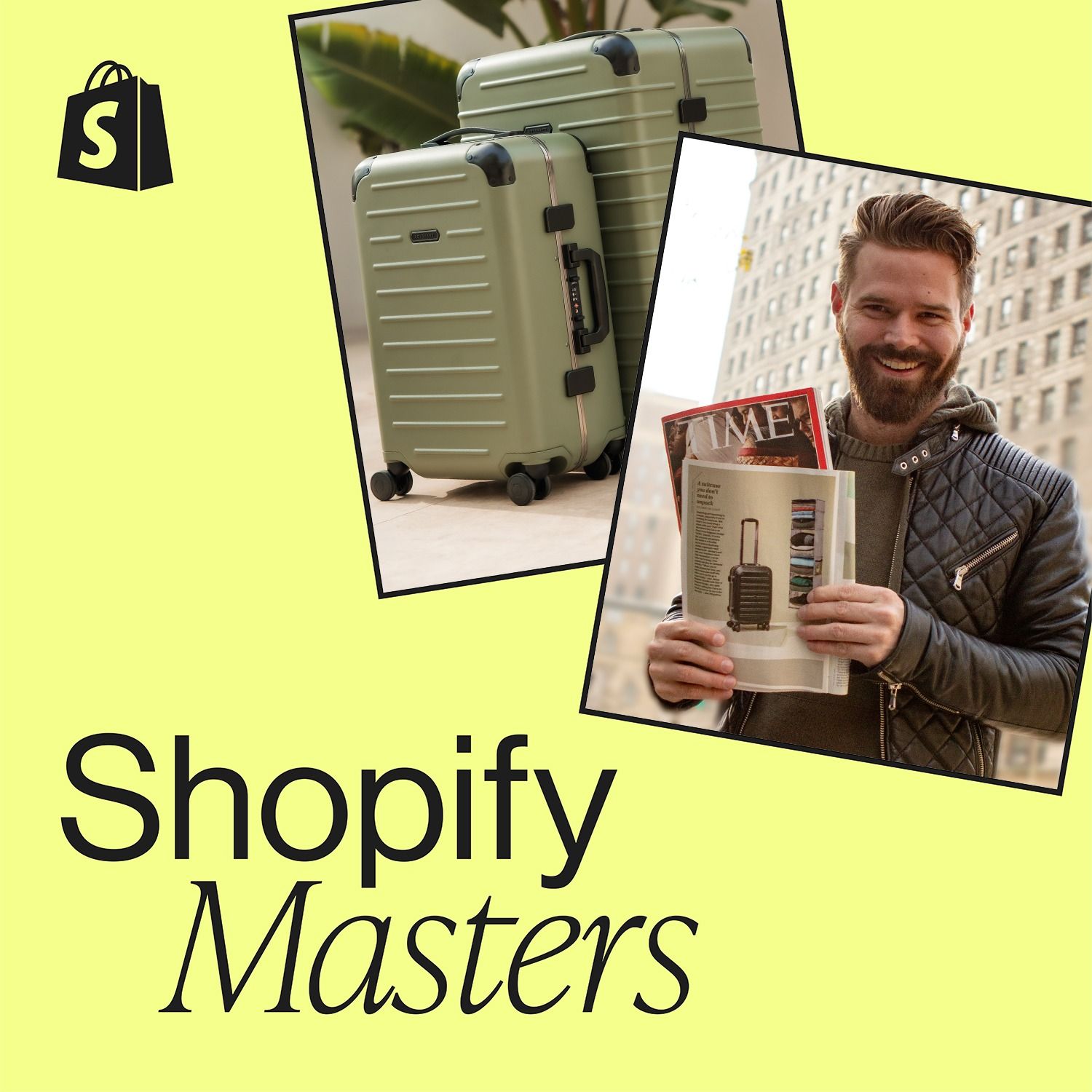
After a costly mistake left him with thousands of extra units, Solgaard's founder learned a key inventory lesson. He advises founders to avoid overly optimistic forecasting and go lean on inventory. Being slightly back-ordered is a better financial position than being overstocked with capital tied up in unsold goods.
Lindsay Carter's most impactful early decision was placing a second purchase order before knowing if the first would succeed. This high-risk move ensured that once the initial inventory sold out, new product was arriving to keep the momentum going. In a hype-driven market, waiting for sales data can mean losing customer attention.

The long-standing strategy of seeing 50% of launch sales on the final 'cart close' day is dead. Entrepreneur Amy Porterfield observed that for her multi-million dollar launches, buyers are making decisions faster. This shifts the critical sales window to the beginning of a promotion, not the end.

When investors were upset about her sold-out launch, Emma Grede refused to get bogged down by their emotional reaction. She recognized their anger was their problem to manage. Her job was not to please the board but to please the customers by solving the actual issue: getting inventory back in stock as quickly as possible.
A powerful marketing gimmick involves launching a very small product batch to guarantee it sells out quickly. Brands then leverage this "sold out" status in press coverage to create a perception of high demand and build hype for subsequent, larger product releases.