Get your free personalized podcast brief
We scan new podcasts and send you the top 5 insights daily.
The initial euphoria around AI is giving way to skepticism. A recent MIT study shows 95% of CFOs aren't seeing expected returns, and the business world is experiencing a collective 'eye roll' at the hype. This suggests the market may be entering a period of disillusionment.

Related Insights
Echoing economist Robert Solow's 1987 observation about computers, thousands of CEOs now admit AI has no measurable productivity impact. This suggests history is repeating, where major technological shifts have a long, multi-year lag before their economic benefits are truly realized and measured.

After years of inflated promises, the market is moving past the initial AI hype cycle. Leaders realize that simply attaching "AI" to a company name is not a strategy. This shift leads to a more realistic understanding of where AI provides practical value, which will stabilize hiring and investment.
A significant disconnect is emerging between massive corporate spending on AI and tangible returns. With reports that only 1 in 20 CFOs can prove positive ROI and Uber burning its AI budget, the market is poised for a pullback as executives demand accountability.
The massive $700B capital injection into AI demands a return. The next few years will shift focus from hype to demonstrable results. Companies that can't show a quick, real, and efficient ROI will face a reckoning, even if they have grand aspirations.

Despite massive enterprise spending on AI that fuels hypergrowth for companies like Anthropic, non-tech companies find it difficult to realize tangible value. This creates a conflict where CFOs question the spend while CIOs warn of disruption if they pause.
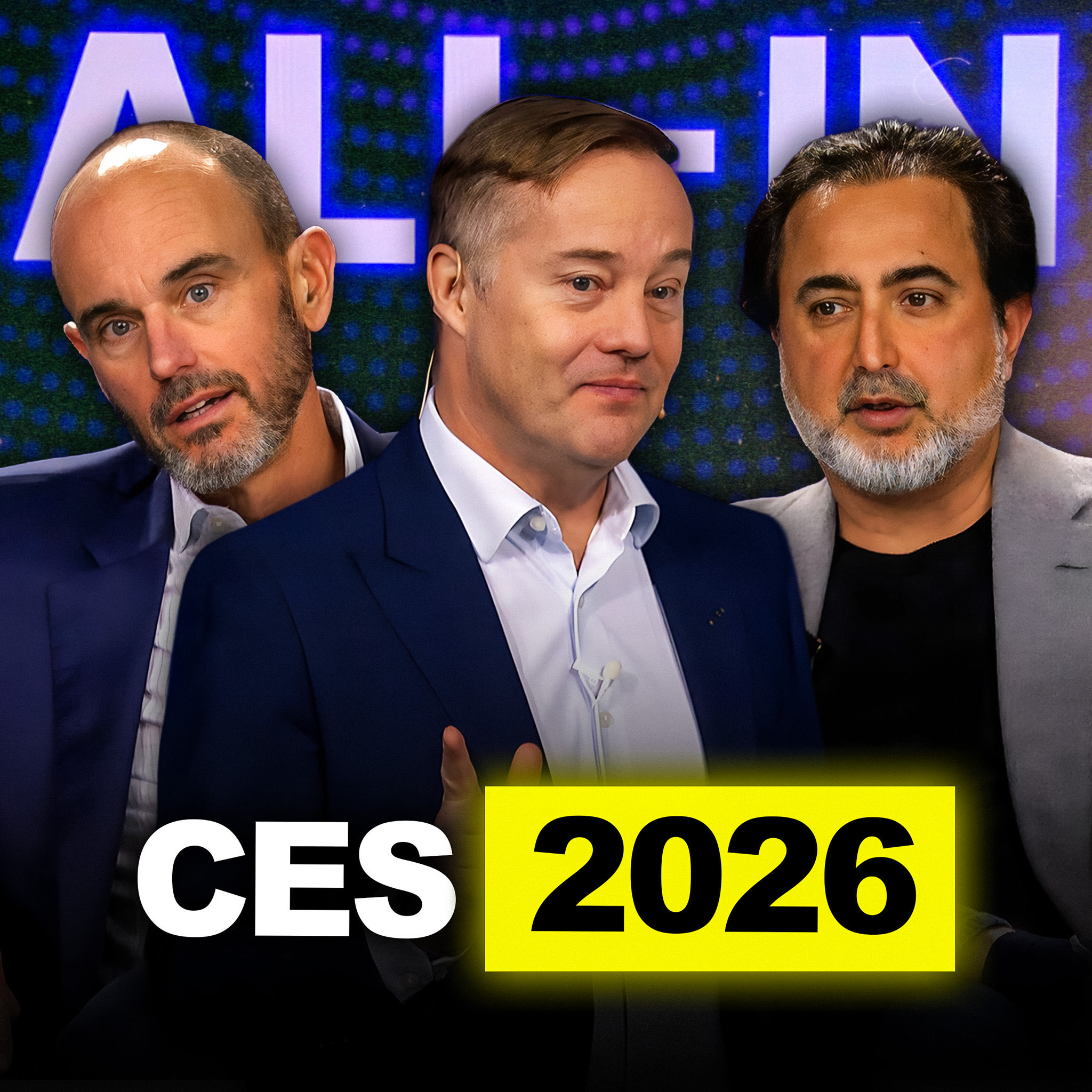
The current era of broad enterprise AI experimentation will end. The CEO foresees 2026 as a "year of rationalization," where CFO pressure will force companies to consolidate AI tools and cut vendors that fail to demonstrate tangible productivity gains and clear return on investment.

Despite the hype, firms like Uber and Microsoft are scaling back AI use because operational costs are proving higher than the human labor they were intended to replace. The expected ROI isn't materializing for many, leading to what feels like a 1999-style tech bubble where companies are reconsidering their massive AI investments.

The current AI hype is fueled by massive corporate spending on LLMs and chips. The entire bubble is at risk of unwinding when a critical mass of these companies reports that they are not achieving the promised ROI, causing a rapid pullback in investment.

The CTO of Uber, after exhausting the company's AI budget early in the year, publicly stated he's not seeing a return on the investment. This highlights a growing trend among enterprises to scrutinize the high costs of AI against unclear productivity gains and question the ROI.

Despite widespread AI adoption, an IBM study of 1,000 businesses reveals a massive execution gap. The vast majority are not seeing tangible returns, with 73% reporting no functional benefits and 77% reporting no financial benefits from their investment.
