Get your free personalized podcast brief
We scan new podcasts and send you the top 5 insights daily.
Despite massive enterprise spending on AI that fuels hypergrowth for companies like Anthropic, non-tech companies find it difficult to realize tangible value. This creates a conflict where CFOs question the spend while CIOs warn of disruption if they pause.
Related Insights
Companies feel immense pressure to integrate AI to stay competitive, leading to massive spending. However, this rush means they lack the infrastructure to measure ROI, creating a paradox of anxious investment without clear proof of value.

AI requires significant upfront investment with uncertain returns, creating an "investment paradox" for CFOs. Traditional ROI models are insufficient. A new financial framework is needed that measures not just cost savings but also revenue acceleration, risk mitigation, and the strategic option value of competitive positioning.

The massive $700B capital injection into AI demands a return. The next few years will shift focus from hype to demonstrable results. Companies that can't show a quick, real, and efficient ROI will face a reckoning, even if they have grand aspirations.

Historically, labor costs dwarfed software spending. As AI automates tasks, software budgets will balloon, turning into a primary corporate expense. This forces CFOs to scrutinize software ROI with the same rigor they once applied only to their workforce.
Companies struggle to measure AI's return on investment because its value often materializes as individual productivity gains for employees. These personal efficiencies, like finishing work earlier, don't show up on corporate dashboards, creating a mismatch between perceived value and actual impact.

The current era of broad enterprise AI experimentation will end. The CEO foresees 2026 as a "year of rationalization," where CFO pressure will force companies to consolidate AI tools and cut vendors that fail to demonstrate tangible productivity gains and clear return on investment.

The current AI hype is fueled by massive corporate spending on LLMs and chips. The entire bubble is at risk of unwinding when a critical mass of these companies reports that they are not achieving the promised ROI, causing a rapid pullback in investment.

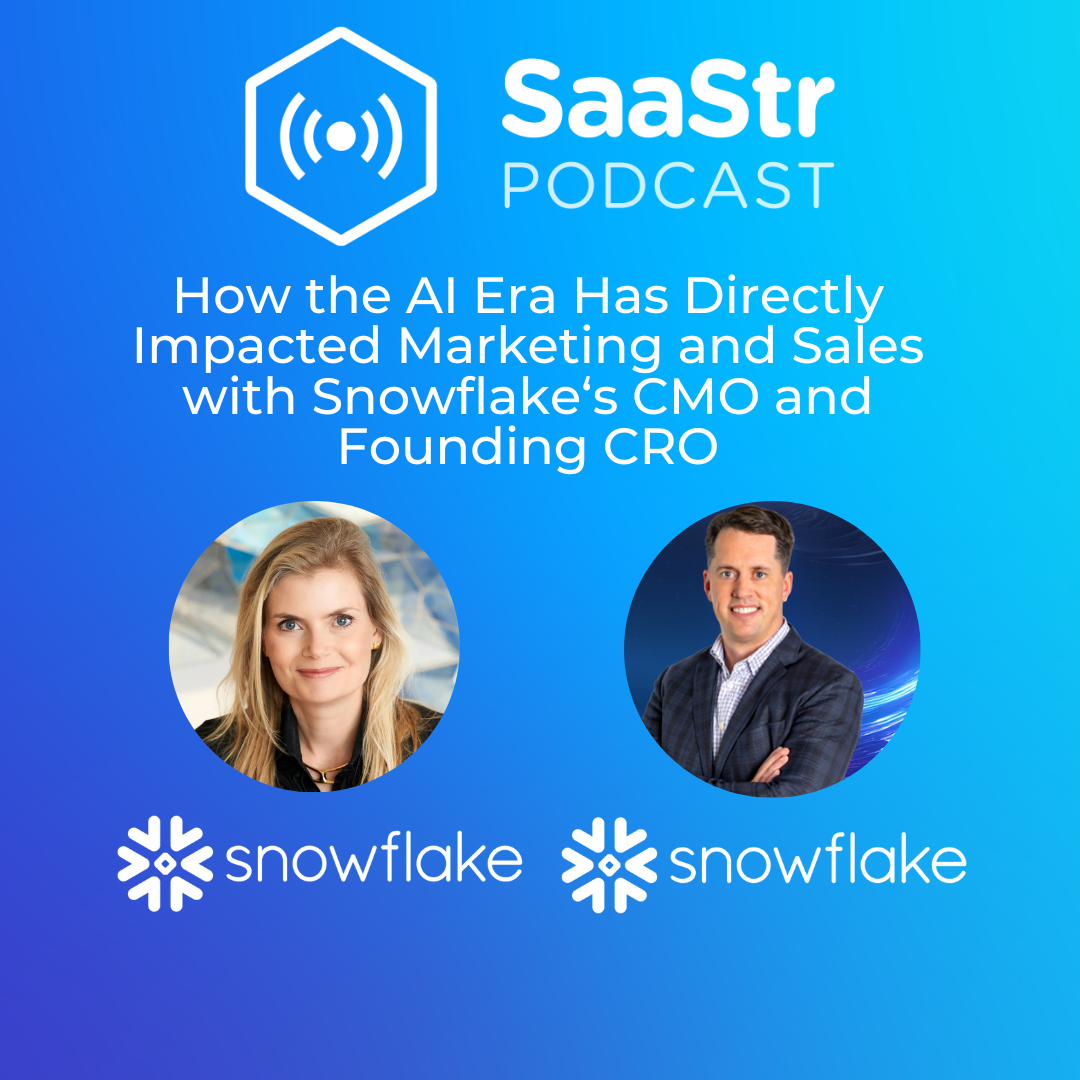
Snowflake's former CRO offers a pragmatic view of AI, calling it a 'task automator.' He stresses that for enterprise adoption, AI tools can't just be 'cool.' They must deliver a clear return on investment by either generating revenue or creating significant cost savings, like the 418 hours per week saved by their support team.
Despite widespread AI adoption, an IBM study of 1,000 businesses reveals a massive execution gap. The vast majority are not seeing tangible returns, with 73% reporting no functional benefits and 77% reporting no financial benefits from their investment.

While spending on AI infrastructure has exceeded expectations, the development and adoption of enterprise-level AI applications have significantly lagged. Progress is visible, but it's far behind where analysts predicted it would be, creating a disconnect between the foundational layer and end-user value.
