Get your free personalized podcast brief
We scan new podcasts and send you the top 5 insights daily.
Instead of viewing its remote South Australian location as a disadvantage, Streaky Bay Distillers is encouraged to market it as a key differentiator. Like remote Scottish single malts, the story of the place—the unique ingredients and rugged coastline—becomes a powerful branding tool that adds mystique and value.

Related Insights
Choosing Vermont for the "Drive" event, initially a decision of convenience, unintentionally became a core part of its brand. The unique location became part of the product itself, attracting attendees looking for an experience beyond a typical conference in a major city, making the setting a key selling point.

While alcohol sales are declining, the NBA's passion for wine's complexity offers a lesson. Instead of simplifying products to chase mass-market trends like ready-to-drink cocktails, niche industries can thrive by leaning into their core differentiators—even if those differentiators are complex and less approachable.

By launching a beer so strong (30% ABV) that it is illegal in 15 states, Sam Adams creates an aura of exclusivity and rebellion. This "banned" status generates significant earned media and attracts connoisseurs, turning a product limitation into a powerful marketing tool that reinforces the brand's craft credentials.
A perceived product flaw can be a primary value proposition for a different type of customer. For example, a diffuse global audience, useless to local venues, becomes a powerful asset for organizations aiming for international reach, unlocking a new market.

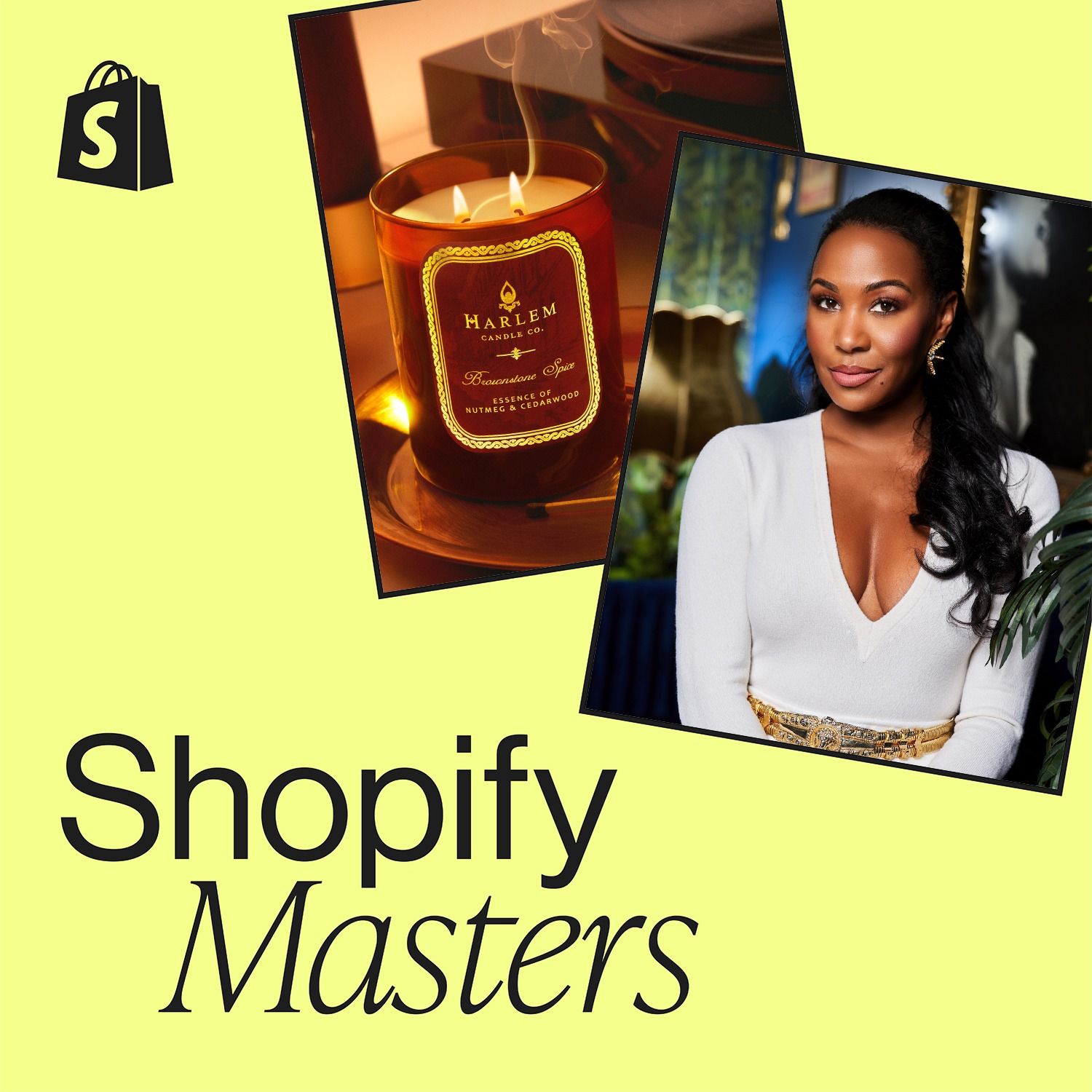
To stand out in the saturated candle market, founder Terry Johnson drew from her personal passion for the Harlem Renaissance, inspired by her time studying in Paris. This authentic connection to a specific cultural history gave the brand a unique “soul” that resonated deeply with customers.
The definition of "culture" is often limited to what's popular or "cool" in mainstream media. However, enormous, passionate cultures exist in niche verticals like fishing or hunting. Tapping into these overlooked communities can be a powerful branding strategy.

Persisting with a difficult, authentic, and more expensive production process, like using fresh ingredients instead of flavorings, is not a liability. It is the very thing that builds a long-term competitive advantage and a defensible brand story that copycats cannot easily replicate.
A successful brand 'wedge' isn't a mission statement like 'better ingredients.' It’s a specific, tangible reason—a unique ingredient, a novel form factor—that makes a customer choose you over 47 other options. If you can't state it in a single sentence, you don't have one.

Naming your business after its location (e.g., "Bend Fencing") can create a perception of longevity and deep local roots, even for a brand-new company. This simple trick builds immediate trust with customers who assume you're an established local player, bypassing early-stage credibility hurdles.
Faced with 650+ competitors, Streaky Bay Distillers was advised by Steve Ells to focus intensely on their unique, foraged-botanical gin. This mirrors Chipotle's strategy of doing a few things exceptionally well rather than offering broad variety. A cohesive, focused brand resonates more than a diluted one.