Get your free personalized podcast brief
We scan new podcasts and send you the top 5 insights daily.
Consumers form inflation expectations based heavily on external social circles rather than just local purchases. Users connected to friends in zip codes with high fuel costs report elevated inflation expectations regardless of their own localized costs.

Related Insights
Economists focus on the slowing rate of inflation, but consumers are anchored to pre-COVID price levels. The fact that goods still cost significantly more is the primary driver of negative sentiment. This "anchoring effect" means that even with decelerating inflation, consumer frustration persists because their purchasing power feels permanently diminished.
Unlike other expenses, consumers feel gas price fluctuations intensely because the act of filling up provides a direct, visual, and frequent feedback loop of money leaving their account in real-time. This tangible experience makes it a powerful psychological indicator of inflation, regardless of its actual budget share.
Historically, financial comparison was contained within socioeconomically similar neighborhoods. Social media removes these geographic and social barriers, constantly exposing individuals to global, hyper-affluent lifestyles. This distorts the perception of 'normal,' making luxury seem common and fueling widespread feelings of financial inadequacy.
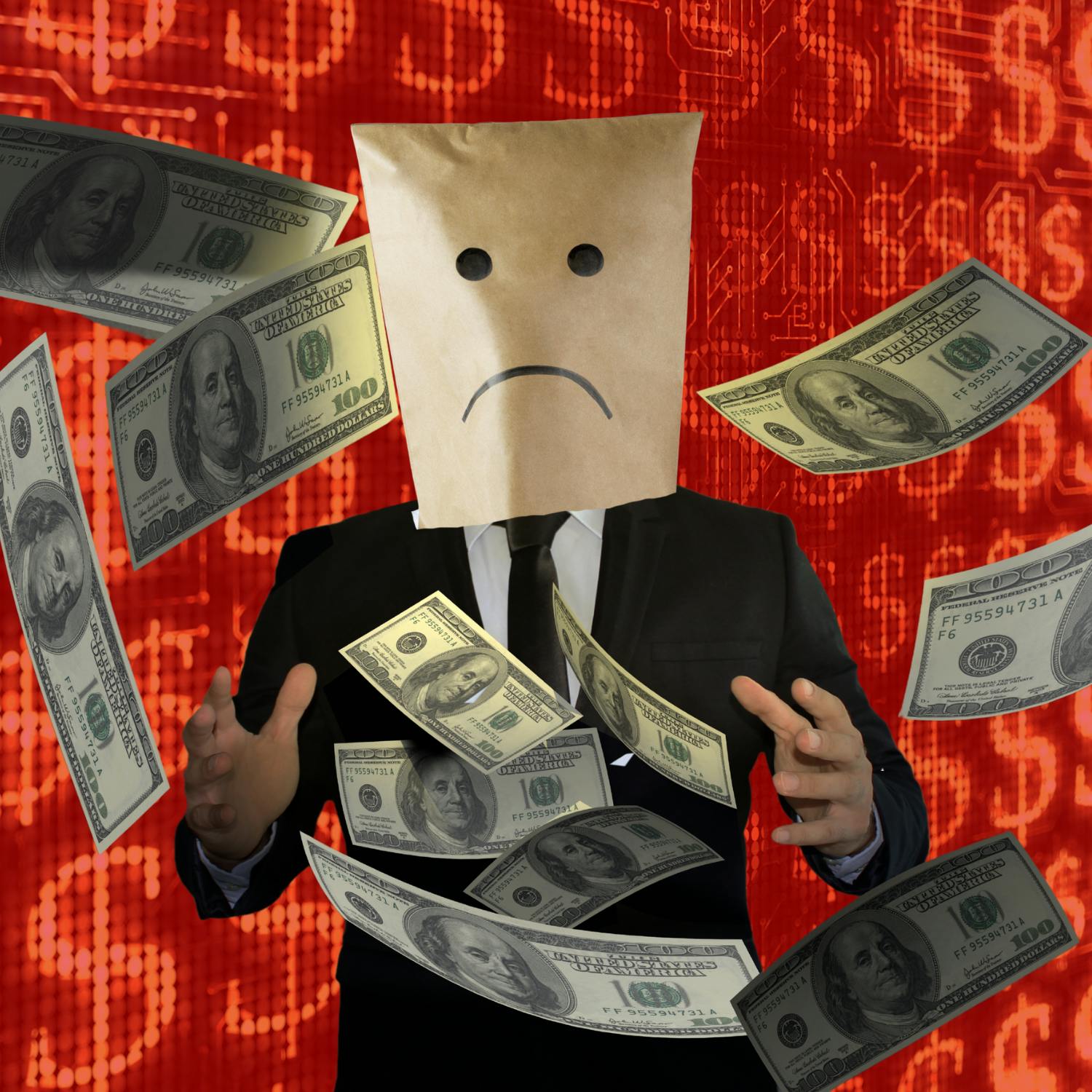
The public's frustration with affordability stems from a psychological disconnect. While wages have risen to match higher prices, people perceive the inflation surge as an unfair loss, failing to connect it to their own income gains. This creates a political challenge where economic data and public sentiment diverge.
Official inflation metrics (rate of change) are meaningless to the public. People feel the pain of absolute price levels versus their stagnant wages, creating a disconnect that fuels widespread economic apathy and anger, regardless of what government data says.

A University of Michigan survey split by the onset of an oil shock showed lower-income groups had the largest uptick in inflation and unemployment expectations. This cohort's heightened sensitivity acts as a leading indicator, signaling that the most financially vulnerable consumers are the first to anticipate and react to economic pain.

History suggests that if inflation remains high for too long, it can alter public psychology. Businesses may become less hesitant to raise prices, and consumers may grow more accepting of them. This shift can create a self-perpetuating feedback loop, or 'snowball' effect, making inflation much harder for the central bank to control.

Official inflation metrics may be low, but public perception remains negative because wages haven't kept pace with the *cumulative* price increases since the pandemic. Consumers feel a "permanent price increase" on essential goods like groceries, making them feel poorer even if the rate of new inflation has slowed.
The administration's reactive approach to affordability targets specific, highly visible price increases (e.g., eggs, cars) rather than broad inflation data. This is because consumer sentiment is heavily influenced by the sticker shock of everyday items, which takes a long time to fade, even after inflation rates cool.
A minor, announced gas price hike in China triggered massive panic buying, fueled by social media and fears of war-related shortages. This demonstrates a classic feedback loop where the collective fear of a problem can manifest that very problem, turning a manageable price adjustment into a self-inflicted supply crisis.
